📋 Basic Specifications
Dosage
50mcl, 100mcl, 140mcl
Application
Medical / Pharmaceuticals
Output
600,000 PCS Per Day
⭐ Key Advantages
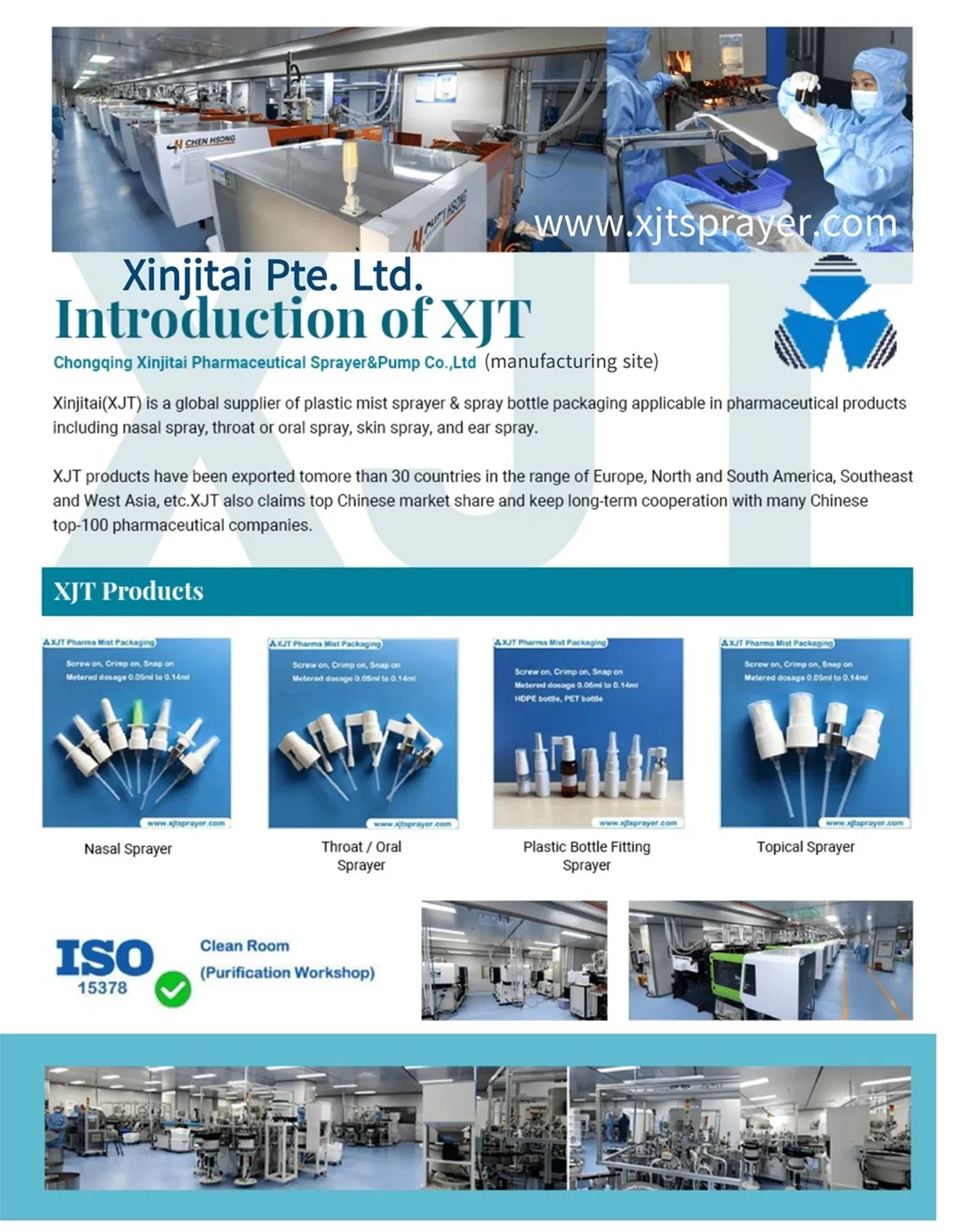
Manufacturing Excellence
- 20 years in pharmaceutical sprayer production
- Purification workshop of 10,000 level standard
- GMP (ISO15378) Certified facilities
- Annual production exceeding 100 million units
Product Quality
- FDA compliant materials and standards
- 100% Leakage proof design
- Strictly No POM, No Rubber contained
- Stable quality for pharmaceutical applications
📊 Product Details
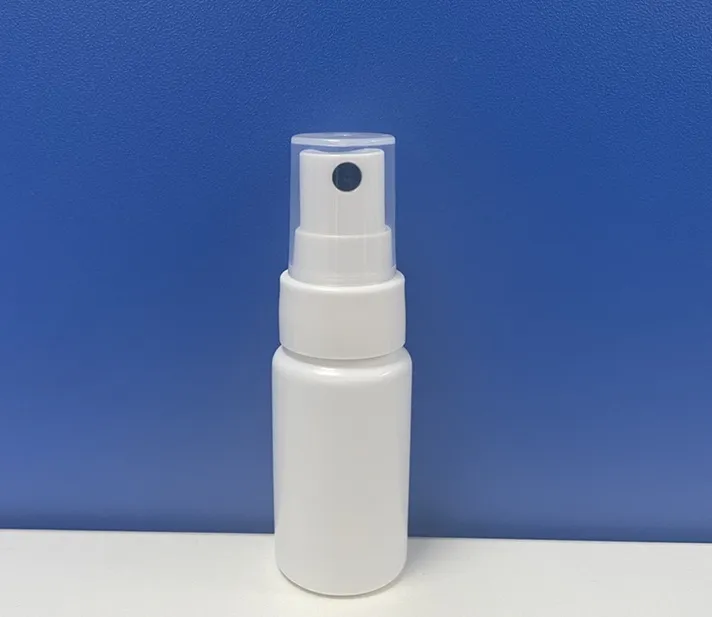
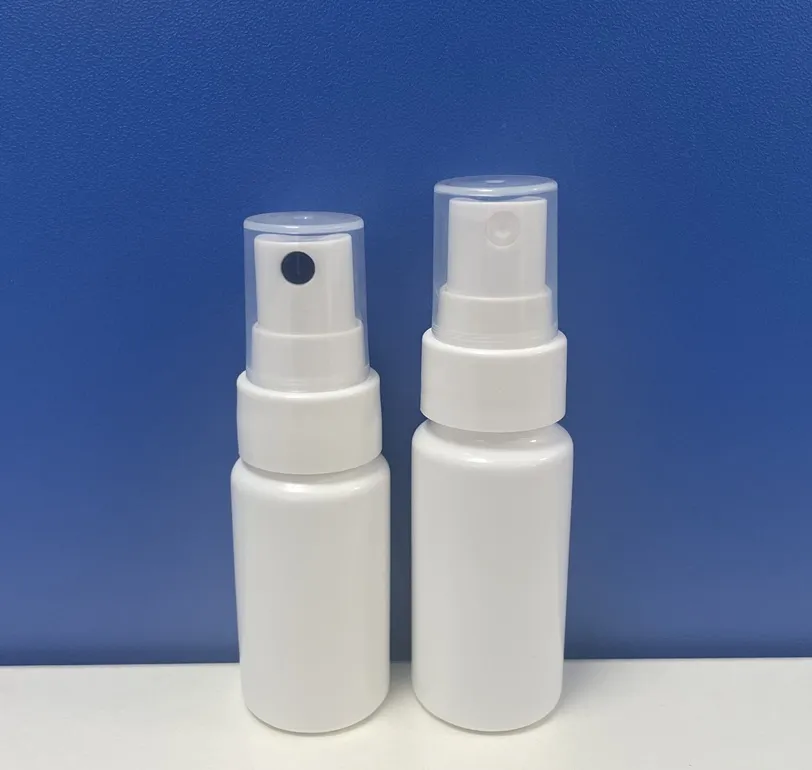
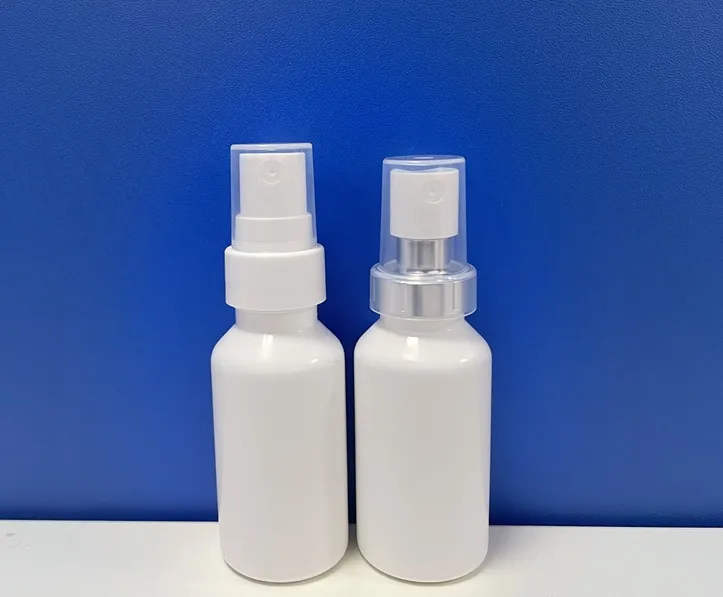
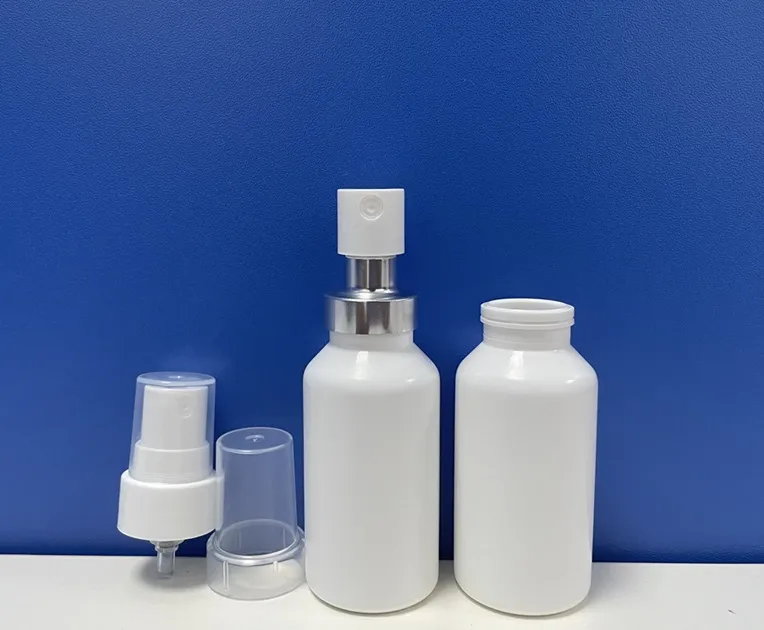
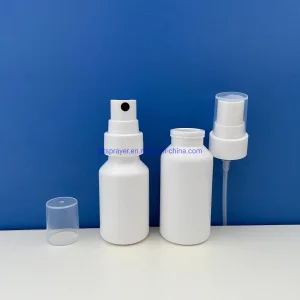
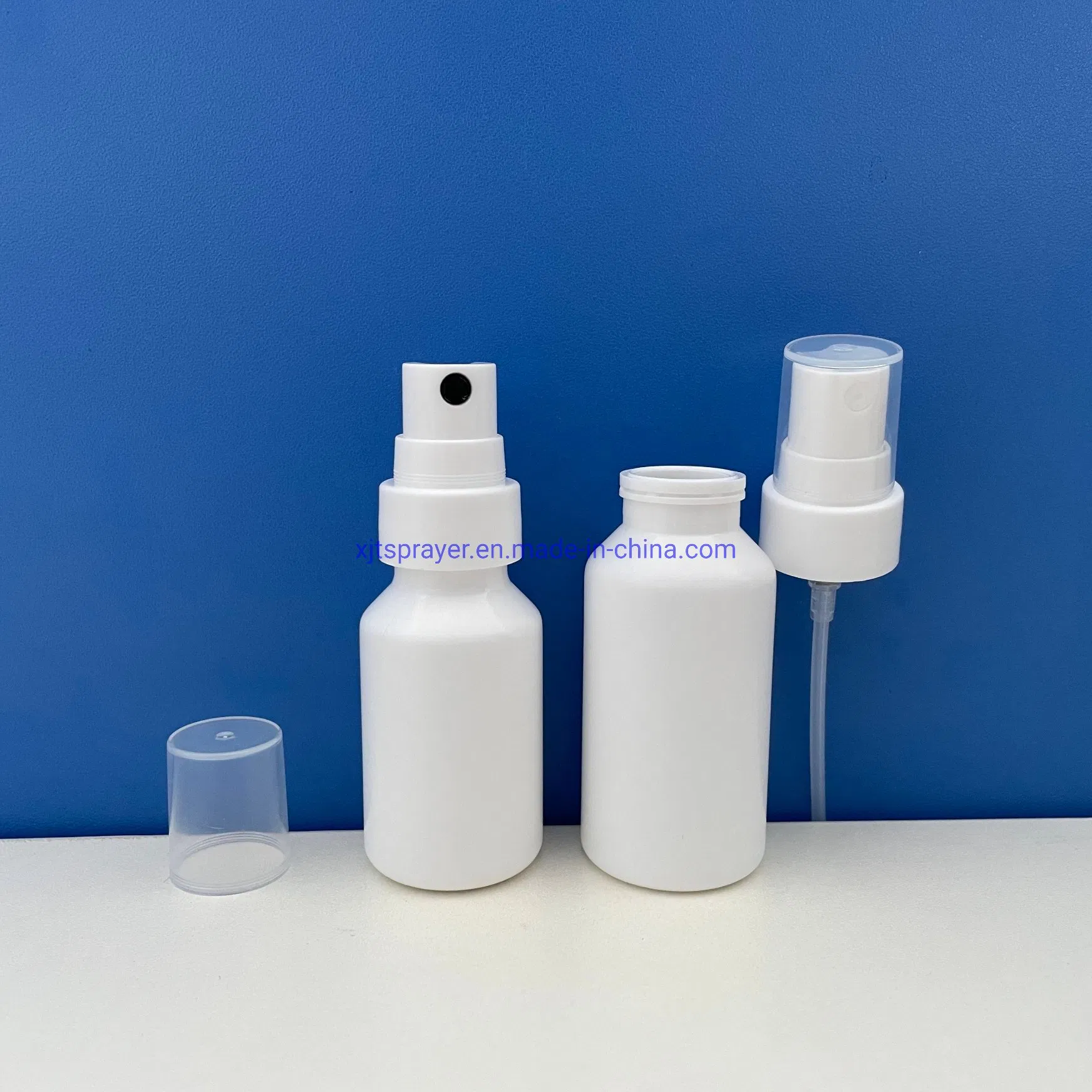
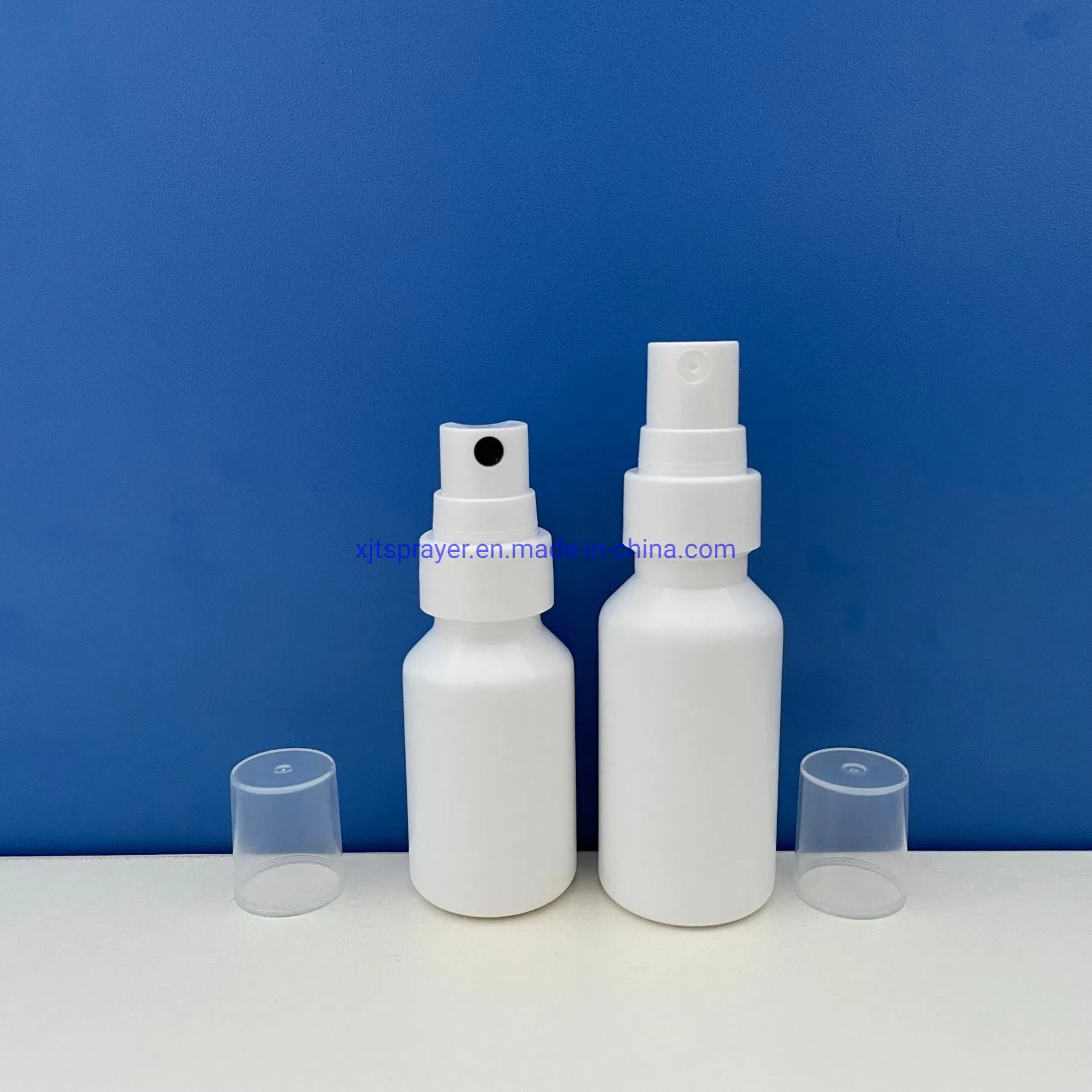
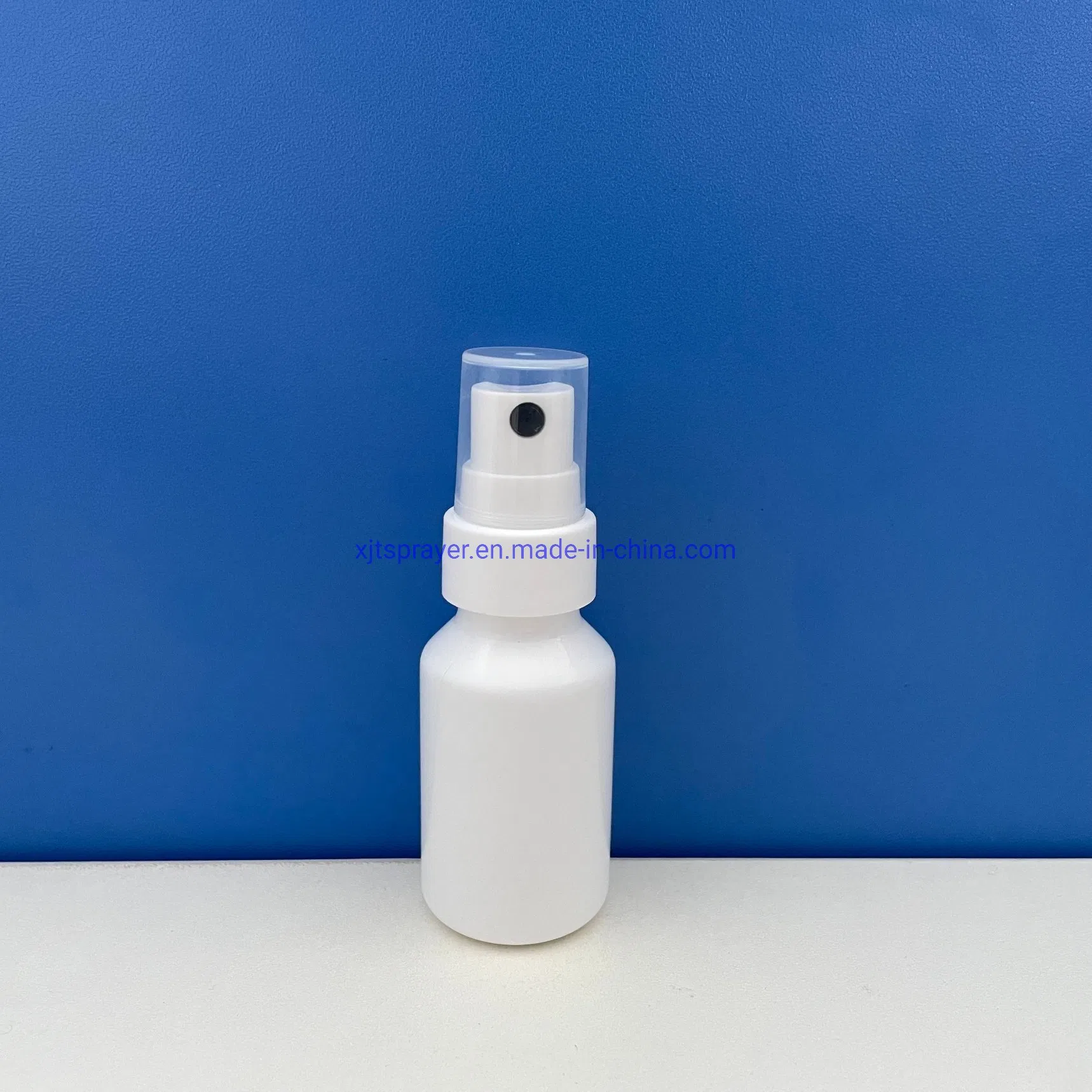
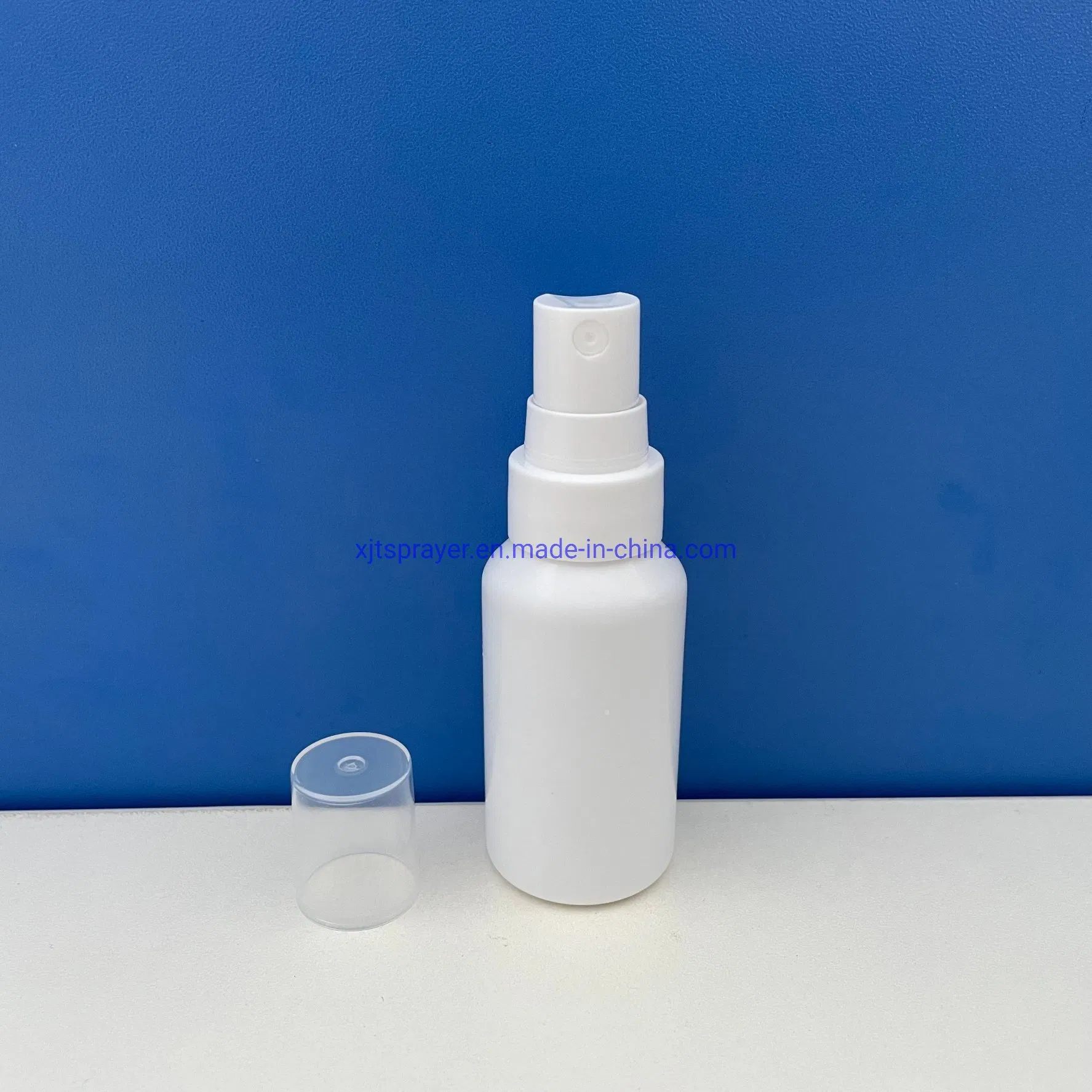
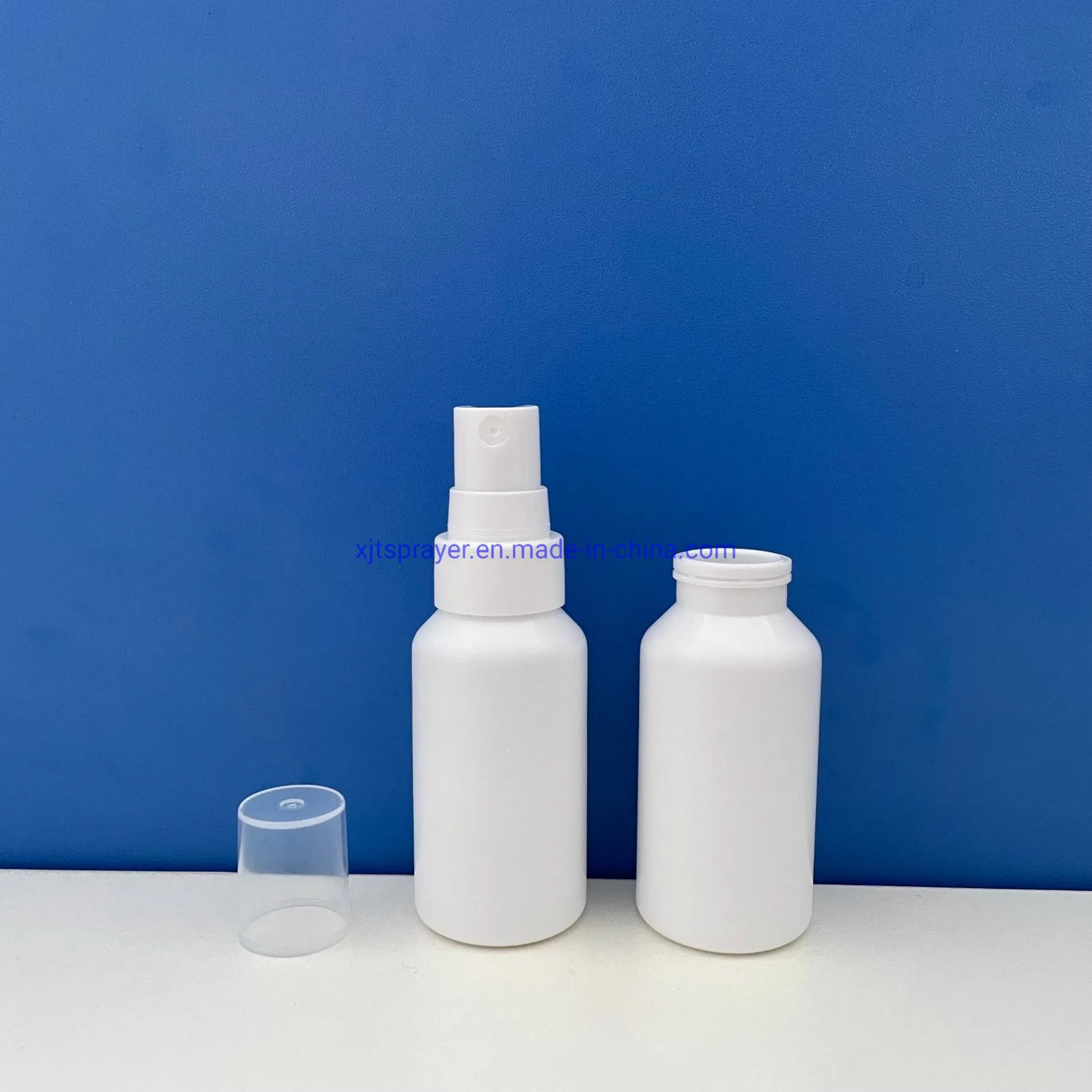
| Name | Topical Spray Bottle, Fine Mist Spray Bottle |
| Material | Plastic PET / HDPE, Food Safety |
| Size | 30ml, Screw on Closure 20-410 |
| Tech Spec | Metered dosage: 50mcl, 100mcl, 140mcl |
| Remark | Pharmaceutical Grade Spray System |
📸 Factory & Product Gallery
❓ Frequently Asked Questions
What makes your purification workshop different?
Our facility operates at a 10,000 level purification standard, which is significantly cleaner than the 100,000 level standard used by most general manufacturers. This ensures the highest safety for pharmaceutical packaging.
Why do you exclude POM and Rubber from your sprayers?
POM and Rubber can release harmful compounds into certain solutions. We ensure safety by using only medical-grade PP, PE, and stainless steel, achieving leakage proofing through high-precision mold engineering.
What types of bottle fittings do you offer?
We provide three main types: Screw on (refillable or tamper-evident), Snap on (non-reopened), and Crimp on (aluminum closure for permanent sealing).
What is the standard dosage for your pharmaceutical sprayers?
Our dosages range from 0.05ml/t to 0.14ml/t, with 0.18ml/t available for topical sprayers. We maintain a strict ±10% error margin to meet pharmaceutical standards.
How are the products packed for international shipping?
Products are double-bagged in plastic for hygiene and then placed in heavy-duty cardboard cartons. Plastic pallets are used when necessary for secure transit.
What is the advantage of your non-ball pump structure?
The non-ball structure uses a contact valve that improves atomization and offers better control. It is suitable for water-like liquids as well as thicker oils or medications.
 Bluesky Bottle