Bluesky Bottle
Bluesky Bottle
Bluesky Bottle
Precision-engineered containers for Cosmetic, Food, and Industrial applications.
Why selecting the right manufacturer determines your brand’s sustainability and shelf-appeal.
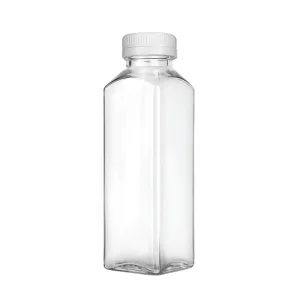
In the evolving landscape of global retail, transparent bottle packaging has transcended its basic utility. It now serves as a critical medium for "Product Transparency"—allowing consumers to verify purity and quality visually. For procurement directors and brand owners, navigating the Top 10 Transparent Bottle Manufacturers requires more than a price check; it demands an audit of material science, supply chain resilience, and compliance with the 2030 circular economy goals.
From PET and Tritan to advanced Bio-plastics, the manufacturers leading the industry today are those integrating AI-driven quality control and decarbonized manufacturing processes. This report analyzes the benchmarks of excellence in the plastic and glass container sector.
The transition from virgin PET to 100% PCR (Post-Consumer Recycled) materials is no longer optional. Leading suppliers are now implementing "Chemical Recycling" to ensure clear bottles maintain glass-like clarity without the yellowing associated with traditional recycling.
Advanced coatings such as SiOx or oxygen scavengers are being integrated into transparent bottles to extend the shelf life of sensitive products like cold-pressed juices and medical reagents without compromising visual transparency.
The "Lights-out Factory" model in China is revolutionizing lead times. By using automated injection molding and real-time sensor monitoring, top-tier manufacturers achieve defect rates lower than 0.01%.
A Benchmark in Global Supply Chain Excellence and Innovation
400+
Expert Employees
20,000
Factory Area (M²)
11M
Monthly Capacity (pcs)
200+
Patent Certificates

Navigating the macro-economic and technical shifts in the global bottle industry.
Manufacturers are shifting toward Bio-PET and PEF (Polyethylene Furanoate), which offer 100% bio-based structures and superior gas barrier properties compared to traditional PET.
Integration of Digital Twins in factory management. This allows for predictive maintenance of molds, ensuring zero-downtime and consistent bottle wall thickness across millions of units.
The "Closed-loop" supply chain where manufacturers take back post-industrial waste from clients to re-process into new transparent packaging, drastically reducing the carbon footprint.
Mitigating risk in international procurement.
For the food and beverage sector, transparency isn't just visual—it's regulatory. Leading Chinese factories now provide full migration testing data to comply with FDA 21 CFR and EU No 10/2011 regulations.
By leveraging "China Industry 4.0" hubs like Guangzhou, buyers benefit from a mature ecosystem of raw material suppliers, mold makers, and logistics providers, ensuring stability even during global shipping fluctuations.
Top manufacturers are now offering localized warehousing and DDP (Delivered Duty Paid) shipping options to reduce the administrative burden on North American and European SMEs.
PET (Polyethylene Terephthalate) is the industry standard for lightweight, recyclable bottles, ideal for single-use or limited-reuse beverage/cosmetic applications. Tritan is a BPA-free copolyester known for extreme durability, heat resistance, and dishwasher safety, often used in premium reusable water bottles.
Leading suppliers use optical sorting and high-purity chemical recycling processes. They also apply slight blue-toners during the melt phase to counteract the natural yellowing of recycled resins, resulting in a "crystal clear" finish that meets aesthetic brand standards.
Under a China 4.0 infrastructure, 2D/3D designs take 3-5 days. Mold fabrication typically takes 25-35 days, followed by sample approval. Automated factories like Bluesky can then pivot to mass production of 1 million+ units within 15-20 days.
Modern PLA (Polylactic Acid) and PHA blends have improved significantly but may have lower heat resistance. However, for dry goods or short-shelf-life cold liquids, they offer a comparable consumer experience while being industrially compostable.
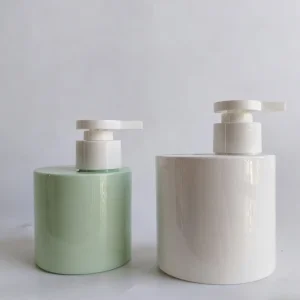
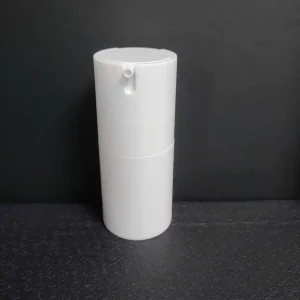
From chemical-resistant HDPE to luxury airless pump systems.