Bluesky Bottle
Bluesky Bottle
Bluesky Bottle
Explore the industry's benchmark designs engineered for high compatibility, leakproof operations, and customizable structural formats.
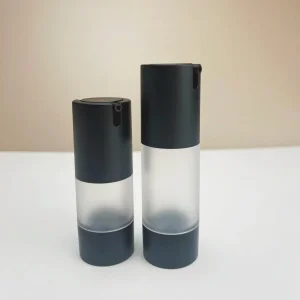
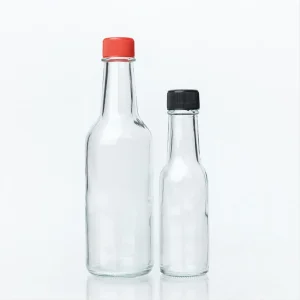
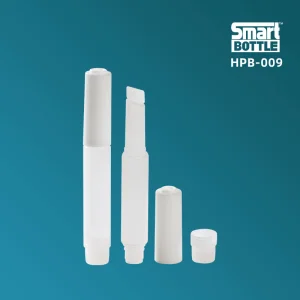
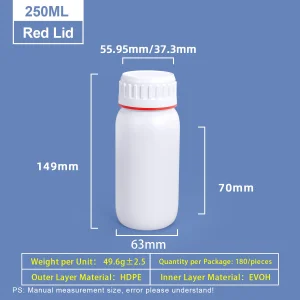
In the contemporary B2B supply chain ecosystem, selecting a top plastic packaging supplier is no longer merely a purchasing decision; it is a critical milestone of product integrity, regulatory alignment, and consumer satisfaction. The global packaging landscape has undergone a paradigm shift driven by legislative mandates, changing demographics, and chemical engineering innovations. Procurement directors must assess engineering metrics, material compatibility, and supply chain capacities to determine which manufacturer meets their strict standard operating procedures.
Modern packaging designs balance structural stability with environmental targets. Key trends shaping global manufacturing include:
Industrial procurement teams rely on a multi-stage evaluation checklist before onboarding a supply partner. Bypassing these criteria can lead to high defect rates, delivery delays, and regulatory penalties.
| Key Assessment Area | Underlying Metric | Target Standard / Benchmark |
|---|---|---|
| Material Safety & Certification | Compliance with FDA, LFGB, REACH, RoHS, and EU Food Contact guidelines. | 100% Certified Food Grade, BPA-free formulations. |
| Dimensional Tolerances | Precision of neck geometry, thread height, and wall thickness uniformity. | ±0.15mm standard deviation through CNC mold execution. |
| Environmental Certification | Verification of post-consumer resin sourcing and energy management. | GRS (Global Recycled Standard) and ISO 14001 certification. |
| Process Consistency | Statistical process controls applied at injection and blow molding phases. | CPK > 1.33 with inline visual inspections. |
A premier OEM/ODM manufacturing framework. Established in 2015, featuring a 20,000 square meter factory layout designed for high-precision, large-volume polymer output.

Guangzhou Bluesky Plastic Products Co., Ltd. represents modern plastic injection and blow molding engineering. With 3 advanced manufacturing sites and 40+ high-precision injection machines operating across multiple automated assembly lines, we guarantee consistent quality for both small runs and large orders.
Our R&D division translates concepts into commercial packaging solutions. We utilize 3D prototyping and CAD software to design cosmetic airless pump systems, chemical-resistant HDPE containers, and customized beverage bottles.
ISO 9001:2015 & GRS Certified Manufacturing SiteWe coordinate material sourcing, molding, clean-room assembly, and logistics to deliver a seamless OEM/ODM experience.

We offer negotiable MOQs to match your distribution plans. Note: We do not support retail or direct dropshipping. If you are interested in wholesale or custom orders, contact us for competitive volume pricing.

Share your concepts, and our team will provide 2D/3D technical drawings and physical samples. We also sign non-disclosure agreements (NDAs) to protect your intellectual property.

Our facility utilizes automated, dust-free production lines to reduce manual handling, shorten lead times, and optimize manufacturing costs.

Materials are verified upon receipt. During production, we conduct inspections every 2 hours alongside two separate quality verification stages, providing full QA reports for each batch.
Selecting the correct polymer is critical for ensuring chemical stability, structural strength, and shelf life. Below is an overview of the primary resins used in modern packaging:
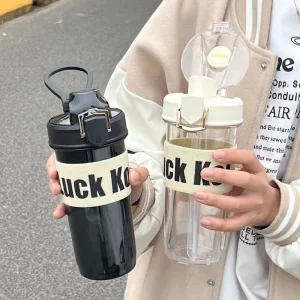
PET provides excellent clarity, tensile strength, and impact resistance. It is widely used for beverages, condiments, and cosmetic packaging. In addition to high clarity, PET serves as an effective barrier against carbon dioxide, water vapor, and oxygen. The integration of GRS-certified Recycled PET (rPET) helps brands meet sustainability targets without sacrificing design flexibility.
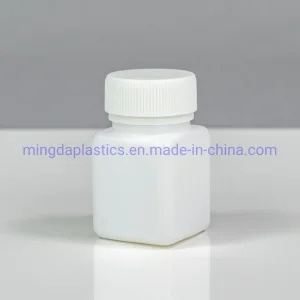
HDPE is known for its chemical resistance and durability. It stands up to acids, bases, and solvents, making it ideal for industrial adhesives, pharmaceutical containers, and heavy-duty personal care products. HDPE maintains its strength at low temperatures and is highly recyclable.
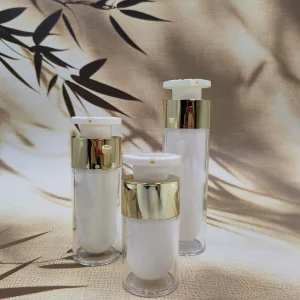
PP features a high melting point, making it suitable for hot-filling and sterilizable containers. It is commonly used for closures, caps, and food containers. AS (Acrylonitrile Styrene) provides high transparency, stiffness, and scratch resistance, making it a popular choice for double-walled cosmetic jars and premium airless pump bottles.
Developing custom packaging requires precision at every stage. Our engineering process follows a structured flow:
Navigating global regulatory landscapes requires a compliance-focused manufacturing partner. Guangzhou Bluesky ensures all exports are backed by comprehensive testing documentation. Whether you are complying with FDA guidelines in North America, REACH and LFGB mandates in Europe, or safety requirements in other regions, our QA team provides the necessary certifications. Additionally, our logistics division coordinates customs clearance and handles shipping documentation to ensure smooth delivery to your distribution hubs.
Answers to common technical, material, and logistics questions in B2B packaging procurement.
For custom OEM/ODM packaging, 2D/3D CAD design takes 2-4 business days. CNC mold creation and sample production are completed within 20-30 days. Once samples are approved, mass production takes 15-25 days, depending on order volume and required surface finishes.
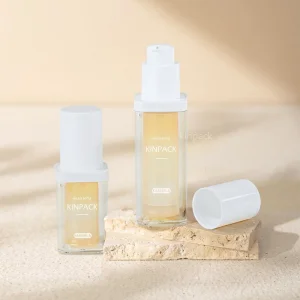
Airless pump systems utilize an internal piston mechanism that rises as the product is dispensed, creating a vacuum that prevents air exposure. This design protects oxidation-sensitive ingredients like Vitamin C, retinol, and organic oils, extending their shelf life without relying heavily on synthetic preservatives.
Modern PCR resins perform comparably to virgin polymers in terms of tensile strength and impact resistance. We use certified GRS PCR materials and run test batches to ensure consistent wall thickness and seal integrity. For cosmetic and food packaging, we select highly refined PCR grades to prevent odor and color shifts.
Our QA protocol includes vacuum chambers to test seal integrity and leak resistance, drop testing to evaluate impact durability, compatibility assessments for chemical interaction, torque testing for closure security, and spectrophotometer analysis to ensure color accuracy.
Standard PET bottles are designed for cold or warm filling up to 55°C. For hot-fill requirements (up to 85°C-90°C), we offer specialized heat-set PET bottles or high-density PP containers. PP maintains its structural integrity at high temperatures, preventing vacuum collapse after cooling.
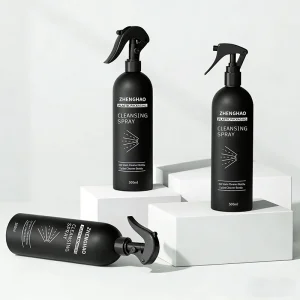
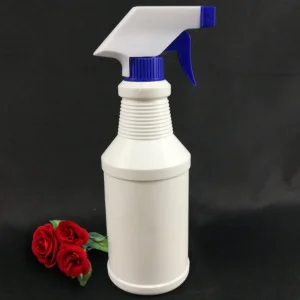
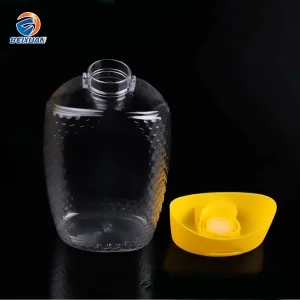
High-performance sprayers, squeeza-bottles, and travel-safe designs engineered for consumer and industrial applications.