Bluesky Bottle Bluesky Bottle

Why Are Some Plastic Bottles Not Recyclable Answers Inside

Time:2026-06-22 Author:Isabella
0%

In today’s world, plastic waste is a growing concern. While recycling efforts have increased, many plastic bottles still end up in landfills. This creates a significant environmental challenge. A common question arises: "Why are some plastic bottles not recyclable?" The answer lies in the materials and processes used in manufacturing these bottles.

Many plastic bottles are made from mixed materials or contain additives that hinder recycling. For example, some bottles have labels glued on, which complicates the recycling process. Additionally, certain types of plastic, like PVC, are not widely accepted in recycling programs. This can lead to confusion for consumers who want to recycle responsibly.

Understanding why some plastic bottles are not recyclable is crucial for both consumers and manufacturers. It encourages informed choices and highlights areas for improvement. The journey toward a more sustainable future involves recognizing these challenges and seeking solutions. We must consider how to reduce reliance on non-recyclable plastics and promote recycling-friendly designs.
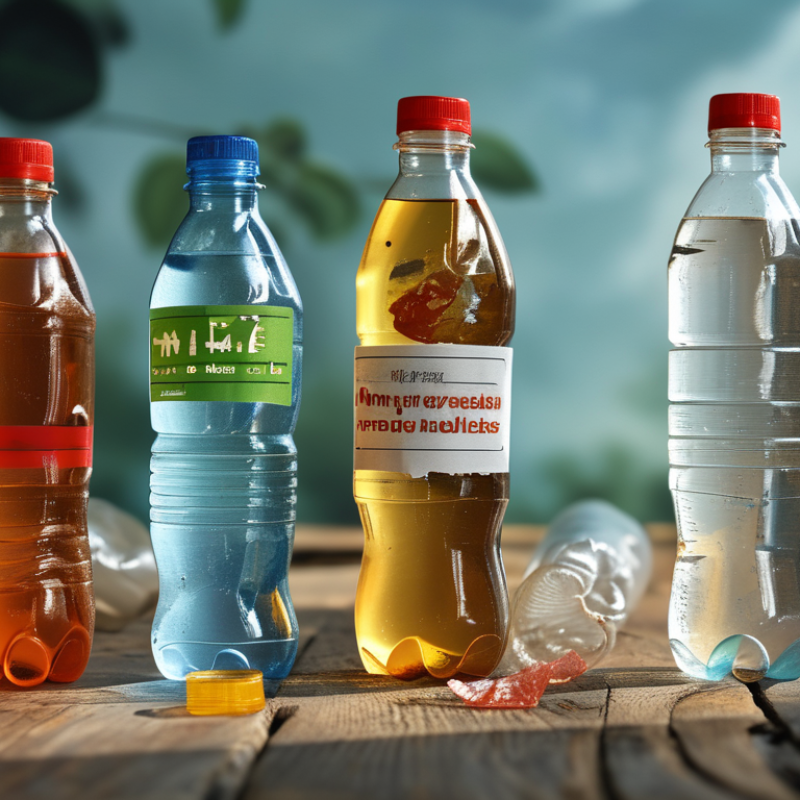
Why Are Some Plastic Bottles Not Recyclable Answers Inside

Understanding Plastic Types and Recyclability

Plastic bottles come in various types, each with different recyclability. The most common types include PET, HDPE, and PVC. PET is widely accepted in recycling programs. It's lightweight and strong, making it a popular choice. In contrast, PVC is more problematic. Many facilities do not accept it due to contamination issues and its complicated recycling process.

Understanding the specific characteristics of each plastic type is crucial. Some bottles may have mixed materials, which complicates recycling. Labels or coatings can also hinder the process. The recycling symbol often seen is not a guarantee of recyclability. Confusion about these aspects can lead to more waste and less material being reused.

Furthermore, some consumers are unaware that certain caps and labels are not recyclable. This lack of knowledge can contribute to contamination in recycling streams. It’s essential for individuals to learn more about what can be recycled in their local areas. This responsibility might seem small, but it can significantly impact the efficiency of recycling efforts.

The Role of Additives in Plastic Bottles

Additives play a crucial role in the production of plastic bottles. These substances enhance the performance and durability of the plastics. However, not all additives are recyclable. Some can break down during recycling. This process can limit the quality of recycled materials. When mixed with other plastics, these additives become problematic. The result can be non-recyclable products.

Tips: Look for clear recycling symbols on bottles. Avoid those with complex designs. These may contain additives that hinder recycling.

The use of certain colorants and fillers can impact recyclability. Dark colors often mask the identification of the plastic type. This complicates the recycling process. Even seemingly small details can lead to larger issues. Awareness is key when selecting plastic bottles.

Tips: Choose bottles made from single types of plastic. These are often more easily recycled. Understand the label on the container. It can give insights into what can be recycled successfully.

Identifying Common Non-Recyclable Plastic Bottles

Not all plastic bottles are recyclable. This issue often surprises consumers. Many are unaware that certain types of plastic are not accepted by recycling facilities. Understanding which bottles fall into this category is essential for effective waste management.

Common non-recyclable plastic bottles include those marked with the recycling codes 3, 6, and 7. Code 3 represents polyvinyl chloride (PVC), often used in plumbing pipes and packaging. Code 6 indicates polystyrene, found in foam cups and takeout containers. These materials can contaminate the recycling stream. It’s tricky; they can look similar to recyclable bottles.

Bottles made from mixed materials, like multi-layer packaging, are also problematic. They often cannot be processed efficiently. Additionally, bottles with food residue pose challenges. Contamination can lead to entire batches of recyclable materials being discarded. Recognizing these issues highlights the need for more education on plastic recycling. People should check labels and rinse containers. This practice can improve recycling outcomes.

Common Non-Recyclable Plastic Bottles

Impact of Recycling Technology on Plastic Bottles

The recycling technology used for plastic bottles significantly affects their recyclability. Many bottles are made from polyethylene terephthalate (PET) or high-density polyethylene (HDPE). These plastics are generally recyclable. However, advanced technology is needed to process them correctly.

Some bottles incorporate additives or mixed plastics, complicating the recycling process. For example, certain colors or coatings can hinder the separation of materials during recycling. This results in lower-quality recycled products or entire batches being discarded. Companies often face challenges in sourcing clean, recycled materials due to these factors.

Recycling facilities vary in their ability to handle complex materials. Some invest in state-of-the-art technology, while others rely on outdated methods. This discrepancy leads to inefficiencies and raises questions about the effectiveness of current practices. As technology advances, it prompts a reevaluation of the types of plastics used in packaging. There’s a need for innovation in both product design and recycling processes.

Why Are Some Plastic Bottles Not Recyclable - Impact of Recycling Technology on Plastic Bottles

Bottle Type Materials Recyclability Impact on Environment
PET Bottles Polyethylene Terephthalate Highly Recyclable Reduces landfill waste and conserves resources
HDPE Bottles High-Density Polyethylene Highly Recyclable Minimizes pollution and landfill impact
PVC Bottles Polyvinyl Chloride Limited Recyclability Toxic chemicals may be released during processing
LDPE Bottles Low-Density Polyethylene Not Widely Recycled Contributes to plastic pollution due to low recovery rates
PP Bottles Polypropylene Inconsistent Recyclability Increasingly recycled but still a concern
Multi-Layer Bottles Mixed Plastics Not Recyclable High environmental impact due to incineration or landfill

Environmental Implications of Non-Recyclable Plastics

The environmental implications of non-recyclable plastics are profound and alarming. According to the Environmental Protection Agency (EPA), about 91% of plastic is never actually recycled. Instead, it accumulates in landfills and oceans, posing serious threats to wildlife and ecosystems.

Non-recyclable plastics often have complex chemical structures. These materials can take hundreds of years to decompose. The Ocean Conservancy reports that millions of marine animals die each year due to plastic pollution. When ingested, plastics can cause harm to various species, leading to a decline in biodiversity. Ingested plastics also enter the food chain, raising questions about human safety.

Another troubling aspect is the greenhouse gas emissions. A study from the World Economic Forum indicates that plastic production and incineration contribute around 1.8 billion metric tons of greenhouse gases annually. This is equivalent to the emissions from more than 400 new 500-megawatt coal plants. Failure to address non-recyclable plastics can hinder global efforts to combat climate change. We need to rethink our material choices and their long-term impacts.

How can we reduce reliance on single-use plastics? This is a challenge we must face collectively.

FAQS

: What role do additives play in plastic bottles?

: Additives enhance the performance and durability of plastic bottles. However, not all are recyclable.

Why are some plastics non-recyclable?

Certain types of plastic, like those marked with codes 3, 6, and 7, are often not accepted.

How do colorants affect recycling?

Dark colors can mask plastic identification, complicating the recycling process. Awareness is essential.

What should I look for on plastic bottle labels?

Look for clear recycling symbols. Complex designs may indicate non-recyclable additives.

How does food residue impact recycling?

Bottles with food residue can contaminate recycling streams. This leads to entire batches being discarded.

What are the common challenges in recycling plastic?

Mixed materials and additives complicate processing. These can lower the quality of recycled products.

How does recycling technology influence plastic waste?

Advanced technology improves recyclability. Some facilities struggle with outdated methods.

What should I do to improve recycling outcomes?

Rinse containers and check labels. This helps ensure better quality in recycled materials.

Are all plastic bottles recyclable?

No, many plastic bottles are not recyclable. Awareness of types is key for waste management.

Why is education on recycling important?

Many consumers lack knowledge of recyclable materials. Better understanding can improve recycling practices.

Conclusion

The article "Why Are Some Plastic Bottles Not Recyclable? Answers Inside" explores the complex factors contributing to the recyclability of plastic bottles. It begins by examining various plastic types and their inherent properties, which play a significant role in determining recyclability. Additives used in plastic manufacturing can complicate recycling processes, leading to many bottles being deemed non-recyclable.

Furthermore, the article identifies common types of plastic bottles that are often discarded rather than recycled, shedding light on the limitations of current recycling technologies. Finally, it discusses the environmental implications of non-recyclable plastics, underscoring the importance of understanding why certain plastic bottles are not recyclable in order to encourage better waste management practices and promote sustainable alternatives.

Isabella

Isabella

Isabella is a dedicated marketing professional with a sharp focus on driving brand growth and engagement through strategic content creation. With an extensive background in digital marketing, she combines her passion for storytelling with her keen understanding of industry trends to deliver......