Why should we avoid single-use plastic bottles? This question reaches beyond personal convenience. It concerns resource use, waste management, public health, and environmental responsibility. Each disposable bottle begins with extracted materials, energy-intensive manufacturing, transportation, and refrigeration. After a few minutes of use, it may remain in the environment for decades or longer.
The evidence is uncomfortable. Plastic bottles can fragment into smaller particles, especially under sunlight, heat, and physical wear. These particles may enter rivers, soil, food chains, and household dust. Recycling helps, but collection systems remain uneven. Many bottles are never recovered. Even recycled plastic usually requires new material and additional energy. Inger Andersen, Executive Director of the United Nations Environment Programme, has stated, “We cannot recycle our way out of the plastic pollution crisis.” That warning deserves attention.
A reusable bottle can reduce repeated purchases, particularly when safe refill stations are available. Stainless steel and durable glass offer practical alternatives, though they also require energy to produce and clean. This matters. Reuse is not automatically sustainable without regular use and proper washing. Some people also depend on packaged water during emergencies or where drinking water is unsafe. A responsible discussion must acknowledge that reality.
The strongest argument is not perfection. It is prevention. Choosing refillable options, carrying one bottle, and improving local water access can reduce avoidable waste. Small actions accumulate. Still, individual choices cannot replace producer accountability and effective waste policies. The issue needs both personal experience and reliable evidence. Our habits deserve scrutiny, but so do the systems that make disposability seem normal.
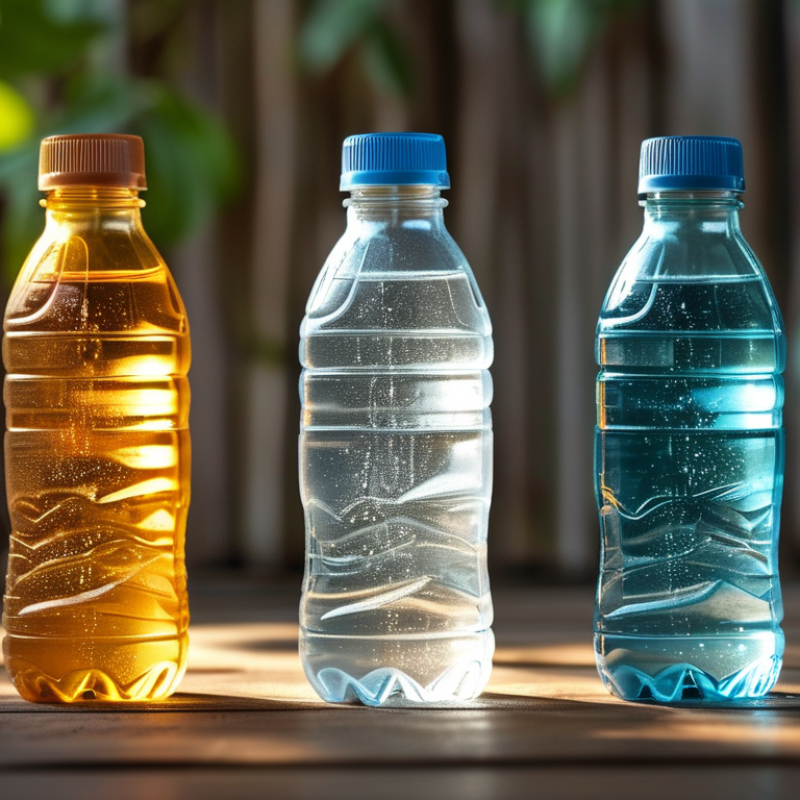
What Single-Use Plastic Bottles Are and How They Are Used
Single-use plastic bottles are containers designed for one brief cycle: production, purchase, drinking, and disposal. They usually hold water, juice, or other ready-to-drink products. A bottle may sit in a chilled store cabinet for hours, then travel in a backpack for minutes. Its useful life can be surprisingly short. After drinking, people may place it in a recycling bin, discard it, or leave it outdoors. The label, cap, and bottle can also follow different waste routes.
Convenience explains their popularity. A sealed bottle is light, portable, and easy to open beside a train platform or sports field. Yet convenience is not free. The United Nations Environment Programme reported in Turning off the Tap that more than 430 million tonnes of plastic are produced annually, with about two-thirds becoming short-lived products. Bottles are part of this fast-moving stream. They require fossil-based materials, energy, transport, and waste collection before recycling is even considered.
The OECD’s Global Plastics Outlook reported 353 million tonnes of plastic waste in 2019, while only 9% was recycled globally. That figure deserves caution: recycling rates differ by country, material, and reporting method. I once assumed a recycling symbol meant guaranteed recovery. It does not. Collection systems may be missing, contaminated, or unable to process certain formats. Reusing a durable bottle can reduce repeated purchases, but cleaning habits and safe drinking-water access still matter. The practical choice is less perfect than many campaigns suggest.
How Plastic Bottles Affect Natural Ecosystems
Single-use plastic bottles can travel far beyond the person who discards them. A bottle left beside a trail may enter a drain after heavy rain. It can then reach a river, wetland, or coastline. UNEP reports that 19–23 million tonnes of plastic waste enter aquatic ecosystems every year. Bottles are only one part of this flow, but their light weight makes transport easy. Wind carries labels. Water carries caps.
Natural systems pay the cost slowly. Sunlight and waves break bottles into smaller fragments, not harmless materials. Fish, seabirds, and turtles may mistake these pieces for food. A clear bottle can also trap insects, small mammals, or reptiles. The OECD Global Plastics Outlook found that global plastic waste reached 353 million tonnes in 2019. Only 9% was recycled. These figures reveal a serious gap between production and recovery.
The problem is not only littering. Collection systems fail in rural areas, during floods, and near crowded waterways. Recycling also depends on clean, sorted material. A bottle covered in mud may be rejected. The numbers are not perfectly simple. Plastic pollution varies between regions, and wildlife studies cannot measure every hidden injury. Still, field observations show the same troubling pattern: a brief drink can leave a long ecological trace. That trade deserves more honest reflection.
The Energy and Resources Required to Produce Bottled Water
Why Should We Avoid Single Use Plastic Bottles?
The Energy and Resources Required to Produce Bottled Water
I used to think bottled water was mainly a plastic problem. That view was incomplete. Producing one bottle requires more than water and packaging. Factories use energy to extract, filter, treat, chill, and fill the water. They also need electricity for pumps, lights, cleaning systems, and refrigeration.
Plastic production begins with fossil-based raw materials. These materials are processed into small pellets, heated, and shaped into bottles. Each step consumes energy and creates industrial emissions. Water is also used during manufacturing, although the amount varies by facility and production method. Some reports suggest that the total water footprint can greatly exceed the water inside the bottle.
Transportation adds another hidden cost. Heavy cases may travel by truck over long distances. Fuel is burned before the bottle reaches a shop, office, or home. Refrigerated storage can increase demand further. I have noticed how quickly a cold bottle becomes ordinary waste after a short drink. The convenience feels disproportionate.
Recycling helps, but it does not erase the original energy use. Collection systems are incomplete in many communities, and some bottles are contaminated or too small to recover efficiently. Reusable containers are not impact-free either. They require materials, washing, and repeated use. Their real benefit depends on long-term use and efficient cleaning, which is easy to overlook.
Why Should We Avoid Single Use Plastic Bottles? - The Energy and Resources Required to Produce Bottled Water
| Environmental Dimension |
Evidence-Based Data |
What the Data Shows |
Source or Data Note |
| Bottle Material |
Most disposable water bottles use PET plastic. |
PET is made from fossil-based chemical feedstocks and requires energy-intensive processing before it becomes a bottle. |
Material characteristic documented by environmental and plastics research agencies. |
| Typical Bottle Weight |
Approximately 10–20 grams for a 500 mL PET bottle |
Although one bottle is light, producing and discarding billions of lightweight containers creates a substantial material stream. |
Typical range varies according to bottle design, capacity, and manufacturing standards. |
| Water Used in Production |
About 1.39–2.00 liters of water may be required to produce 1 liter of bottled water. |
The water sold inside the bottle is only part of the total water requirement; additional water can be used for processing, cleaning, and packaging. |
Pacific Institute analysis of bottled-water production; estimates vary by facility and production method. |
| Energy Intensity |
Approximately 5.6–10.2 megajoules per liter of bottled water |
This estimated range can include plastic production, bottle manufacturing, filling, sealing, transportation, refrigeration, and end-of-life management. |
Pacific Institute, bottled-water energy-use assessment; results vary with transport distance and operating conditions. |
| Transport Burden |
One liter of water has a mass of approximately 1 kilogram, before adding the bottle and packaging. |
Moving bottled water requires transporting a heavy product as well as its container. Longer shipping distances generally increase fuel use and emissions. |
Physical property of water; transportation impacts depend on distance, vehicle type, load, and supply chain. |
| Plastic Waste Generation |
353 million tonnes of plastic waste were generated globally in 2019. |
Disposable bottles are part of the wider plastic-waste problem. A large quantity of plastic waste is not recycled and can remain in the environment for long periods. |
OECD, Global Plastics Outlook, 2022. The figure covers all plastic waste, not only bottles. |
| Global Plastic Recycling |
Only about 9% of plastic waste was ultimately recycled in 2019. |
Recycling cannot eliminate the impacts of single-use packaging because collection, sorting, contamination, and market limitations reduce the amount that is actually recycled. |
OECD, Global Plastics Outlook, 2022. This percentage applies to global plastic waste overall. |
| Reusable Alternative |
No single break-even number applies to every reusable bottle. |
The environmental benefit depends on how long the bottle is used, what it is made from, how often it is washed, and whether it replaces many single-use bottles. |
Life-cycle assessments consistently identify use frequency, cleaning, material, and service life as key variables. |
Note: The figures are research-based estimates rather than universal values. Actual impacts vary according to bottle size, manufacturing technology, energy sources, water treatment, transport distance, consumer behavior, and recycling infrastructure.
Health and Waste Management Concerns Linked to Plastic Bottles
Why Should We Avoid Single Use Plastic Bottles?
A cold bottle may seem harmless, especially after a long walk. Yet repeated heat, sunlight, and storage can affect its material and contents. Public health guidance generally recommends using these bottles only as intended. They are not designed for endless refilling. Tiny scratches can hold bacteria when washing is incomplete. That matters more when the bottle stays warm in a car. Some studies have also detected microscopic plastic particles in bottled water. Their long-term health effects remain uncertain. Uncertain does not mean harmless.
Waste creates a second concern. A bottle used for ten minutes may remain in the environment for decades. Collection systems often lose bottles through litter, overflowing bins, or poor sorting. I have seen clear bottles trapped beside storm drains after heavy rain. They can travel into rivers and coastal areas. Recycling sounds simple, but dirty or mixed plastics may be rejected. Processing also requires energy and transport. The final material may not become another bottle.
Reusable containers can reduce this waste when they are cleaned regularly and carried consistently. However, this choice is not perfect. Manufacturing a durable container also uses resources. People sometimes buy several reusable products and use none for long. A practical habit is better than a fashionable purchase: refill one suitable container, wash it daily, and replace it when damaged. Local recycling instructions should guide disposal, because accepted plastics differ between communities. Less waste begins with fewer short-lived choices.
Conclusion
Single-use plastic bottles are designed to be used briefly and then discarded, often for drinking water and other beverages. Although they are convenient, their widespread use creates lasting environmental problems. Why should we avoid single-use plastic bottles? They can accumulate in landfills, streets, rivers, and oceans, where they may harm wildlife, break into tiny plastic particles, and disrupt natural ecosystems. Their production also requires petroleum-based materials, large amounts of water, and considerable energy for manufacturing, transportation, and disposal.
Plastic bottles also create challenges for waste management because many are not collected or recycled effectively. Repeated use of containers that are not intended for long-term use may raise hygiene concerns, especially when they are poorly cleaned or exposed to heat. A more sustainable approach is to carry a durable, reusable bottle and refill it with safe drinking water. Choosing refill stations, improving recycling habits, and reducing unnecessary packaging can conserve resources, limit pollution, and support healthier communities.
 Bluesky Bottle
