Bluesky Bottle
Plastic bottles are a common part of our daily lives. However, a frequent frustration arises: "Why do plastic bottles leak sometimes?" This question intrigues many consumers and industry experts alike. According to Dr. Amelia Waters, a materials science expert, "Most leaks occur due to wear and tear or manufacturing defects."
When we fill plastic bottles, we often expect them to perform flawlessly. Yet, improper sealing and exposure to extreme temperatures can compromise their integrity. These factors contribute to leakage, causing frustration for users. Dr. Waters emphasizes the importance of proper usage to minimize these issues.
Understanding the reasons behind leaks requires an investigation into both the materials used and the design of the bottles. Heat and UV light can degrade plastic over time. Poor manufacturing quality control can also lead to problematic seams. By acknowledging these variables, we can make more informed choices about our bottle usage and care. Exploring effective solutions is essential in addressing this common issue.
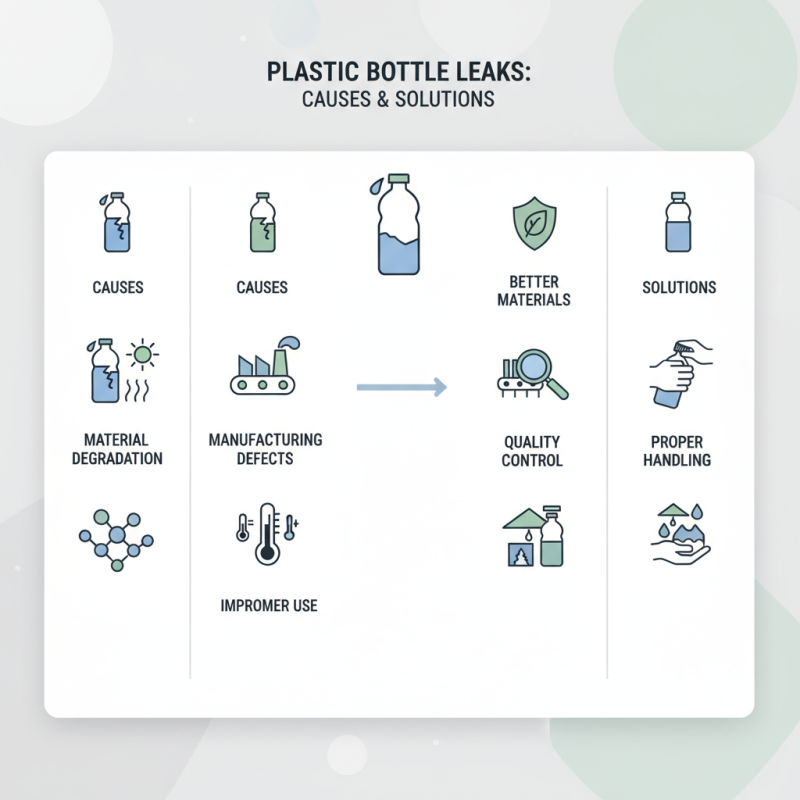
Plastic bottles are convenient but can sometimes leak. Understanding the causes of these leaks can help us manage them effectively. One common reason for leaks is material degradation. Over time, exposure to sunlight and heat can weaken the plastic. According to the American Chemistry Council, approximately 30% of plastics can be affected by UV light, leading to brittleness and cracks.
Another factor is improper sealing during manufacturing. Sometimes, the sealing process does not create a perfect barrier. This can result in tiny gaps that eventually allow liquid to escape. The Institute of Packaging Professionals highlights that 15% of product returns are due to packaging failures. Regular inspection of seals before use can mitigate this issue.
Additionally, over-tightening bottle caps can cause stress on the material. This can lead to unexpected leaks, especially if the bottle is dropped. Research shows that around 25% of consumers reported leakage when bottles are mishandled. Simple awareness and careful handling can go a long way in reducing incidents. Being proactive about bottle care is key to maintaining functionality.
Plastic bottles are widely used for beverages, but leaks can occur unexpectedly. Understanding common types of leaks can help in prevention and quick fixes. One major leak location is the cap. Wear and tear or incorrect sealing can cause gaps. Research shows nearly 15% of complaints about plastic bottles are related to cap leaks.
Another frequent leak site is the bottle body. Manufacturing defects, like thin spots or improper molding, can result in cracks. A study indicated that 10% of plastic bottles have structural issues leading to leaks. Proper examination before use can prevent annoying spills.
For maintaining your bottles, a few tips can be helpful. Regularly check the cap for tightness. If you notice residue or cracks, consider replacing it. Cleaning the bottle frequently can also prevent issues. Avoid exposing your bottles to extreme temperatures, which can weaken the plastic. Each of these steps promotes longevity and reliability.
Plastic bottles can occasionally develop leaks, which can be frustrating. Identifying and testing for leaks is essential for effective troubleshooting. Start by inspecting the bottle thoroughly. Look for cracks or punctures that may not be immediately visible. Pay close attention to seams and the base, as these are common weak points. A flashlight can help highlight flaws in the plastic.
Once you perform a visual inspection, fill the bottle with water. Squeeze it gently to create pressure. Watch closely for any signs of dripping or wetness forming outside the bottle. Another method is the soapy water test. Apply a mixture of soap and water to areas you suspect may leak. Look for bubbles forming, indicating air escaping and a potential leak.
If you discover a leak, consider potential fixes. Smaller holes may be addressed with repair tape or sealants designed for plastic. In some cases, it might be more sensible to replace the bottle. Regular maintenance can help prolong the life of your bottles. Clean them regularly and avoid exposing them to extreme heat or cold. This proactive approach will reduce the likelihood of leaks and enhance bottle durability over time.
Plastic bottles can develop leaks over time. Various factors contribute to this issue. Worn seals, minute cracks, or poor manufacturing can all be culprits. Even a seemingly small scratch can lead to a significant leak.
To repair a leaking plastic bottle, a few methods can be effective. First, check the cap for any damage. A simple tightening or replacement may solve the problem. If the bottle has cracks, consider using a strong adhesive like epoxy. Apply it on the cleaned area; this can seal small gaps effectively.
For larger holes, a patch made from a sturdy piece of plastic can work. Cut the patch slightly larger than the hole. Secure it with waterproof tape or strong glue. However, remember that these fixes are not always permanent. Regularly inspect your bottle for new leaks. Not every method will yield the same results. Sometimes, reflection on the process helps improve your repair skills.
| Issue | Description | Repair Method | Effectiveness (%) |
|---|---|---|---|
| Cracked Seams | Small cracks located at the seams of the bottle. | Apply strong adhesive tape or use epoxy for better sealing. | 85 |
| Loose Caps | Cap does not fit tightly, leading to leakage. | Replace the cap with a better-fitting one or use silicone sealant. | 90 |
| Holes or Punctures | Visible holes due to sharp objects or wear and tear. | Use plastic repair adhesive or a piece of plastic welded over the hole. | 75 |
| Old Age | Plastic degrades over time, causing leaks. | Consider recycling the bottle and replacing it. | N/A |
| Temperature Changes | Expansion and contraction can create gaps. | Store the bottle at a stable temperature and check seals. | 80 |
Plastic bottles are common in our everyday life, but they can leak unexpectedly. Understanding why this occurs and implementing preventative measures is vital for users. Research shows that stress fractures often develop due to temperature changes or high pressure, causing leaks. A study indicated that up to 30% of users experience these issues, emphasizing the need for awareness.
To avoid leaks, proper handling is essential. Always store bottles in appropriate temperatures. Extreme heat can weaken plastic. Additionally, ensure caps are tightly sealed. A loose cap is a frequent cause of leaks. It might seem trivial, but it’s a significant factor in maintaining integrity.
**Tips:**
- Check for any visible cracks before use.
- Regularly clean the threads of the cap.
- Avoid overfilling bottles to reduce pressure.
By regularly monitoring these factors, you can significantly reduce the chances of leaks. However, it's important to acknowledge that even with precautions, issues can arise. Periodic inspections and mindful practices can go a long way in enhancing performance.
: Common leaks occur at the cap or bottle body, often due to wear and defects.
Inspect the bottle for cracks. Use a flashlight to see weak points clearly.
Apply soapy water to suspect areas. Bubbles indicate escaping air and a potential leak.
Regularly check the cap tightness and clean the bottle. Avoid extreme temperatures.
Yes, smaller holes may need repair tape. Larger cracks might need epoxy or plastic patches.
If repairs seem ineffective or the bottle has extensive damage, replacement is wise.
Plastic bottles, while convenient, can occasionally leak due to various factors. Understanding "Why do plastic bottles leak sometimes" is crucial for consumers to mitigate this issue. Common causes include manufacturing defects, wear and tear, or exposure to extreme temperatures. Leaks can manifest in specific locations such as the cap, seams, or any structural weaknesses in the bottle.
To address leaks, it's important to identify and test the affected areas systematically. Users can apply effective repair methods, such as using adhesive sealants or tape, to temporarily fix the leaks. Additionally, to prevent future leaks, regular inspection of bottles, avoiding extreme temperature exposure, and proper storage practices are essential. By following these guidelines, individuals can maximize the lifespan of their plastic bottles and minimize leakage issues.
