Bluesky Bottle
What affects the quality of plastic bottles in 2026? The answer is rarely one material or one machine setting. Bottle quality develops through a chain of decisions: resin selection, bottle design, molding conditions, inspection, and storage. A clear bottle may look flawless under bright warehouse lights, yet still have uneven walls, a weak neck, or a cap that leaks after transport. Small defects matter.
Packaging researcher Dr. Susan Selke is widely known for her work on packaging materials and performance. A practical summary of her field’s approach is: “A bottle must be judged by how reliably it protects and delivers its contents, not by appearance alone.” This is a paraphrase, not a verified direct quotation. It points to an important distinction: visual clarity is only one measure of quality.
In this guide, we’ll examine how resin consistency, recycled content, mold design, temperature control, and quality testing affect strength, appearance, and leak resistance. We’ll also look at details manufacturers can miss, such as a rough finish around the neck or a base that rocks on a flat table. Not every defect is obvious. And not every test catches every weakness. Quality depends on repeatable checks, clear specifications, and honest review of production data—especially when a bottle performs differently than expected.
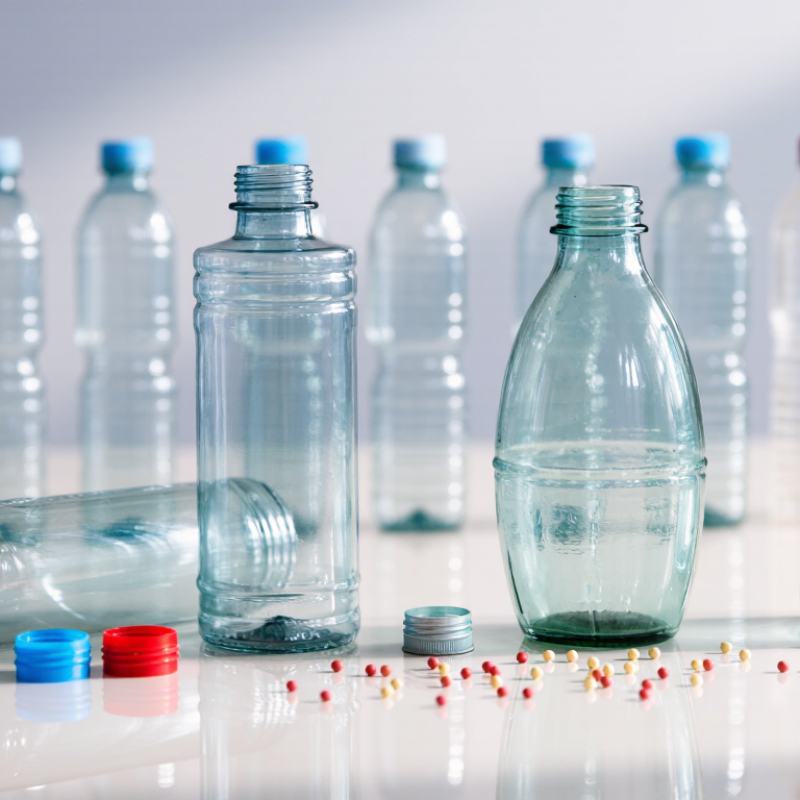
Plastic bottle quality is measured through consistency, strength, and suitability for its intended use. Check capacity and dimensions across multiple samples, not just one bottle. A filled bottle should stand steadily, fit its closure, and pour without unexpected drips. Small variations matter.
Wall thickness and weight offer useful clues, but neither tells the whole story. Uneven walls can create weak spots, especially near the shoulder, base, or handle. Inspect bottles under steady lighting for haze, discoloration, bubbles, and visible contamination. A clear bottle may still be brittle. That is easy to miss.
Practical tests reveal more. A leak test can catch poor neck finishes or mismatched closures; a controlled drop test can show how bottles respond to handling. For products exposed to repeated squeezing or transport, assess deformation and recovery as well. Record test conditions, including fill level and temperature, so comparisons remain meaningful. Results vary by bottle shape and intended contents, and a single pass should not be treated as proof of lasting performance. Quality is not one score. It is a balance, and sometimes the ideal balance is less obvious than expected.
Key measures include dimensional and visual consistency, leak resistance, top-load strength, drop performance, and closure fit.
Illustrative quality-control results for a sample lot of 100 bottles. Pass rates are examples, not industry-wide benchmarks; acceptance limits depend on bottle design, material, and test protocol.
Resin choice sets a bottle’s basic performance limits. PET offers good clarity and gas barrier properties, making it common for beverage packaging. HDPE is opaque unless modified, but it resists impact and many household chemicals. The right choice depends on the contents, filling temperature, and shipping conditions—not appearance alone. A bottle that feels sturdy on a shelf may still deform under heat or pressure.
Additives fine-tune performance. UV stabilizers can reduce light damage; impact modifiers can help prevent cracking; colorants can improve product protection but may complicate sorting. Small details matter. NAPCOR’s 2023 PET Recycling Report puts the U.S. PET bottle recycling rate at 33%, showing why resin and additive compatibility matter beyond the factory.
Additive levels should be tested against the intended use, including clarity, drop resistance, and closure fit. More additive is not automatically better.
OECD’s Global Plastics Outlook estimated that only 9% of plastic waste was ultimately recycled worldwide in 2019. That figure covers all plastics, not bottles alone, but it highlights a real design constraint. A practical specification should balance bottle strength with lightweighting and end-of-life compatibility. There is no perfect formulation: improving one property can weaken another. Testing under actual filling and transport conditions remains essential.
Bottle design and manufacturing shape quality long before a bottle reaches a filling line. The neck finish must match the closure, while the body needs enough stiffness for handling and storage. Uneven wall thickness can create weak spots, especially around shoulders, corners, and the base. Small details matter.
A thoughtful design considers how plastic flows and stretches inside the mold. Sharp transitions may concentrate stress, while a stable base helps the bottle stand securely. During production, operators control factors such as material temperature, mold cooling, and forming pressure. Even small changes can affect weight, clarity, and shape. Results depend on the bottle design and the process used.
Quality checks should reflect real use, not just appearance. Measurements can confirm neck dimensions and overall capacity. Leak tests, closure checks, and drop tests can reveal problems that a visual inspection misses. A clear bottle can still have a weak seam. And a sturdy sample does not guarantee every production run will match it. That gap deserves attention: regular sampling and recorded process settings help teams spot variation before it becomes a pattern.
A safe plastic bottle is verified through evidence, not appearance. Inspectors check resin identity, wall-thickness variation, neck finish, and closure fit. A thin spot near the base can buckle under pressure; a poor seal can leak during transport. For food-contact use, migration testing checks whether substances transfer into the contents under defined time and temperature conditions. In the EU, Commission Regulation (EU) No 10/2011 sets an overall migration limit of 10 mg per square decimetre for plastic food-contact materials. Requirements differ by market, so test conditions must match the bottle’s intended use.
Testing also covers physical performance. Drop, leak, top-load, and pressure tests can reveal weaknesses that visual checks miss. Each production batch should have traceable records, calibrated equipment, and clear acceptance limits. NAPCOR’s 2023 PET Recycling Report estimated a 33% U.S. PET bottle recycling rate for 2023. Recycled resin can support resource efficiency, but its origin and food-contact suitability need documented verification. A neat sample is not proof of a consistent batch.
Tips: Keep retained samples from each lot. Record test temperature, duration, and results; otherwise, comparisons are weak. Review failures, even small ones. A minor leak may point to a process drift that deserves another look.
What Affects the Quality of Plastic Bottles in 2026?
How Storage and Use Conditions Affect Bottle Durability
A plastic bottle can look sound and still weaken under poor storage conditions. Direct sunlight may heat the material and speed up discoloration or brittleness, especially over long periods. Store bottles in a cool, dry place, away from windows, heaters, and hot vehicles. Heat matters. A parked car can become much warmer than expected.
Use conditions also shape durability. Repeated squeezing, dropping, or stacking heavy items on bottles can create stress points around the base and neck. These areas deserve a quick look during routine checks. Watch for cloudy patches, fine cracks, leaks, or a cap that no longer fits firmly. Small changes can be easy to miss.
Cleaning practices matter, too. Use cleaning methods suited to the bottle’s material, and avoid harsh chemicals or very hot water unless the manufacturer says they are suitable. Rinse thoroughly and let bottles dry fully before storage. Moisture trapped inside can cause unpleasant odors. I sometimes find that a bottle looks fine from the outside, yet its inner surface tells a different story; inspection is useful, but it cannot reveal every weakness. Replace bottles showing damage, and follow any stated limits on reuse.
Check several bottles for consistent capacity, dimensions, and steady standing. Fill one and check whether it pours cleanly without drips.
No. Weight and wall thickness offer clues, but uneven walls can create weak spots near the shoulder, base, or handle. That can be missed.
Hold the bottle under steady light and check for haze, discoloration, bubbles, and visible contamination. Clear plastic can still be brittle.
Try a controlled leak test and drop test. For bottles that are squeezed or transported often, check how they deform and recover. Record the fill level and temperature.
PET commonly provides clarity and gas protection. HDPE is usually opaque, but offers impact resistance and resistance to many household chemicals. Match the material to the contents and filling conditions.
No. UV stabilizers may limit light damage, while impact modifiers can help reduce cracking. Colorants may protect contents but complicate sorting. More additive is not automatically better.
Keep them in a cool, dry place away from sunlight, heaters, and hot vehicles. Heat matters. Check the neck and base for fine cracks or deformation.
Use cleaning methods suited to its material, and avoid very hot water unless approved. Rinse well and let it dry fully. Replace damaged bottles and follow stated reuse limits; an outside check cannot reveal every weakness.
What affects the quality of plastic bottles depends on more than appearance. Quality is measured by factors such as strength, leak resistance, clarity, weight consistency, and suitability for the bottle’s intended contents. Resin selection and additives influence flexibility, impact resistance, transparency, and protection from heat or light. A well-designed bottle must balance its shape and wall thickness so it can withstand filling, transport, and everyday handling without becoming unnecessarily heavy.
Manufacturing consistency and quality control are also essential. Checks such as visual inspection, dimensional measurement, and leak or pressure testing can help identify defects and verify performance. Even a well-made bottle may deteriorate if exposed to unsuitable temperatures, prolonged sunlight, rough handling, or conditions beyond its intended use. Proper storage and careful use therefore help preserve durability and function over time. Together, material choices, design, production, testing, and handling determine how reliably a plastic bottle performs.
