Bluesky Bottle Bluesky Bottle

Top 10 Benefits of Using Barrier Plastic Bottles?

Time:2026-03-20 Author:Madeline
0%

Barrier Plastic Bottles are becoming increasingly popular in various industries. They serve a crucial purpose beyond regular plastic bottles. These bottles are designed to protect their contents from external environmental factors.

One of the key benefits of using a Barrier Plastic Bottle is its ability to extend product shelf life. They prevent oxygen and moisture from compromising the quality of food and beverages. Imagine enjoying a fresh drink weeks after the bottling date, thanks to their advanced design.

However, it’s important to consider the environmental impact of these bottles. While they offer advantages, the long-term effects on recycling systems raise concerns. The convenience of Barrier Plastic Bottles might lead to greater waste if not managed properly. Thus, understanding both benefits and drawbacks is vital for responsible usage.
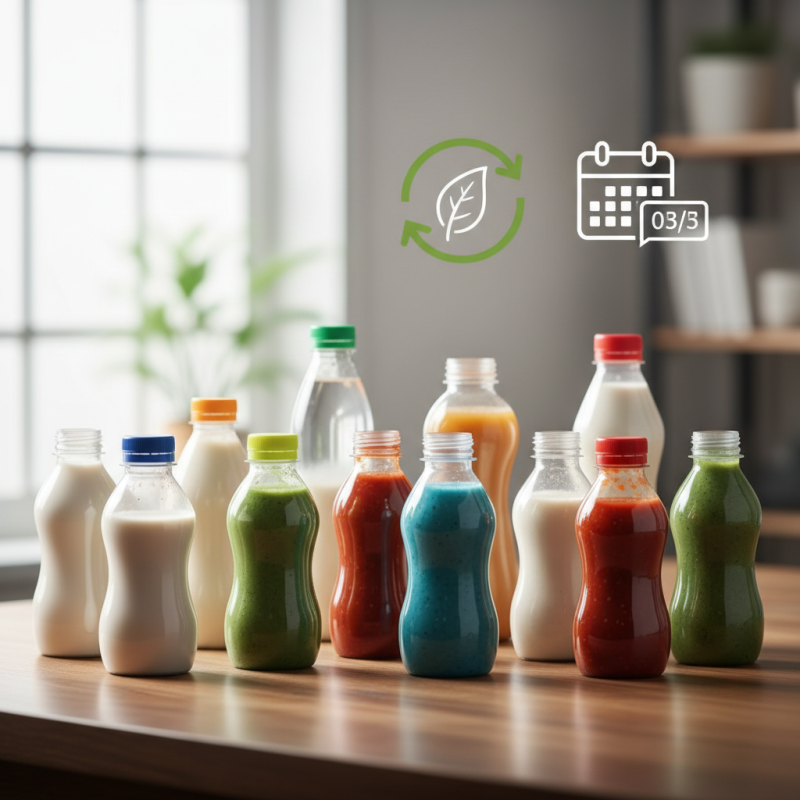
Top 10 Benefits of Using Barrier Plastic Bottles?

Key Features of Barrier Plastic Bottles Explained

Barrier plastic bottles are gaining attention for their unique features. These bottles are designed to protect contents from external elements. They effectively prevent gas or moisture from penetrating. This benefit is crucial for preserving the quality of beverages and perishable goods. The materials used create a strong barrier against light and oxygen, extending shelf life.

Another key aspect is their lightweight nature. Barrier plastic bottles are easier to transport and store. However, many people overlook the importance of recycling these bottles properly. While they offer superior protection, improper disposal can lead to environmental issues. Furthermore, users should reflect on their choice of materials. Sustainable options exist, but not all products utilize them.

In terms of cost-effectiveness, barrier plastic bottles can be economical. Their durability reduces the risk of breakage, leading to fewer losses. Yet, some may question the balance between cost and quality. It's vital to evaluate whether the price aligns with the benefits offered. This reflection can lead to better decisions in packaging solutions.

Top 10 Benefits of Using Barrier Plastic Bottles

Benefit Number Benefit Description
1 Enhanced Shelf Life Barrier plastic bottles significantly extend the shelf life of beverages and food products by preventing oxygen and moisture from compromising quality.
2 Lightweight Their lightweight nature reduces transportation costs and carbon footprint, making them environmentally friendly.
3 Shatter Resistance Unlike glass, barrier plastic bottles are shatter-resistant, providing safety in various environments.
4 Cost-Effective They are generally more affordable to produce and recycle compared to traditional materials.
5 Customizability Barrier plastic bottles can be manufactured in various shapes and sizes to meet branding requirements.
6 Barrier Technologies They incorporate advanced barrier technologies that ensure superior protection against external elements.
7 User-Friendly Easy to handle and dispense, making them convenient for consumers.
8 Sustainability Many barrier plastic bottles are made from recyclable materials, promoting sustainable practices.
9 Poor Permeation They effectively limit the permeation of light and gases, preserving the integrity of the contents.
10 Versatile Applications Suitable for a wide range of industries including food and beverage, pharmaceuticals, and cosmetics.

Enhanced Preservation of Product Quality and Freshness

Barrier plastic bottles offer significant advantages in preserving product quality and freshness. These bottles are designed with materials that prevent gas and moisture exchange. This feature helps extend the shelf life of beverages and food products. For instance, oxygen is a primary factor that causes spoilage. By limiting its penetration, barrier bottles protect the contents.

Using these specialized bottles can maintain flavors and nutritional value for longer periods. Imagine a fresh juice stored in a standard bottle. After a few days, it may lose its vibrant taste. However, when placed in a barrier bottle, the juice retains its freshness much longer. The difference is notable. With proper storage, consumers may enjoy their favorite products as intended.

Yet, it’s not perfect. Sometimes, the production of barrier bottles can be resource-intensive. This raises concerns about environmental impact. While they effectively preserve products, it is essential to balance this benefit with sustainability practices. Discussions about recycling and reusability are ongoing. Addressing these issues is crucial as we embrace the benefits of barrier technology.

Cost-Effectiveness Compared to Other Packaging Solutions

Barrier plastic bottles offer a unique blend of durability and affordability. Compared to glass or metal options, they are lighter and less prone to breakage. This can significantly reduce transportation costs. These bottles also require less energy to produce, making them an eco-friendlier choice. However, the initial investment in barrier technology might seem high for some businesses.

Cost-effectiveness also extends to storage. Barrier bottles are stackable and save space in warehouses. This leads to lower storage costs over time. Additionally, they can preserve contents longer, reducing waste from expired products. On the flip side, companies need to ensure proper recycling practices. Improper disposal can negate some environmental benefits.

In the long run, the financial advantages of using barrier plastic bottles are clear. They provide a practical solution without sacrificing quality. However, companies should remain vigilant about the ecological impact. Constantly seeking improvement in product design and recycling programs is essential. Balancing cost and environmental responsibility presents challenges but also opportunities for innovation.

Environmental Impact and Sustainable Practices in Usage

Barrier plastic bottles offer numerous benefits, particularly in terms of environmental sustainability. These bottles are designed to protect their contents and reduce spoilage. Yet, the production process can generate a significant carbon footprint. While they provide excellent protection against contamination, we must consider their impact on the environment.

The materials used in barrier bottles can be recycled, but the availability of recycling facilities varies widely. Communities might not have the infrastructure to properly recycle these bottles. When not disposed of correctly, they contribute to landfill waste and ocean pollution. This poses a challenge for consumers who want to make responsible choices.

Moreover, the energy consumed during manufacturing raises questions about sustainability. We need to rethink our consumption patterns. While barrier bottles serve a purpose, it’s crucial to explore alternatives. Innovations in biodegradable materials or reusable options could offer more sustainable practices in the long run. The journey toward eco-friendliness requires ongoing reflection and adaptation.

Versatility Across Various Industries and Applications

Barrier plastic bottles are gaining popularity across various industries due to their unique properties. They provide excellent protection for sensitive contents. These bottles are resistant to gases, moisture, and UV light. This makes them ideal for products like pharmaceuticals and cosmetics. A report from the Global Plastic Bottles Market states that over 50% of companies now prioritize barrier properties in their packaging.

In the food industry, barrier bottles help maintain freshness and quality. They limit oxygen exposure, which slows down spoilage. This can extend the shelf life of beverages by up to 30%, according to industry research. The use of barrier bottles is also expanding in eco-friendly sectors. They can be made from recycled materials, promoting sustainability efforts.

Tip: Consider your product's specific needs when choosing packaging. Barrier properties can significantly impact quality. Don’t overlook the importance of testing different bottle types. Evaluate how each option interacts with your product. While barrier bottles offer many advantages, they are not always perfect. Some may find that the production costs are higher. This requires careful budgeting and planning. Balancing cost and benefits is crucial for successful implementation.

FAQS

: What are barrier plastic bottles designed for?

: They protect contents from external elements, preventing gas and moisture penetration. This preserves quality.

How do barrier plastic bottles extend shelf life?

Their materials create a strong barrier against light and oxygen. This keeps beverages and perishable goods fresh longer.

Why should users recycle barrier plastic bottles?

Improper disposal can cause environmental issues. Recycling helps reduce waste and promotes sustainability.

What are the cost benefits of barrier plastic bottles?

They reduce transportation costs due to their lightweight nature. Their durability also leads to fewer breakages.

Are barrier plastic bottles environmentally friendly?

Yes, they require less energy to produce. However, proper recycling practices are crucial to maintain this benefit.

What should companies consider when choosing packaging?

Evaluate the balance between cost and quality. Reflecting on material choices can lead to better packaging decisions.

How do barrier plastic bottles compare to glass or metal?

They are lighter and less prone to breakage, leading to savings in transportation and storage costs.

What is a challenge for companies using barrier plastic bottles?

Maintaining ecological responsibility while balancing cost can be difficult, but it offers opportunities for innovation.

How can businesses improve their environmental impact?

By seeking better product design and enhancing recycling programs, they can reduce the ecological footprint of packaging.

Conclusion

Barrier Plastic Bottles offer numerous advantages that make them an optimal choice for packaging across various industries. One of their key features lies in their ability to enhance the preservation of product quality and freshness, effectively preventing contamination and extending shelf life. This is especially beneficial in sectors like food and pharmaceuticals, where maintaining product integrity is crucial.

Additionally, Barrier Plastic Bottles are cost-effective compared to traditional packaging solutions, enabling businesses to reduce their overall packaging costs while still delivering high-quality products. Furthermore, the environmental impact of using these bottles can be minimized through sustainable practices, making them a more eco-friendly option. Their versatility allows them to be utilized in a wide range of applications, making them a valuable packaging solution in today’s market. Overall, the benefits of Barrier Plastic Bottles make them an essential component in modern packaging strategies.

Madeline

Madeline

Madeline is a dedicated marketing professional with a wealth of expertise in our company's core offerings. With a keen understanding of the industry, she brings a unique perspective to her role, consistently delivering high-quality content that highlights the superior aspects of our products. As......