Bluesky Bottle
Plastic bottles are a convenient choice for many people. However, they often develop unpleasant odors over time. Understanding what causes odors in plastic bottles is key to addressing the issue effectively. Common culprits include bacteria, mold, and residual food or drink particles. These elements thrive in the warm, moist environment often found inside bottles.
When not cleaned properly, odors can linger, making the bottles unappealing to use. It's frustrating to open a bottle and be greeted by an unwelcome smell. Cleaning techniques matter greatly. Many people overlook the importance of regular maintenance. Simple practices can lead to significant improvements. But it's easy to forget, leading to a cycle of unpleasant smells.
Tackling odors in plastic bottles requires both awareness and action. With the right tips, you can restore your bottles' freshness. Consider the materials and techniques you use to sanitize them. Being proactive is essential in ensuring they remain odor-free. With persistence and knowledge, it's possible to enjoy clean, fresh-tasting beverages once again.
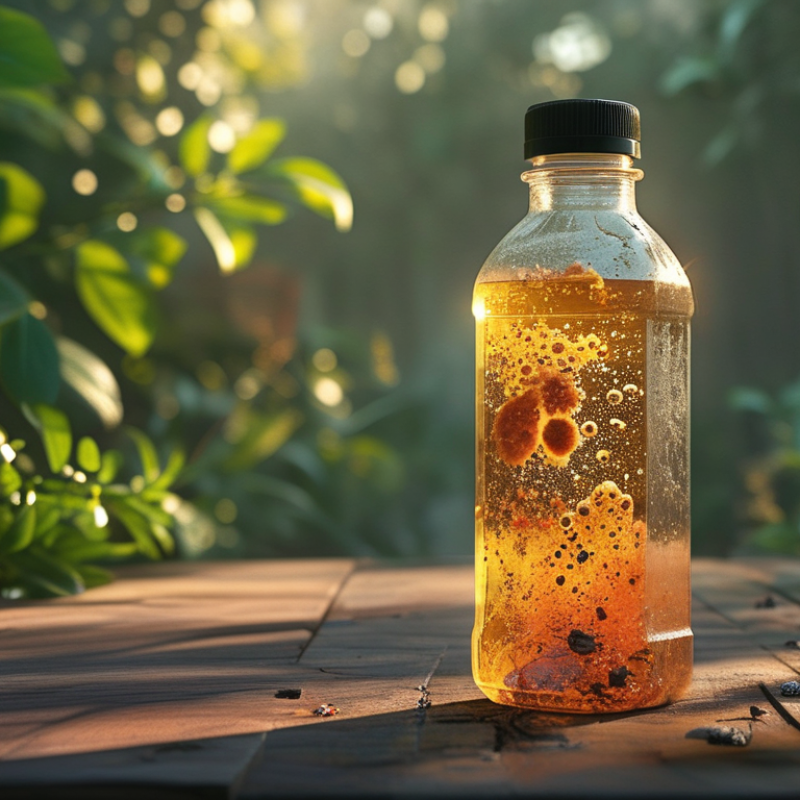
Odors in plastic bottles primarily stem from various sources. One major culprit is the material itself. Many plastics, especially those not specifically designed for long-term storage, can absorb scents. A study from the Journal of Environmental Sciences found that polyethylene and polypropylene can hold onto volatile compounds, which can lead to unwanted smells over time.
Food and liquids are also significant contributors to odors. For instance, oil-based products or sugary liquids can coat the interior. This residue not only causes bad odors but can also promote bacterial growth. According to the Centers for Disease Control and Prevention, bacteria thrive in moist environments, contributing further to unpleasant scents. Regular cleaning helps mitigate this risk but can sometimes fail to remove entrenched odors.
Another factor is the presence of mold or mildew, especially if bottles are stored in damp areas. Mold can develop quickly in warm, humid conditions. A report by the American Society for Microbiology highlights that even mild cases of mold can alter the taste of liquids stored in these containers. Preventive measures, such as thorough drying and proper storage, can help reduce the potential for odor development.
Plastic bottles often develop unpleasant odors, mainly due to residues from beverages, bacteria, and mold. According to a study by the International Journal of Food Microbiology, bacteria can thrive in moist environments, particularly within these containers. Over time, without proper cleaning, the bacteria break down organic materials and produce foul smells.
Effective cleaning methods can significantly reduce these odors. One popular method includes using a mixture of baking soda and vinegar. Baking soda acts as a mild abrasive and deodorizer, while vinegar effectively kills certain bacteria. Some experts recommend using this combination frequently, especially after storing strong-smelling liquids.
Another effective approach is to use hot water with dish soap. Studies suggest that temperatures above 140°F can help dislodge grime and kill some bacteria. However, it's crucial to let your bottle dry completely. A humid environment can inadvertently become a breeding ground for new odors. Experimenting with different methods can be beneficial, as what works for one person may not necessarily work for another.
Plastic bottles often retain unpleasant odors. These smells can arise from lingering liquids, trapped moisture, or even the plastic itself. Using natural remedies can effectively neutralize these unwanted scents.
Baking soda is a popular choice. Simply fill the bottle halfway with water and add a few tablespoons of baking soda. Allow it to soak for a few hours or overnight. Rinse thoroughly to remove the residue. Another option is vinegar. Fill the bottle with equal parts vinegar and water. Let it sit for a while, then rinse well.
Lemon juice is also useful. Its acidity helps combat odors while leaving a fresh scent. Mix lemon juice with water and pour it into the bottle. Let it rest, then rinse. Each method provides a simple, eco-friendly solution to tackle stubborn smells. However, it’s essential to wash bottles regularly to prevent future issues. These natural remedies work, but consistency is key. Regular maintenance ensures your plastic bottles stay fresh.
| Tip | Description | Natural Remedies | Causes of Odors |
|---|---|---|---|
| 1. Baking Soda | Add a tablespoon of baking soda and water, shake well, and let sit overnight. | Baking soda absorbs odors effectively. | Leftover liquids or food particles. |
| 2. Vinegar | Fill the bottle with equal parts of vinegar and water, shake, and leave overnight. | Vinegar neutralizes bad smells. | Bacteria or mold growth. |
| 3. Lemon Juice | Mix lemon juice with water and let it sit for a few hours. | Lemon acts as a natural deodorizer. | Stale drinks or residue. |
| 4. Salt and Ice | Add ice, salt, and a bit of water, shake, and rinse well. | Salt helps scrub away stuck-on odors. | Old liquids sticking to the sides. |
| 5. Coffee Grounds | Put loose coffee grounds in the bottle, close, and let sit for a couple of days. | Coffee grounds absorb odors well. | Odors from previous contents. |
| 6. Activated Charcoal | Place activated charcoal in the bottle and let it absorb overnight. | Charcoal is known for its odor-absorbing properties. | Chemical reactions with contents. |
| 7. Dish Soap | Use warm water and a few drops of dish soap, shake, and rinse thoroughly. | Cleans and neutralizes odors. | Residual fats or oils. |
| 8. Essential Oils | Add a few drops of essential oil and water, shake, and let sit. | Essential oils provide a pleasant scent. | Bacteria and mold growth. |
| 9. Sunlight | Leave the bottle in direct sunlight for a few hours to air out. | Sunlight helps kill bacteria. | Humidity and heat enhancing growth. |
| 10. Rinse Immediately | Always rinse your bottle right after use to prevent odors. | Prevention is key to avoiding smells. | Leftover contents left to sit. |
Plastic bottles can develop unpleasant odors over time. To prevent this, consider some effective strategies.
Clean your bottles regularly with warm, soapy water. A bottle brush helps to reach the corners. After cleaning, ensure they are thoroughly dried. Trapped moisture can lead to bacteria growth. You might overlook small spots where residue hides.
Storing bottles with the cap tightened can trap odors. Instead, leave the lid off when storing. This simple step allows air circulation, reducing odor retention. Another good practice is to avoid using strong-smelling liquids, like certain oils or juices. These can linger, creating unwanted scents.
When not in use, store bottles in a cool, dry place out of direct sunlight. This keeps plastics from breaking down, which can also lead to odor issues. Even minor neglect in storage can lead to bigger problems later. By following these tips, you can keep your plastic bottles fresh and odor-free.
Maintaining your plastic bottles requires attention and care. Many people overlook the importance of regular cleaning. Without proper maintenance, bottles can develop persistent odors. According to a study by the International Association for Food Protection, more than 40% of reusable bottles harbor bacteria. This highlights the need for effective odor control measures.
To manage odors, focus on thorough cleaning techniques. Use a mixture of baking soda and warm water for an effective scrub. The gentle abrasive quality of baking soda can help remove stubborn residue. Another option is vinegar, which is known for its deodorizing properties. Soaking bottles in this solution for an hour can help eliminate odors and bacteria.
It's crucial to let bottles dry completely. A damp environment can foster mold growth. The United States Environmental Protection Agency recommends keeping bottles open during storage to allow airflow. This simple habit can significantly reduce odor buildup over time. Regularly checking your bottles for any signs of wear or damage is essential. If you notice persistent odors despite cleaning, it might be time to replace the bottle. Correct maintenance ensures that your bottles remain safe and pleasant to use.
: Odors often come from the material, food residues, and bacterial growth.
Some plastics, like polyethylene and polypropylene, can hold volatile compounds, causing unwanted smells.
Yes, oily or sugary liquids can leave residues that cause bad smells and promote bacteria.
Bacteria thrive in moist environments and break down organic materials, creating foul smells.
Mold can grow in warm, humid conditions, altering tastes and generating unpleasant odors.
A mixture of baking soda and vinegar effectively deodorizes and eliminates certain bacteria.
Using hot water above 140°F can help dislodge grime and kill some bacteria.
Ensure bottles dry completely; moisture can lead to new odors.
Regular cleaning after storing strong-smelling liquids is advisable to minimize odors.
No, what works for one person may not work for another; experimenting is encouraged.
Plastic bottles can develop unpleasant odors, often caused by trapped moisture, food residues, or bacteria. Understanding what causes odors in plastic bottles is essential for effective cleaning and maintenance. Common sources include leftover beverages, improper washing, and prolonged storage of liquids.
To eliminate these odors, there are several effective cleaning methods, such as using a mixture of baking soda and vinegar or employing hot soapy water. Natural remedies, like lemon juice or activated charcoal, can also neutralize smells. Additionally, preventive measures, such as thorough drying after washing and avoiding the long-term storage of liquids, can help keep bottles fresh. Regular maintenance is key to long-term odor control, ensuring your plastic bottles remain pleasant to use.
