Bluesky Bottle
When it comes to choosing plastics for food and drink use, safety is paramount. Many people wonder, "What plastics are safe for food and drinks?" Dr. Jane Thompson, a leading expert in food safety, emphasizes, “Not all plastics are created equal; some can leach harmful chemicals.” This statement reflects the intricate balance between convenience and health.
In the world of food packaging, understanding plastics is essential. Different types of plastics have specific uses and potential risks. For instance, polyethylene (PE) is widely accepted as safe, while polyvinyl chloride (PVC) raises concerns. Many consumers remain unaware of these differences. Misunderstandings can lead to significant health risks over time.
Navigating the landscape of food-safe plastics requires knowledge and attention. Not every plastic you encounter is suitable for food contact. It is crucial to recognize symbols and identify which materials meet safety standards. This awareness helps ensure that the choices we make protect our health. Addressing this topic is not just about guidelines; it also challenges us to think critically about our everyday products.
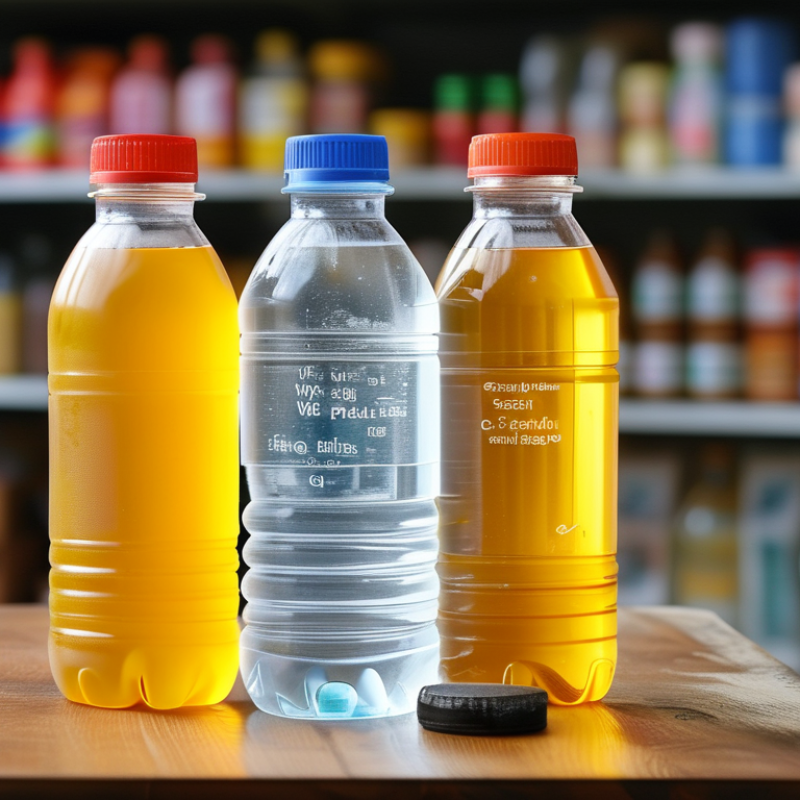
When it comes to food and drink packaging, several plastics are widely used and are considered safe. Polyethylene Terephthalate (PET) is common for water bottles and soft drink containers. It is lightweight, highly recyclable, and does not react with food. Another type, High-Density Polyethylene (HDPE), is found in milk jugs and detergent bottles. HDPE is strong and resistant to impact, making it a reliable choice.
Polypropylene (PP) is often used for food containers and microwaveable dishes. Its heat resistance allows it to handle hot items well. While not as easily recyclable as PET or HDPE, it’s still deemed safe for food contact. Polystyrene (PS), used in foam packaging and disposable cups, raises more concerns. While it's widely used, there are debates about its leaching potential into food.
Tips: Always check the recycling codes on containers. Look for #1, #2, or #5 for safer options. When in doubt, avoid using plastics labeled with #3, #6, or #7. These can sometimes contain chemicals harmful to health. Be mindful of scratches or wear on plastic containers; they may harbor bacteria. Regular checks can maintain safety in your kitchen.
When choosing plastics for food and drink storage, understanding recycling codes is vital. These codes indicate the type of plastic and its potential safety for consumption. For instance, plastics marked with "1" (PET) are common in drink bottles and are generally safe.
They are lightweight and recyclable, which is a significant advantage. "2" (HDPE) is another safe option, often used for milk and juice containers.
However, caution is warranted with certain plastics. The codes "3" (PVC) and "6" (PS) are associated with chemicals that may leach into food. PVC, often used for cling wraps, can carry harmful additives. Polystyrene, commonly found in disposable cups, has also raised safety concerns. People should consider alternatives to these materials.
Not all plastic containers are created equal. Some reusable containers may not clearly display their recycling codes. It’s essential to research and understand the best choices for food storage. Consider options like glass or stainless steel when possible. Choosing safer alternatives can help ensure food remains uncontaminated.
Unsafe plastics pose significant health risks. Chemicals like bisphenol A (BPA) and phthalates can leach into food and drinks. These substances disrupt hormones and may lead to serious health concerns. Research indicates a link between these chemicals and conditions such as obesity, diabetes, and reproductive issues.
Not all plastics are created equal. Some are safer, like polyethylene and polypropylene. They are less likely to release harmful substances. However, many common food containers are made from polyvinyl chloride (PVC) or polystyrene, which can pose risks. Choosing safer options for food storage is crucial.
Many consumers remain unaware of the dangers lurking in their kitchen. Are we truly making informed choices? Labels often lack clarity. When storing or reheating food, remember: not all plastics are safe. Reflect on your habits. Small changes can lead to healthier choices.
When considering food and drink storage, safety is paramount. Numerous studies indicate that not all plastics are created equal. According to the Food and Drug Administration (FDA), plastics like polyethylene (PE) and polypropylene (PP) are generally recognized as safe for food contact. These materials are durable and do not leach harmful chemicals under normal conditions. However, caution is necessary with polyvinyl chloride (PVC) and polystyrene (PS), which can release toxins.
It is vital to use plastic containers designed specifically for food storage. Ensure they are labeled as food-safe. Check for recycling codes on the bottom. Numbers 1, 2, 4, and 5 are often the best choices. Additionally, avoid heating food in plastic containers unless they are marked microwave-safe. The American Chemistry Council notes that heating can cause harmful chemicals to leach into food. It's important to observe proper storage practices.
Cleaning practices also matter. Use mild detergents; avoid harsh chemicals that could compromise the plastic. Storing food at safe temperatures is crucial too. Studies show that leaving food in plastic containers at room temperature for prolonged periods may encourage bacterial growth. Reflecting on these practices can enhance safety in our kitchens.
When considering storage solutions for food and drinks, many people seek alternatives to plastic. Glass containers are an excellent choice. They are non-toxic, reusable, and do not leach harmful chemicals. Use them for fruits, leftovers, or dry goods. Glass also allows you to see the contents easily. However, it's important to handle glass with care to avoid breakage.
Bamboo and stainless steel are gaining popularity as eco-friendly alternatives. Bamboo utensils and containers are lightweight and biodegradable. They can add a rustic charm to your kitchen. Stainless steel is durable and resistant to rust, making it perfect for lunchboxes and water bottles. Keep in mind, though, that stainless steel can retain flavors, so proper cleaning is essential.
Some people explore silicone as a flexible storage option. Silicone bags can replace traditional plastic bags and are safe for freezing. Yet, the long-term safety of silicone remains under debate. It's crucial to research any material before use. Each alternative has its benefits and limitations. Adopting these options might require a shift in habits, but the potential benefits to health and the environment are worth considering.
: Recycling codes tell us the type of plastic and its safety for food storage.
Yes, plastics with the code "1" (PET) are generally safe. They are lightweight and recyclable.
Yes, "3" (PVC) and "6" (PS) may leach harmful chemicals into food. It’s better to consider alternatives.
Glass and stainless steel are safer alternatives for food storage. They don't leach harmful substances.
Unsafe plastics can release chemicals like BPA and phthalates, linked to obesity and hormone disruption.
Use containers labeled as food-safe and check for recycling codes. Codes "1," "2," "4," and "5" are best.
Only heat food in containers marked microwave-safe. Heating can cause harmful chemicals to leach.
Use mild detergents to clean plastic and avoid harsh chemicals that might damage them.
Prolonged storage at room temperature may encourage bacterial growth; keep food at safe temperatures.
No, many remain unaware of potential dangers in their kitchens, which can lead to unsafe choices.
In the discussion of "What plastics are safe for food and drinks," it is essential to understand the types of plastics commonly found in food and drink packaging. These include polyethylene, polypropylene, and polyethylene terephthalate, among others. Identifying safe plastics involves looking at specific recycling symbols and codes, which indicate the materials' safety for food contact. However, certain plastics pose health risks if they leach harmful chemicals into food, making it crucial to be informed about these risks.
To ensure safe usage, adopting best practices for food and drink storage, such as avoiding microwave use with certain plastics and opting for BPA-free products, is recommended. Additionally, exploring alternatives to plastic, like glass or stainless steel containers, can provide more sustainable and safer options for food and drink storage solutions. Overall, understanding what plastics are safe for food and drinks contributes to healthier choices and better environmental practices.
