Bluesky Bottle Bluesky Bottle

How to Safely Dispose of Pesticide Plastic Bottles?

Time:2026-03-16 Author:Henry
0%

Pesticide Plastic Bottles pose significant environmental challenges. According to the Environmental Protection Agency, millions of these bottles are discarded annually. Many end up in landfills or water sources, leading to harmful pollution. As environmental scientist Dr. Elizabeth Green states, "Improper disposal of pesticide bottles can pose risks to both ecosystems and human health."

The process of safely disposing of Pesticide Plastic Bottles is often overlooked. Many users are unaware of the necessary precautions. A reported 70% of consumers do not read disposal instructions on pesticide labels. This lack of awareness can cause severe environmental consequences. Transporting these bottles to designated collection sites is crucial. Yet, only a fraction of discarded bottles make this journey.

In our quest for responsible practices, we must reflect on our habits. The resources exist to guide safe disposal, but many remain unused. Education plays a key role in changing attitudes towards Pesticide Plastic Bottle disposal. As we strive for a greener future, awareness and action are essential.
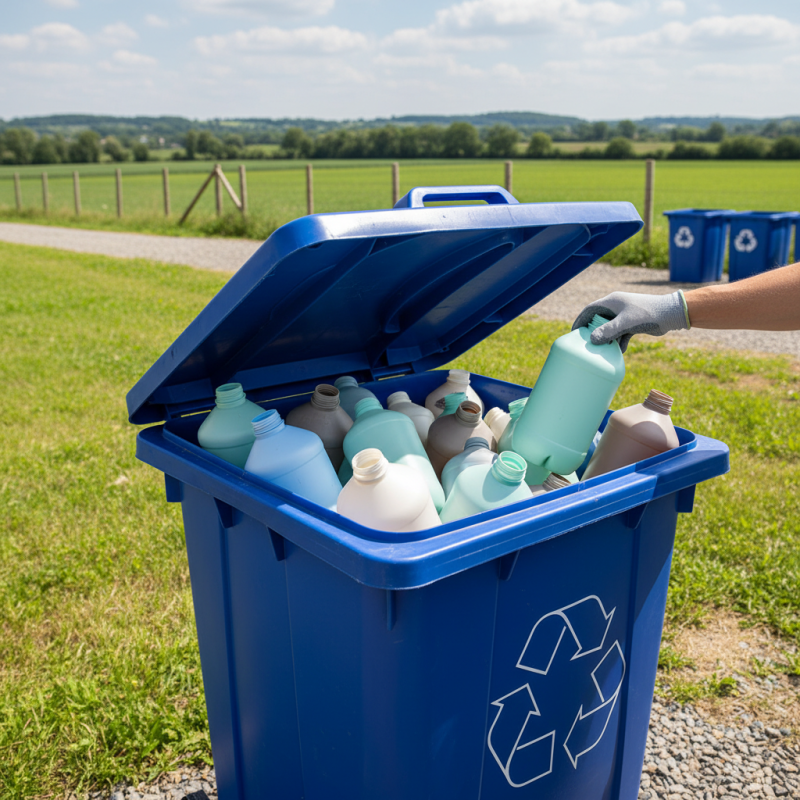
How to Safely Dispose of Pesticide Plastic Bottles?

Overview of Pesticide Plastic Bottle Hazards and Regulations

Pesticide plastic bottles pose significant hazards due to their chemical residue. Nationwide data shows that improper disposal contributes to soil and water contamination. A 2022 report from an environmental organization indicates that nearly 1.5 million pounds of hazardous waste is generated from pesticide containers annually. This statistic emphasizes the urgent need for proper disposal methods.

Regulations for disposing of these bottles vary by region. Many guidelines emphasize triple rinsing bottles before disposal to minimize chemical residue. Some areas require recycling or disposal at designated facilities. Yet, compliance rates remain low. A survey revealed that over 40% of users are unaware of the proper disposal methods. This gap in knowledge can lead to environmental harm.

People often see pesticide containers as just trash. Common practices like throwing them in regular waste can lead to serious issues. Landfill leachate can seep into groundwater, affecting drinking water quality. Reflecting on these habits is essential. It’s crucial to understand that improper disposal has far-reaching consequences for our ecosystems and health.

Preparation Steps Before Disposal of Pesticide Plastic Bottles

When dealing with pesticide plastic bottles, proper preparation is crucial. Many users neglect this step, leading to environmental harm. According to the Environmental Protection Agency (EPA), improper pesticide disposal can contaminate water sources. Begin by checking the label for specific disposal instructions. Rinsing the bottles is vital. Make sure to use an adequate amount of water to dilute residues. A good rule is to rinse three times. Each rinse ensures less chemical remains.

After rinsing, puncturing the bottles can reduce the chance of misuse. This is often overlooked. Puncturing makes it clear that this container should not be reused. The EPA states that nearly 40% of improper disposals stem from reusing old containers. Store the bottles securely until you can dispose of them. Keeping them in a well-defined area minimizes risks. It also prevents accidental exposure.

In some regions, local authorities provide collection sites for hazardous waste. Research your local guidelines. Remember, toxicity remains even in seemingly empty containers. According to data from the National Pesticide Information Retrieval System, up to 2% of container contents can linger. Awareness of these figures reminds us of the importance of responsible disposal.

Safe Cleaning and Rinsing Methods for Pesticide Containers

Cleaning and rinsing pesticide containers is crucial for safety. The first step is to wear protective gear. Gloves and masks are essential. Rinsing should occur as soon as possible after use. It's best to avoid any residue that may linger.

Start with a thorough rinse. Fill the empty container one-quarter full with water. Seal it and shake vigorously for at least 30 seconds. This step loosens the pesticide. After shaking, pour the rinse water into the spray tank or onto a treatment area. Do not discard it on non-target areas.

Repeat the rinsing process two more times. Each rinse should use clean water. Ensure all sides of the bottle are cleaned. After rinsing, store the container in a safe location until disposal. Reflect on your cleaning practices to ensure you minimize any risk. Every action counts when handling potentially hazardous materials.

Proper Disposal Methods for Pesticide Plastic Bottles

Pesticide plastic bottles can be harmful if disposed of improperly. To avoid environmental damage, proper disposal methods are essential. Start by emptying each bottle completely. Rinse them thoroughly with water. This step helps remove residual chemicals. Ensure the rinse water is safe and disposed of according to local guidelines.

After rinsing, never throw these bottles in regular trash. Instead, check for local recycling programs. Some areas have specific recycling options for chemical containers. If recycling is not available, contact local waste management services. They may provide disposal facilities specifically for hazardous materials.

Remember, improper disposal can lead to serious environmental issues. Do not burn or bury pesticide bottles. These actions can release toxins into the soil and air. Reflect on the impact of your actions on the community and ecosystem. Each responsible choice counts toward a healthier planet.

Recycling Options and Environmental Considerations for Pesticide Bottles

Disposing of pesticide plastic bottles requires careful consideration. Not all recycling centers accept these containers. Therefore, it's crucial to check local guidelines before proceeding. Some communities have designated collection days for hazardous materials. These options ensure safe disposal without harming the environment.

Recycling can be a challenge due to contamination. Rinsing out pesticide bottles is essential. However, many people forget this step. Residual chemicals can render bottles non-recyclable. Consider investing in a proper rinsing method. It is necessary to ensure bottles are clean. Also, some local retailers may offer recycling programs. It is worth investigating if this option exists in your area.

Remember, not all plastics are created equal. Some materials take longer to break down. Acknowledging this impacts our environment. While recycling is important, reducing usage is vital. Can you think of alternative pest control methods? Reflection on habits can lead to sustainable choices. The responsibility lies with each individual.

How to Safely Dispose of Pesticide Plastic Bottles?
Disposal Method Description Environmental Considerations
Recycling Many local recycling programs accept pesticide containers if they are cleaned properly. Promotes resource recovery, but contamination must be avoided.
Hazardous Waste Collection Special collection events allow for the disposal of hazardous pesticide containers. Ensures safe handling and processing of harmful substances.
Landfill If no other options are available, some containers can be disposed of in sanitary landfills. Risks leaching into the soil and water if not disposed of properly.
Incineration Burning pesticide containers in approved facilities can reduce waste volume. Must ensure emissions are controlled to prevent air pollution.
Return To Retailer Some retailers have take-back programs for pesticide containers. Supports sustainable practices by keeping materials in the supply chain.

FAQS

: Why is cleaning pesticide containers important?

: It minimizes risks associated with pesticide residue. Safety is a priority.

What gear should I wear when cleaning containers?

Gloves and masks are essential for protection. Safety comes first.

How do I start rinsing a pesticide container?

Fill the container one-quarter full with water. Seal it and shake for 30 seconds.

Can I discard rinse water anywhere?

No, pour it into a spray tank or designated treatment area only.

What should I do after rinsing the bottles?

Store them safely until proper disposal methods are followed.

How should I dispose of empty pesticide bottles?

Rinse them and check for local recycling or disposal options available.

Is burning or burying pesticide bottles safe?

No, these actions can release toxins into the environment.

What should I consider when recycling pesticide containers?

Ensure they are thoroughly rinsed to avoid contamination.

What if my local recycling center doesn’t accept these containers?

Contact local waste management for specific disposal facilities.

How can I contribute to a healthier planet?

Reflect on your choices and consider sustainable pest control practices.

Conclusion

Proper disposal of pesticide plastic bottles is crucial for environmental safety and compliance with regulations. These bottles pose significant hazards if not handled correctly, including risks of contamination and pollution. Before disposal, it's essential to follow specific preparation steps, such as removing any residual pesticide and ensuring that the bottles are empty. Cleaning and rinsing methods should involve triple-rinsing to minimize any leftover chemicals.

After preparation, the proper disposal methods must be adhered to, which may include taking the bottles to designated disposal facilities or following local guidelines for hazardous waste. Additionally, exploring recycling options can help mitigate environmental impact and promote sustainable practices. By understanding and implementing these practices, individuals can effectively and safely manage pesticide plastic bottle disposal while contributing to a healthier environment.

Henry

Henry

Henry is a dedicated marketing professional with a profound expertise in the company's offerings. With years of experience in the industry, he possesses an impressive understanding of the market dynamics and consumer behaviors that drive success. Henry is committed to sharing his insights through......