Bluesky Bottle
Plastic pollution is a pressing global issue. Among various sources of this pollution, plastic bottles stand out. They are convenient but harmful. Every year, millions of plastic bottles end up in landfills or oceans. This raises the urgent question: How to reduce plastic bottle waste effectively?
Understanding this topic requires expertise. Effective strategies can make a real difference. While recycling is important, it often falls short. Many bottles are not recycled properly or at all. Education plays a crucial role in changing consumer behavior. People need to know the impact of their choices.
Communities can implement local initiatives. These can encourage the use of refillable bottles. Public awareness campaigns are also vital. They empower individuals to take action. Reflection on personal habits can lead to meaningful changes. While we may not find perfect solutions, every small effort counts. Let’s explore practical methods to lessen our reliance on plastic bottles.
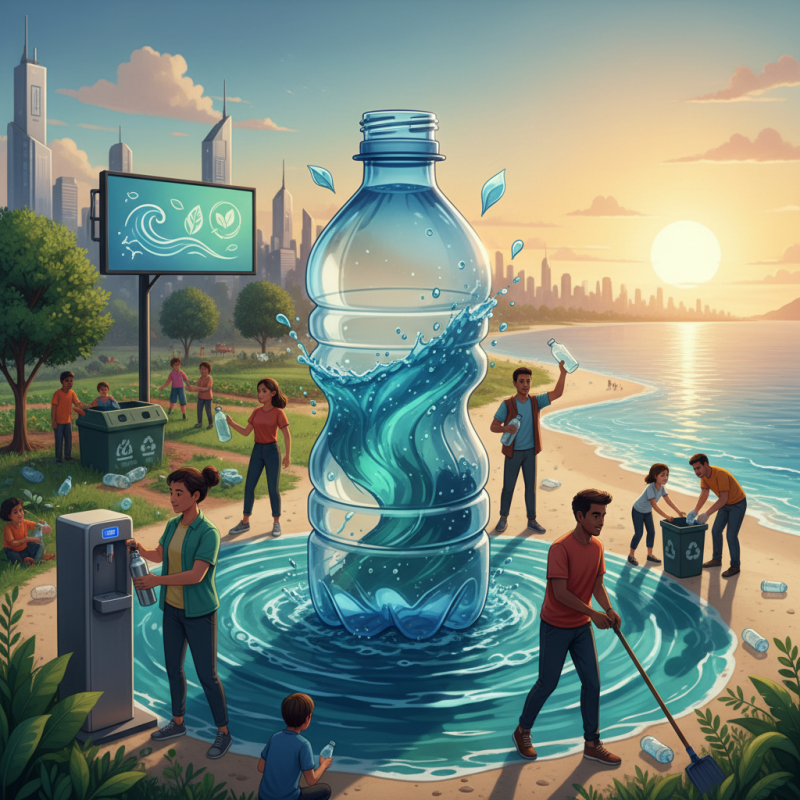
Plastic bottle waste poses a significant threat to the environment. Each year, millions of plastic bottles end up in landfills and oceans. They take up to 450 years to decompose. This pollution harms wildlife and disrupts ecosystems. Sea turtles and birds often mistake plastics for food. As these creatures ingest plastic, their health deteriorates.
To combat this issue, we can implement a few practical tips. First, consider using reusable bottles. They are a sustainable alternative to single-use plastic bottles. Carrying a refillable bottle can drastically reduce your plastic footprint. Second, participate in local recycling programs. Properly sorting and recycling plastic can prevent it from ending up in the ocean. Many communities offer drop-off points for recycling.
Educating others is also crucial. Share information about the harmful effects of plastic waste. Organize community clean-up events to raise awareness. While it might seem like a small effort, each action counts. Reflect on your habits and find ways to improve them. Reducing plastic bottle waste requires collective responsibility. Only together can we create lasting change.
| Year | Plastic Bottle Usage (Billion Units) | Recycling Rate (%) | Environmental Impact (Tons CO2) | Projected Waste Reduction (%) |
|---|---|---|---|---|
| 2023 | 300 | 29 | 150,000 | 5 |
| 2024 | 320 | 32 | 155,000 | 7 |
| 2025 | 340 | 35 | 160,000 | 10 |
| 2026 | 360 | 40 | 165,000 | 12 |
Single-use plastic bottles are a significant environmental concern. According to recent studies, around
1 million plastic bottles are consumed every minute globally. However, many alternatives exist that can help reduce this dreadful statistic.
Reusable bottles made from stainless steel or glass are excellent options. They can last for years and significantly decrease plastic waste. A research report indicates that using a reusable bottle can save over
167 plastic bottles annually. This is a small yet impactful change that everyone can implement in their daily lives.
Tips: Choose biodegradable bottles when possible. Look for options made from plant-based materials. Remember, every small step counts in reducing waste.
Another alternative is drinking from taps or water fountains. Many cities have tapped into this option.
Installing filters for home taps can enhance water quality. Surprisingly, 80% of people trust tap water over bottled water when provided with adequate filtration.
Tips: Always carry a reusable bottle. Invest in a portable water filter if necessary. These changes can simplify hydration while benefiting the environment.
Ultimately, the shift away from single-use plastics is crucial for our planet's health. By embracing alternatives, we can collectively make a difference.
Implementing effective recycling programs is vital for reducing plastic bottle waste. Communities can initiate programs that encourage proper disposal and recycling. Convenience is key; placing recycling bins in strategic locations promotes participation. Educational campaigns will raise awareness about the impact of plastic waste. People need to understand how recycling helps the environment.
However, challenges exist. Many individuals still don’t recycle due to confusion about what can be recycled. Clear guidelines are essential. Recycling stations should display simple instructions. Consistency in messaging can enhance understanding. Local governments and organizations might collaborate to share best practices and resources.
Success stories can inspire others. For example, cities that have integrated recycling in schools see increased participation from families. Yet, we must reflect on our progress. Are we reaching all demographics effectively? Ongoing evaluation of these programs is necessary. Adjustments may be needed to improve outreach and effectiveness.
Communities play a vital role in promoting reusable bottle initiatives. By organizing local events focused on reducing plastic waste, they encourage people to switch to reusable options. For example, hosting community clean-up days can highlight the problem of plastic bottles. This creates awareness and encourages individuals to take action.
Schools can also lead the charge by introducing programs that educate students on sustainability. Workshops on making eco-friendly choices can empower youth. A simple idea is to have students design their reusable bottles creatively. This adds a personal touch, making them more likely to use these bottles daily.
However, not all initiatives succeed immediately. Sometimes, people resist change. It can be frustrating to see plastic bottles still littering our streets. Efforts like providing free reusable bottles during events can help. But, it may take time for the mindset to shift. Continuous education and engagement are crucial. Building a culture of reuse requires patience and reflection on how best to inspire action in our communities.
Plastic bottles are a major contributor to environmental pollution. Globally, over 1 million plastic bottles are purchased every minute. This staggering statistic reflects both consumer habits and a lack of awareness. Educating consumers about sustainable practices can lead to significant reductions in plastic waste. Research indicates that informed consumers are 50% more likely to choose eco-friendly alternatives.
Sustainable choices can take many forms. Consumers can reduce waste by opting for reusable bottles and taking part in local recycling programs. According to the Ellen MacArthur Foundation, only 9% of all plastic is recycled. This emphasizes the need for education on proper recycling methods. Informal recycling can be hindering progress. Most consumers throw away bottles that are recyclable, due to confusion about recycling symbols.
Creating awareness about sustainable choices requires ongoing effort. Workshops, community programs, and social media campaigns can bridge gaps. Insights from the World Economic Forum show that effective education can influence purchasing decisions. Consumers might think they are doing enough, but reflection on habits can reveal room for improvement. Small changes lead to big impacts over time.
: Plastic bottle waste harms the environment and takes up to 450 years to decompose.
Reusable bottles are a sustainable alternative to single-use plastics and help reduce your footprint.
Effective recycling prevents plastic from entering oceans and disrupting ecosystems.
Place recycling bins in convenient locations and educate residents about proper recycling practices.
Confusion about recyclable items leads many to dispose of bottles incorrectly.
Educating oneself about eco-friendly alternatives and participating in recycling programs can help significantly.
Many believe they are making the right choices without realizing they can improve their habits.
Organizing clean-up events and awareness campaigns encourages collective responsibility for the environment.
Informed consumers are significantly more likely to choose sustainable options and reduce waste.
Many people are unaware of how much plastic can actually be recycled, leading to wasted opportunities.
In addressing the pressing question of how to reduce plastic bottle waste, it is crucial to first understand the significant environmental impact that such waste has on ecosystems and wildlife. By identifying alternatives to single-use plastic bottles, such as biodegradable options and reusable containers, communities can take a proactive approach to minimize reliance on plastics.
Implementing effective recycling programs tailored to local needs will also play a vital role in ensuring that discarded bottles are processed appropriately rather than ending up in landfills or oceans. Furthermore, promoting initiatives that encourage the use of reusable bottles, along with educating consumers about sustainable practices, can foster a culture of accountability and care for the environment. Together, these strategies form a comprehensive approach to effectively reduce plastic bottle waste and contribute to a healthier planet.
