In recent years, the debate on what happens to plastic bottles after recycling has gained momentum. China, once the world's largest importer of recyclable materials, has witnessed significant changes in this process. According to a report by the World Economic Forum, approximately 91% of plastic waste never reaches recycling facilities. This alarming statistic highlights the challenges within the recycling industry.
Experts like Dr. Anna Liu, a leading environmental scientist, assert, "Recycling is only as effective as the entire system supporting it." Her insight reflects a broader concern about the efficiency of recycling practices. Many plastic bottles do not make it through the recycling stream, often ending up in landfills instead. The journey of these bottles represents a critical gap in awareness and action.
Moreover, the ethical implications of recycling in China raise questions. Are we truly addressing the plastic crisis, or merely shifting the problem? The success of recycling programs hinges not just on technology but on public participation and industry standards. As we delve into what happens to plastic bottles after recycling, we must confront the complexities within the system.
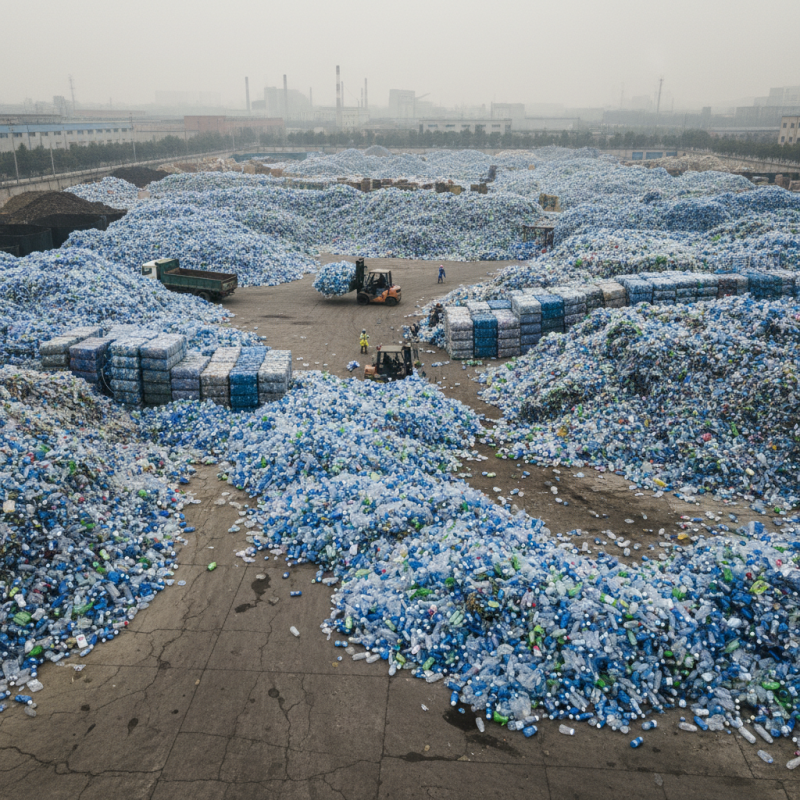
Overview of Plastic Bottle Recycling in China
Recycling plastic bottles in China is a complex process. With the world’s largest population, the demand for plastic recycling is high. Local authorities have developed various systems to manage plastic waste. In urban areas, collection points are common. People are encouraged to drop off bottles for recycling.
However, challenges remain. Not all bottles are easily recyclable. Contamination from food or liquid makes processing difficult. Additionally, many recycling plants lack modern technology. This results in significant amounts of plastic ending up in landfills. There’s also a lack of public awareness about proper recycling practices.
Many citizens are unaware of how to prepare bottles for recycling.
Efforts are being made to improve the situation. Awareness campaigns aim to educate the public on recycling methods. Innovations in recycling technology are also on the rise. However, these changes require time and investment. The journey of plastic bottles in China reflects both progress and setbacks. Each bottle has a story, highlighting the need for sustainable practices.
The Collection Process for Recycled Plastic Bottles
The journey of recycled plastic bottles in China begins with the collection process. Bottle collection occurs at various points, including homes, businesses, and recycling centers. Collectors play a significant role in this process. They gather bottles from public bins or drop-off locations. Often, their efforts rely on community awareness and participation.
In cities, designated bins make collection efficient. However, not all households engage in recycling. This inconsistency can lead to a lower recycling rate. Awareness campaigns could help educate citizens about the benefits of recycling. When people understand the environmental impact, they may recycle more.
Tips: Always rinse bottles before recycling. Residual liquids can contaminate the recycling stream. Additionally, check local guidelines to know what materials are accepted.
The collection process varies across regions. Some areas have organized systems, while others are less structured. This disparity may affect the overall efficiency of recycling. Continuous improvement and investment in collection infrastructure is essential. Communities need to work together to enhance participation.
Sorting and Processing of Recycled Materials
In China, the sorting and processing of recycled plastic bottles play a crucial role in managing waste. The plastic recycling industry in China has been evolving to meet environmental standards. According to a report by the International Recycling Bureau, China recycled over 9.1 million tons of plastic waste in 2020. However, sorting remains a significant challenge in achieving high-quality recycled materials.
Recyclables often become contaminated with non-recyclable items, which affects processing efficiency. A study by the Ellen MacArthur Foundation highlights that improper sorting can lead to 30% of the material being lost. Workers manually sift through piles of plastics, aiming to separate clean PET bottles from other materials. Facilities use advanced technologies, like AI and infrared, to improve sorting accuracy.
To enhance the recycling process, here are a few tips:
- Rinse bottles before recycling. This reduces contamination.
- Remove labels and caps if possible. This aids in better sorting.
- Educate others about proper recycling practices. Awareness is key to improving the system.
Addressing these sorting issues is essential for boosting the recycling rates in China. Without significant improvements, the overall efficiency of plastic recycling may remain inadequate. Further investment in sorting technologies could lead to better material quality.
What Happens to Recycled Plastic Bottles in China? - Sorting and Processing of Recycled Materials
| Step |
Description |
Material Obtained |
Estimated Recycling Rate (%) |
| Collection |
Waste is collected from recycling bins and drop-off centers. |
N/A |
50 |
| Sorting |
Plastics are sorted by type and color, usually using manual and automated processes. |
Separated plastic types (PET, HDPE, etc.) |
70 |
| Cleaning |
Bottles are cleaned to remove labels, adhesives, and residues. |
Clean plastic flakes |
90 |
| Shredding |
Cleaned bottles are shredded into small pieces for easier processing. |
Shredded plastic |
85 |
| Pelletizing |
Shredded plastic is melted and formed into pellets for manufacturing. |
Plastic pellets |
95 |
| Manufacturing |
Recycled pellets are used to create new products. |
New plastic products |
100 |
Challenges Faced in the Recycling Industry
Recycling plastic bottles in China faces numerous challenges. One major issue is the lack of standardization in the processes. Different regions may have varying methods for sorting and processing plastics, which creates inconsistency. This can lead to inefficient recycling paths, as materials may not be handled properly.
Additionally, the infrastructure for recycling is often inadequate. Many local facilities struggle to cope with the volume of waste. They may lack advanced technology to efficiently break down plastics. This can cause delays and increase the amount of waste that ends up in landfills. The quality of recycled materials can suffer as a result.
Another critical challenge is public awareness and participation. Many citizens still do not fully understand the importance of recycling. Educational programs are often limited, leaving gaps in knowledge. As a result, valuable resources are lost, and contamination rates remain high. These issues illustrate the complexity of the recycling landscape in China. It requires ongoing reflection and improvement to create a more effective system.
The Impact of Recycling on the Environment and Economy
Recycling plastic bottles in China has significant implications for both the environment and the economy. The vast quantity of bottles collected from urban areas signifies a growing awareness of waste management. Yet, the process of recycling often faces challenges. Many facilities struggle with contamination in the recycling stream. This leads to higher costs and lower quality of recycled materials.
The economic benefits of recycling are notable. Jobs are created in collection and processing. However, many workers face unsafe conditions and low wages. The shift towards increased recycling programs could enhance local economies. Still, sustainable practices must be implemented to avoid further environmental damage. Education on proper recycling is crucial, as many citizens remain unaware of best practices.
Environmental concerns are intertwined with the recycling debate. While recycling reduces landfill usage, the energy consumed in processing can negate some benefits. Large-scale recycling plants often emit pollutants. This highlights a need for improvement in technology and safety standards. Addressing these issues is essential for fostering a more sustainable recycling system in China.
Conclusion
The process of plastic bottle recycling in China involves several key stages that ensure the effective recovery of materials. Initially, plastic bottles are collected through various means, including curbside pickup and recycling bins. Once collected, these bottles are sorted and processed to separate them from non-recyclables and to prepare them for re-manufacturing. This meticulous sorting is essential to maintain the quality of recycled materials.
However, the recycling industry in China faces significant challenges, such as contamination of recyclable materials and fluctuating market prices for recycled plastics. Despite these obstacles, recycling contributes positively to both the environment and the economy by reducing landfill waste and creating job opportunities. Ultimately, what happens to plastic bottles after recycling is crucial for understanding the broader impacts of recycling practices in China, highlighting the importance of sustainable waste management.
 Bluesky Bottle
