 Bluesky Bottle
Bluesky Bottle
Bluesky Bottle
Recycling plastic bottles is a pressing concern in today's world. Many people are unaware of how to recycle plastic bottles properly. According to Dr. Emily Carter, a waste management expert, “Proper recycling can significantly reduce landfill waste.” Her insight highlights a critical issue we face globally.
When tossing a plastic bottle into the recycling bin, consider its journey. Many bottles end up in landfills due to improper sorting. Often, people forget to rinse bottles or remove caps, leading to contamination. Such mistakes show a gap in understanding recycling practices.
It’s essential to educate ourselves about the correct methods. Recycling not only conserves resources but also protects the environment. However, many individuals still view recycling as an afterthought. We must reflect on our habits and learn how to recycle plastic bottles properly for a healthier planet.
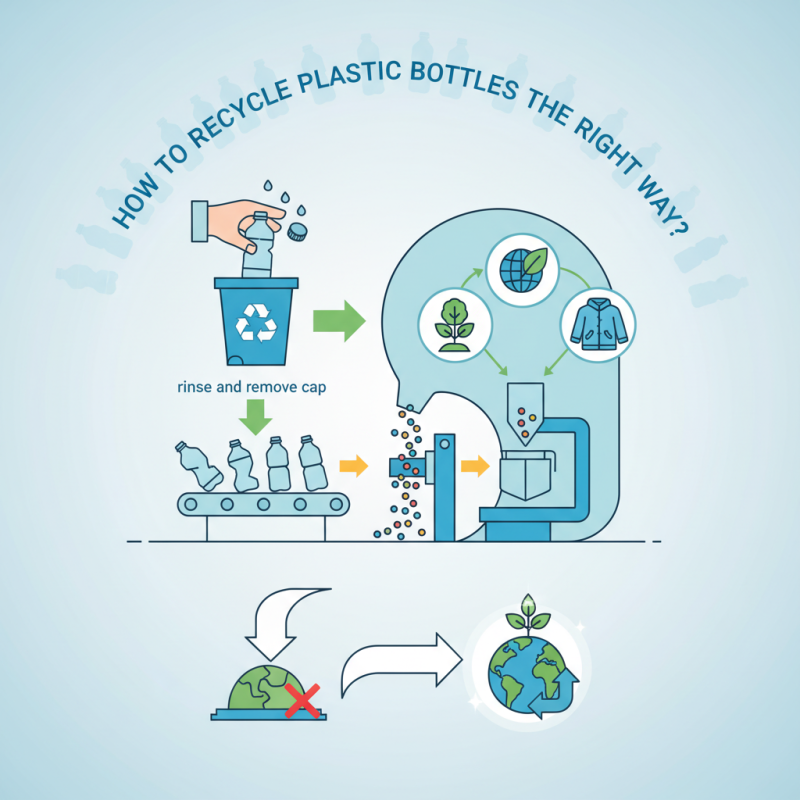
Recycling plastic bottles is crucial for the environment. Every year, millions of tons of plastic end up in landfills. This pollution harms wildlife and ecosystems. It disrupts natural habitats and leads to tragic consequences for many species.
Understanding the importance of recycling is vital. When properly recycled, plastic bottles can be reshaped into new products. This process conserves resources and energy. Yet, many people still toss bottles into the trash. This behavior often reflects a lack of awareness. It's hard to remember what can be recycled. Labels can be confusing, and local rules vary widely.
Education and community involvement can change this. Simple actions, like rinsing out bottles before recycling, make a difference. It’s frustrating when bottles are not accepted due to contamination. We must reflect on our habits and encourage others to join recycling efforts. Every bottle counts in the fight for a cleaner future.
| Recycling Method | Description | Benefits | Challenges |
|---|---|---|---|
| Curbside Recycling | Plastics collected from households as part of regular waste collection. | Convenient, promotes community participation. | Contamination risk, limited to specific types of plastics. |
| Drop-off Centers | Locations where individuals can bring recyclable plastics. | More options for materials, less contamination. | Requires effort to transport materials, may have limited hours. |
| Specialty Recycling Programs | Programs targeting specific plastic types, such as #5 plastics. | Reduces landfill waste, increases recycling variety. | Limited availability, often requires special collection or processing. |
| Upcycling | Transforming used plastics into new products of higher value. | Encourages creativity, reduces waste. | May require skills or tools, not always scalable. |
| Industrial Recycling | Recycling at manufacturing level to reuse plastic in production. | Reduces raw material consumption, lowers production costs. | Requires large-scale processing facilities, costs associated. |
: Recycling plastic bottles prevents pollution. Millions of tons end up in landfills, harming wildlife and ecosystems.
They are reshaped into new products. This process conserves resources and energy, reducing waste.
A lack of awareness is often the reason. Confusing labels and varying local rules contribute to this behavior.
Education and involvement can raise awareness. Simple actions, like rinsing bottles, can lead to better recycling practices.
About 30% are not recycled properly. This is a significant waste of resources and landfill space.
Some areas accept all types of bottles, while others have specific requirements. It's essential to check local rules.
Some facilities may be overburdened. This can lead to contamination and affect recycling effectiveness.
Learn your local recycling rules. Be mindful of what you include in bins to avoid contamination.
Contamination often leads to rejection. It highlights a need to be careful and reflective about our recycling habits.
Correct recycling helps reduce plastic waste in oceans and landfills, contributing to a cleaner future for all.
Recycling plastic bottles is crucial for reducing environmental waste and conserving resources. To understand how to recycle plastic bottles properly, one must first recognize the importance of recycling in mitigating pollution and promoting sustainability. Different types of plastic bottles have specific recycling protocols, so identifying these types is essential for effective recycling.
Preparation plays a significant role in the recycling process; bottles should be rinsed and devoid of labels to ensure they are suitable for recycling facilities. Finding the right recycling centers is vital, as not all locations accept the same materials. Beyond recycling, adopting practices to minimize plastic bottle usage in daily life can significantly contribute to waste reduction. By following these guidelines, individuals can effectively participate in recycling and promote a cleaner planet.
