Bluesky Bottle
The taste of water or beverages can be surprisingly affected by the type of container they are stored in. "Why do plastic bottles change taste" is a question often posed by consumers unaware of the complexities behind it. According to Dr. Emily Hart, a food scientist specializing in packaging, "The interaction between liquid and plastic can alter flavor subtly but significantly." This highlights the need to explore the factors influencing taste changes.
Plastic bottles can release chemicals over time that seep into beverages, leading to unexpected taste shifts. The quality of the plastic used, temperature of storage, and duration of usage all play pivotal roles. Dr. Hart emphasizes that "even minor chemical interactions can drastically transform the sensory profile of a drink."
Many people overlook these nuances, enjoying their drinks without considering the impact of the container. Awareness is key, as consumers deserve to know how their choices affect flavor. Understanding why plastic bottles change taste helps in making informed decisions about hydration options.
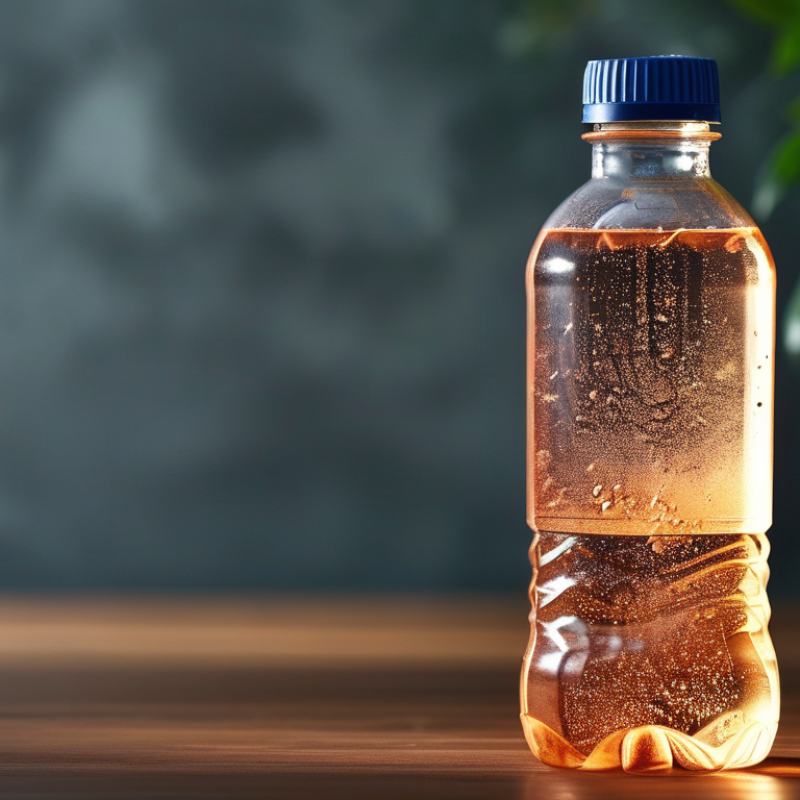
When storing drinks in plastic bottles, taste alteration can occur due to chemical leaching. Chemicals from the plastic can seep into the liquid, especially when exposed to heat or sunlight. This leaching can lead to unpleasant flavors, changing your drinking experience. Research suggests that certain compounds, like antimony and BPA, may interact with beverages, significantly impacting taste.
Storing plastic bottles in a cool, dark place can help reduce the risk of leaching. By keeping them out of sunlight, you lessen the chances of chemical breakdown. Additionally, consider using bottles designed for longer-term use, as they tend to be more stable and less prone to leaching.
Be mindful of the durability of the plastic. Over time, even high-quality bottles can degrade. Regularly check for signs of wear, such as cloudy surfaces or scratches. These imperfections may encourage chemical release, affecting flavor. Awareness of these factors enhances beverage enjoyment while maintaining safety.
Temperature plays a significant role in how plastic bottles affect the taste of beverages. When plastic bottles are exposed to high heat, they can release volatile compounds. This often leads to an unwanted plastic odor or a change in flavor. Hot weather can exacerbate this effect, making the drink less enjoyable. The interaction between heat and plastic can result in a noticeable alteration in taste.
Proper storage is essential in mitigating these changes. Keep your bottled drinks in a cool, shaded area. Avoid leaving them in hot cars or direct sunlight. This simple adjustment can help maintain the original flavor. It is also important to check the expiration dates on bottled drinks to ensure freshness.
If you detect an unusual taste, consider switching to glass or stainless steel containers. These materials do not interact with the contents as plastic does. Regularly monitor how your beverages are stored. Being mindful of the environment and the containers you choose can significantly enhance your drinking experience.
Light exposure plays a crucial role in how bottled beverages taste over time. UV rays from sunlight can degrade the quality of the drink inside the bottle. Chemicals in the plastic react with the light, leading to off-flavors and unpleasant aromas. For example, the taste of a refreshing lemonade can become stale or metallic after prolonged sunlight exposure.
Some beverages, like clear sodas, are particularly vulnerable. The transparent plastic allows more UV light to penetrate. This can cause reactions that change the drink's flavor profile. You might notice a distinct difference after just a few weeks. However, dark or opaque bottles offer better protection against UV rays. But it's not a perfect solution. Even these can suffer taste changes due to other factors, like temperature fluctuations.
People often underestimate how sensitive beverages are to light and heat. A drink left in a car on a sunny day can taste dramatically different than when stored correctly. This shift can be frustrating for many consumers. Awareness is key. Understanding how light affects taste allows better choices in storing and consuming bottled beverages.
When it comes to bottled water, the source significantly impacts flavor perception. Water from different origins has unique mineral compositions. These minerals can alter the sensory experience of drinking. For instance, spring water may have a crisp, refreshing taste. In contrast, well water might offer a heavier, earthy flavor.
Plastic bottles themselves can also influence taste. Chemical leaching from the packaging may interact with water, altering its properties. This can create unwanted flavors, especially in warmer temperatures. Awareness of these factors is crucial for enjoying your drink fully.
**Tips:** Opt for glass or stainless steel containers to minimize flavor changes. Always store bottled water in a cool, dark place. Regularly assess your water source as changing it may enhance the taste immensely. Experimenting with different brands can also help identify preferences.
Microbial growth is a significant factor in how plastic bottles can alter the taste of beverages over time. When left unopened for extended periods, conditions inside the bottle can become favorable for bacteria and fungi. These microorganisms may thrive in certain environments, especially with organic compounds present. The growth of these microbes can lead to off-flavors and odors. Often, people are unaware of the impact this can have on taste.
Studies suggest that the material of plastic bottles can also play a role in taste changes. Chemicals in the plastic may leach into the liquid, especially under heat or sunlight exposure. This interaction can change the flavor profile, making it less refreshing or even unpleasant. Additionally, not all bottle materials are the same, leading to variability in taste after prolonged storage. It's important to consider how long beverages are stored in plastic bottles.
Cleaning methods are crucial but often overlooked. Many individuals do not sanitize their bottles after the first use. This oversight allows germs to flourish, even if containers appear clean. Rinse and refill might not be sufficient if microbial contamination isn't addressed. Understanding these factors can help consumers make informed choices about long-term storage of beverages in plastic bottles.
: Chemical leaching from the plastic can alter the taste, especially with heat and sunlight exposure.
Chemicals from the plastic seep into the liquid over time, especially when exposed to heat.
Compounds like antimony and BPA may interact with beverages, impacting their flavor significantly.
Store plastic bottles in a cool, dark place to minimize light exposure and heat.
Yes, clear sodas are particularly vulnerable to UV rays, which can alter their flavor profile.
Look for cloudy surfaces or scratches, as these imperfections may encourage chemical release.
Dark bottles offer some protection but can still experience taste changes due to temperature fluctuations.
Awareness helps consumers make better choices, preserving beverage taste and safety over time.
Yes, some beverages can taste different after just a few weeks of improper storage.
Storing drinks in a hot car can cause dramatic flavor shifts, frustrating consumers.
The article explores the question, "Why do plastic bottles change taste?" by examining various factors that contribute to flavor alterations in bottled beverages. One significant aspect is potential chemical leaching from the plastic material, which can release compounds that affect taste. Additionally, temperature plays a crucial role, as elevated heat can enhance plastic odors and further alter flavor perception.
Light exposure, particularly from UV rays, is another factor that can lead to changes in taste by breaking down certain compounds within the liquid. The source of the water itself can also influence flavor, as varied mineral content may react differently when stored in plastic. Lastly, prolonged storage in plastic bottles can create an environment conducive to microbial growth, leading to undesirable taste changes over time. Overall, these elements collectively answer the critical question regarding the taste changes associated with plastic bottles.
