In the complex world of global sourcing, understanding what affects the quality of plastic bottles is paramount. Dr. Emily Carter, a leading expert in sustainable packaging, emphasizes the significance of material selection. She states, "The quality of materials directly impacts the life cycle and safety of plastic bottles." This highlights a critical point in the industry.
Various factors contribute to the quality of plastic bottles. The source of raw materials, production processes, and quality control measures all play significant roles. Each decision made during production can impact the final product. This raises questions about the balance between cost-saving and maintaining quality. Often, companies may prioritize lower costs over quality, leading to long-term issues.
Additionally, factors such as environmental standards and waste management practices cannot be overlooked. They are essential for ensuring that the bottles produced meet regulatory requirements. However, not all producers adhere to these standards. This inconsistency can lead to unreliable products flooding the market. Consequently, the industry faces challenges in achieving a baseline quality that consumers can trust.
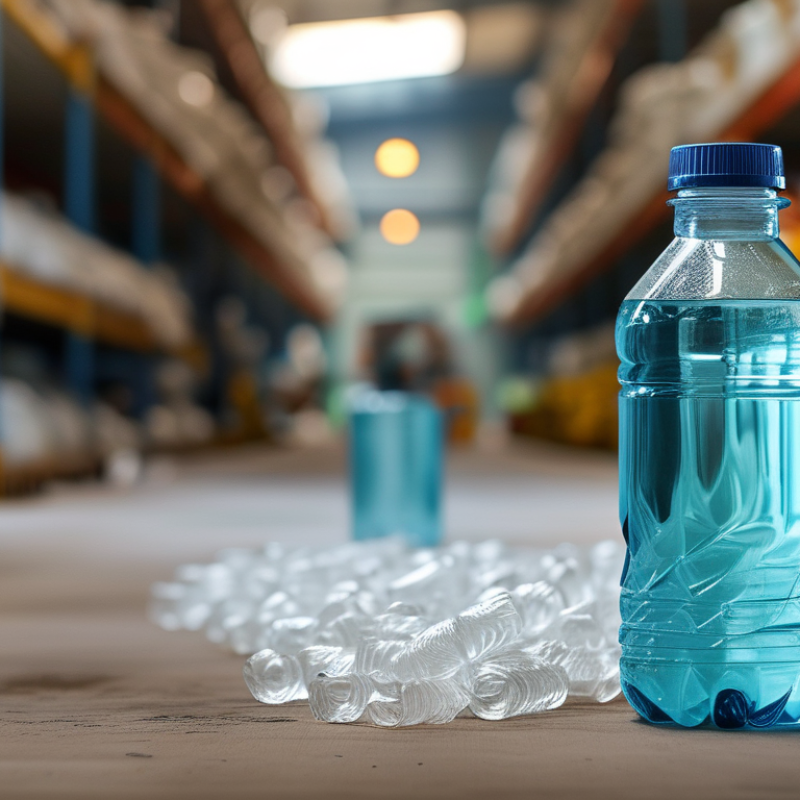
Factors Influencing Raw Material Selection for Plastic Bottles
The quality of plastic bottles is heavily influenced by the selection of raw materials. According to a report by the
International Plastics Association, over 90% of global plastic production is derived from fossil fuels.
This reliance on petroleum-based resources raises concerns about sustainability. As consumers grow more eco-conscious, the demand for biodegradable materials is on the rise.
Additives and recycled content also play crucial roles in determining bottle quality. Research indicates that using recycled plastics can improve stiffness but may reduce clarity.
This trade-off poses challenges for manufacturers who aim to balance sustainability and visual appeal.
Some materials may not perform consistently, raising concerns about long-term safety.
Empirical data from recent industry studies show that nearly 30% of manufacturers report issues related to material degradation.
This degradation often stems from inconsistent sourcing practices. Factors such as supplier reliability and environmental conditions can affect
material quality significantly. Brands need to evaluate their suppliers carefully, as inconsistent raw material can lead to product failures.
Impact of Manufacturing Processes on Plastic Bottle Quality
The quality of plastic bottles is significantly influenced by various manufacturing processes. Thermal stability during production plays a crucial role. High temperatures can degrade the polymer chains in plastics, leading to weak bottles. Data indicates that improper temperature control can reduce bottle strength by up to 30%. This may result in containers that fail under pressure or during transportation.
Another critical factor is the choice of materials used in production. The resin type impacts the final product's durability and chemical resistance. For instance, polyethylene terephthalate (PET) is known for its excellent barrier properties, yet low-grade PET may compromise quality. Reports show that 15% of recycled PET materials contain impurities that weaken the bottle structure. Contaminants can lead to variations in thickness, making some sections prone to cracking.
Lastly, the molding techniques employed greatly affect the uniformity and integrity of plastic bottles. Compression molding can provide greater consistency, yet it is often overlooked in favor of quicker methods. Inefficient processes can introduce defects, reducing the reliability of the final product. A documented 20% of bottles produced with injection molding exhibit inconsistencies that could impact performance. These details highlight the need for continuous improvement in manufacturing practices to ensure bottle quality in global sourcing.
Impact of Manufacturing Processes on Plastic Bottle Quality
Role of Quality Control in Global Sourcing of Plastic Bottles
Quality control plays a crucial role in the global sourcing of plastic bottles. It encompasses a series of processes that ensure products meet specific standards. This is vital for maintaining safety and performance throughout the supply chain. When sourcing globally, variations in manufacturing practices can introduce inconsistencies. A robust quality control system can help bridge these gaps.
Implementing effective quality control involves detailed inspections and testing. This includes checking raw materials and production methods. However, challenges often arise due to communication barriers and cultural differences. Factors like local regulations may also affect compliance. Companies must confront these hurdles to ensure consistent quality.
Feedback from inspections is essential. It helps identify flaws and areas for improvement. Many manufacturers face difficulties in addressing quality issues promptly. Delays can result in significant financial loss. Therefore, creating a culture of accountability is necessary. Companies need to learn from mistakes to strengthen their quality assurance processes.
Environmental Regulations Affecting Plastic Bottle Standards
Environmental regulations play a crucial role in shaping the quality standards of plastic bottles. These regulations vary significantly across regions. In some countries, strict laws focus on recyclability and the use of sustainable materials.
These rules demand that manufacturers adjust their processes. Compliance can lead to innovations in bottle design and material selection. However, it can also be a challenge for companies that cannot meet these standards.
Many businesses struggle with balancing cost and compliance. Some may cut corners, leading to subpar products. This situation often results in bottles that fail under pressure or degrade faster than expected.
Companies must invest in quality control to ensure their bottles meet environmental requirements without sacrificing performance.
Tips: Monitor changing regulations in your target markets. This helps you stay compliant and competitive. Another tip is to prioritize sourcing materials from suppliers who follow eco-friendly practices.
Educating staff about regulations can also enhance overall quality control. Embracing these practices fosters both environmental responsibility and product integrity.
Supply Chain Considerations in Maintaining Bottle Quality Across Borders
The quality of plastic bottles in global sourcing is greatly affected by supply chain dynamics. Maintaining quality across borders is a complex task. Different countries have varying standards for materials and processes. Ensuring compliance with these standards is critical for maintaining bottle integrity.
Transportation adds another layer of complexity. Bottles can suffer damage during long journeys. Temperature and humidity fluctuations can impact material properties. Companies must monitor conditions closely to minimize these risks. Using real-time data analytics helps in tracking shipment conditions.
Supplier relationships are vital for quality assurance. Regular audits can be beneficial, but they are often inconsistent. Some suppliers might not adhere to the same quality standards. This inconsistency can lead to challenges in production. Addressing these issues requires constant vigilance and open communication among all stakeholders involved in the sourcing process.
FAQS
: Quality control ensures plastic bottles meet safety and performance standards during global sourcing.
Communication barriers and cultural differences often create challenges in maintaining consistent quality.
Creating a culture of accountability helps companies learn from mistakes and improve quality assurance.
Regulations can dictate recyclability and sustainable material use, impacting how manufacturers design bottles.
Companies may struggle, potentially cutting corners, which leads to low-quality products that fail.
Monitor local regulations and prioritize eco-friendly suppliers to stay competitive and compliant.
Manufacturers often face difficulties addressing quality issues due to delays and lack of feedback.
Feedback helps identify flaws and areas for improvement, crucial for enhancing product quality.
Non-compliance can result in regulatory penalties and damage to brand reputation, affecting sales.
Educating staff on regulations enhances awareness and ultimately improves overall quality control practices.
Conclusion
The quality of plastic bottles in global sourcing is influenced by several key factors that encompass various stages of production and regulation. First, the selection of raw materials is critical, as it determines the durability and safety of the final product. Additionally, the manufacturing processes employed, including molding and finishing techniques, significantly impact the overall quality of plastic bottles. Effective quality control measures are essential throughout the sourcing process to ensure that standards are consistently met.
Moreover, environmental regulations play a pivotal role by imposing standards that manufacturers must adhere to, promoting sustainability and safety in plastic bottle production. Lastly, supply chain considerations are vital for maintaining bottle quality across borders, as variations in logistics and handling can affect the integrity of the products. In summary, understanding "what affects the quality of plastic bottles" involves a comprehensive look at raw materials, manufacturing practices, quality assurance, regulatory compliance, and supply chain management.
 Bluesky Bottle
