Bluesky Bottle
Recycling plastic bottles is not just a responsibility; it's a global necessity. How to recycle plastic bottles properly is a question many face. The process is crucial in combating pollution and reducing waste. Post-consumer plastic has become a significant environmental concern, and effective recycling can help mitigate damage.
While many people attempt to recycle, not everyone is informed about the proper techniques. Proper preparation of the bottles is essential. Rinsing out containers removes residues that can contaminate the recycling stream. Additionally, removing caps and labels may be required in some regions. However, many still overlook these steps, risking entire batches of recyclables.
As global buyers increasingly demand sustainable materials, understanding how to recycle plastic bottles properly is vital. Educating ourselves and others on effective methods can lead to better environmental outcomes. Transparency in this process is key. Mistakes can hinder progress, so we must reflect on our practices and always strive for improvement. Every effort counts in making recycling a successful practice.
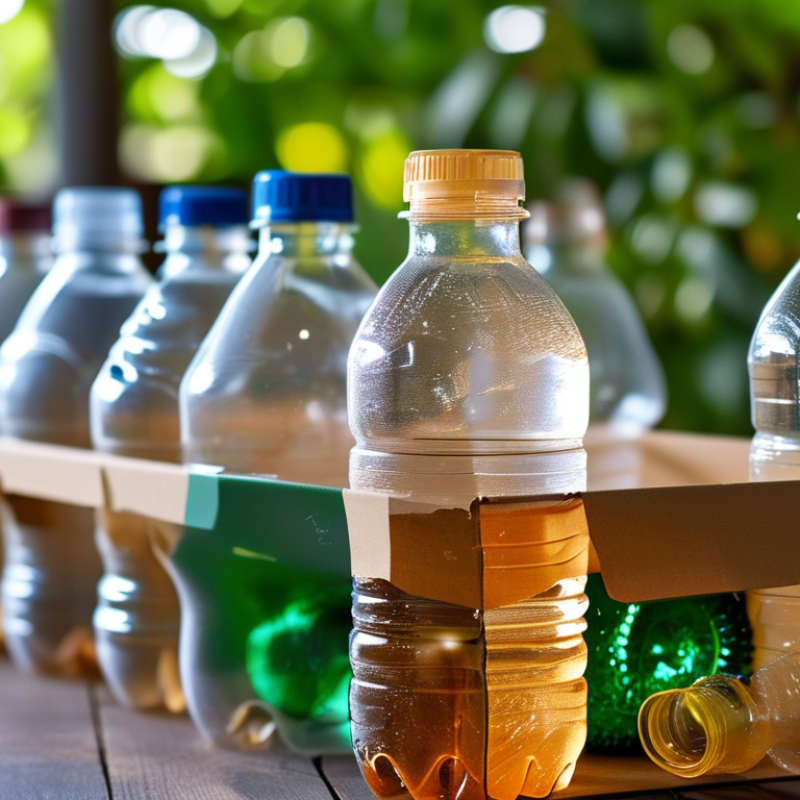
Recycling plastic bottles is crucial for environmental health. In 2022, an estimated 300 million tons of plastic were produced globally. Only 9% of this plastic was ever recycled. This alarming statistic highlights the gap between plastic usage and recycling efforts. Plastic bottles often end up in landfills, taking hundreds of years to degrade.
Understanding the importance of recycling plastic bottles extends beyond environmental impact. It directly influences the economy. The recycling industry supports over 1.1 million jobs in the United States alone. Additionally, recycled plastics can save 66% of energy compared to virgin plastic production. These figures show that recycling is not just an environmental necessity; it’s also an economic opportunity.
Despite progress, challenges remain. Many consumers lack knowledge about proper recycling methods. Contamination of recyclables is a significant issue, often leading to whole batches being discarded. Not all plastic is created equal. Different types of plastics require unique recycling processes, which can complicate efforts. This inconsistency raises questions about the effectiveness of current recycling systems. More education on recycling practices could help bridge this gap and increase recycling rates.
Recycling plastic bottles starts with identifying the type of plastic. The most common plastics include PET, HDPE, and PVC. Each type has unique properties and recyclability. For instance, PET, found in water and soda bottles, is widely accepted for recycling. It's easy to process, making it a top choice for recyclers.
HDPE, often used in milk jugs and detergent bottles, is also recyclable. Many municipalities have strong recycling programs for HDPE. However, PVC, used in some plumbing pipes and certain packaging, is much less commonly recycled. This can lead to confusion among consumers. Not all recycling facilities accept PVC, so check local guidelines.
Understanding these differences is crucial for effective recycling. Some bottles contain mixed plastics that aren't recyclable. This can create challenges in recycling programs. Consumers must be mindful and sort their bottles properly. Even a small mistake can disrupt the entire recycling process. By educating ourselves about these plastics, we contribute to more efficient recycling systems.
Recycling plastic bottles is essential for reducing waste. Many people simply toss these bottles into the trash. However, proper preparation is crucial for effective recycling.
Begin by rinsing your plastic bottles to remove any residue. This can prevent contamination during the recycling process. Keep the caps on, as they can be recycled too. Flattening the bottles can save space in your recycling bin. Yet, be cautious: some recycling facilities prefer bottles to remain intact.
Check local guidelines for specific recycling rules. Many areas have different requirements for what can be accepted. Remember, not all plastics are recyclable. This inconsistency can lead to confusion, so staying informed is key. By taking these steps, you contribute to a cleaner environment. But remember, there's always room for improvement. Emphasizing awareness can make a difference.
This bar chart illustrates the recycling rates of plastic bottles across different countries in 2022. As observed, Japan has the highest recycling rate at 84%, while the United States shows a significantly lower rate at 29%. This data highlights the variation in recycling practices and the importance of global efforts to improve plastic waste management.
Finding local recycling facilities is vital for responsible plastic bottle disposal. Many communities have dedicated centers for recycling. You can start by checking your city’s official website. There, you’ll often find a list of nearby recycling locations. Some may even accept non-bottle plastics, so don’t overlook that information.
Local waste management services frequently provide details on their recycling programs. These services may schedule special collection days for plastic bottles. If you have bottle caps, be aware they may not be recyclable in your area. Always rinse bottles before recycling them to avoid contamination, which can disrupt the recycling process.
Community events often focus on recycling education. Participating in such events can enhance your understanding. Talk to local environmental groups, as they can guide you to nearby resources. Reflect on your local recycling options. Are you making the most of them? Consider how small actions collectively impact the environment.
Engaging global buyers in sustainable recycling practices requires clear communication and effective strategies.
Over 300 million tons of plastic are produced each year, and much of it ends up in landfills instead of being recycled. Buyers increasingly demand transparency around sustainability efforts. They seek suppliers who prioritize responsible recycling methods.
A recent survey highlighted that 70% of consumers are willing to pay more for sustainably sourced products. This reflects a growing emphasis on environmental responsibility.
Businesses can enhance their appeal by implementing easy-to-follow recycling instructions on their websites and packaging. Providing clear, actionable steps helps buyers understand how to properly recycle plastic bottles.
Moreover, effective partnerships with local recycling facilities can improve recycling rates. Many collectors are not aware of the specific types of plastics that can be recycled, leading to contamination.
Educating buyers about proper sorting methods can minimize these issues. Adopting a proactive stance on recycling not only attracts global buyers but also builds a community focused on sustainability.
This approach brings both challenges and rewards. Organizations must continuously evaluate and adapt their practices to meet changing consumer expectations and regulatory landscapes.
: The most common types are PET, HDPE, and PVC. Each has unique properties and recyclability.
Yes, PET is widely accepted for recycling. It is easy to process and popular among recyclers.
HDPE is recyclable too. Many communities have effective recycling programs for this type of plastic.
No, not all plastics are recyclable. PVC, for instance, is less commonly accepted and might confuse consumers.
Check your city’s official website for recycling locations. Many communities provide lists for easy reference.
Yes, always rinse bottles to avoid contamination. Contaminated items can disrupt the recycling process.
Be cautious, as bottle caps may not be recyclable in your area. Check local guidelines for guidance.
Yes, community events can enhance your recycling knowledge. They offer a chance to learn and ask questions.
Sorting is crucial. Even minor mistakes can adversely affect the recycling process. Be mindful of what you recycle.
Small recycling efforts collectively contribute to a healthier environment. Reflect on how your actions matter.
Recycling plastic bottles is crucial for environmental sustainability and can significantly reduce waste. Understanding the importance of recycling plastic bottles starts with identifying the different types of plastics and their recyclability. Each type of plastic has its own recycling process, making it essential for individuals and businesses to know how to recycle plastic bottles properly to maximize their positive impact.
A step-by-step guide to preparing plastic bottles for recycling includes rinsing out any residue, removing caps, and flattening the bottles to save space. To effectively engage global buyers in sustainable recycling practices, one should not only be aware of local recycling facilities but also promote the benefits of responsible recycling. By sharing knowledge and resources, we can foster a collective effort towards a greener planet, ensuring that everyone understands how to recycle plastic bottles properly.
