Bluesky Bottle Bluesky Bottle

How to Prevent Plastic Bottles from Becoming Brittle?

Time:2026-08-09 Author:Aria
0%

Plastic bottles are widely used in our daily lives, but many people wonder, "Why do plastic bottles become brittle?" Understanding the factors behind this brittleness is crucial for preventing it. Over time, exposure to light, heat, and even certain chemicals can weaken plastic materials.

Brittle bottles not only pose a risk of breaking but can also compromise safety during use. Additives that enhance flexibility can degrade under harsh conditions. This leads to the loss of structural integrity. Regular usage cycles further stress the material, making it critical to assess bottle care.

To extend the lifespan of plastic bottles, it’s essential to store them properly and avoid extreme temperatures. Keeping them out of direct sunlight can slow down the degradation process. Additionally, regular inspection for signs of wear can help identify potential issues early. A proactive approach is needed to ensure that your plastic bottles remain durable and effective.
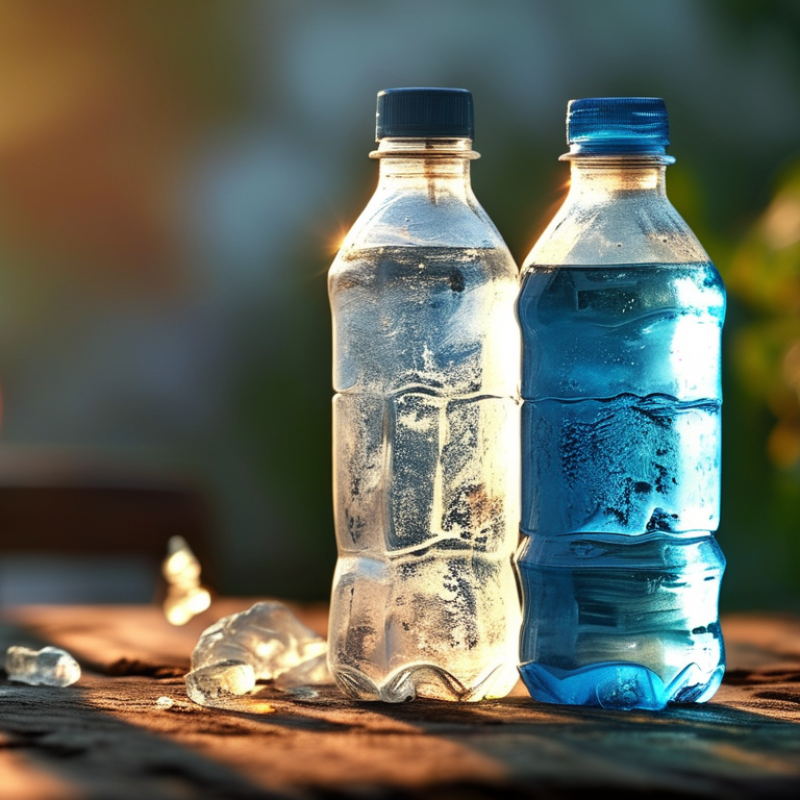
How to Prevent Plastic Bottles from Becoming Brittle?

Understanding the Causes of Brittleness in Plastic Bottles

Brittleness in plastic bottles is often caused by environmental factors and the material's chemical properties. Over time, exposure to UV light can degrade plastic. Studies indicate that about 40% of plastic failures occur due to UV exposure. Additionally, heat can accelerate the breakdown of polymers, increasing brittleness.

To counter this, manufacturers can implement strategies such as using UV stabilizers. These additives protect against UV damage and reduce brittleness. Regular checks on storage conditions are essential. Bottles should be stored in cool, dark locations to minimize heat and UV exposure.

Here are some tips to prolong the life of plastic bottles:

- Avoid leaving bottles in direct sunlight.
- Keep them away from high temperatures, like car interiors.
- Regularly inspect for any signs of flexibility loss.

By understanding these factors, we can create better practices for using and storing plastic bottles, leading to enhanced durability.

Understanding the Causes of Brittleness in Plastic Bottles

This chart illustrates the factors contributing to brittleness in plastic bottles. The data shows the percentage impact of various stressors over time.

Factors Affecting the Longevity of Plastic Bottles

Plastic bottles are commonly used, yet their durability is often overlooked. Several factors impact their longevity, particularly environmental conditions and material composition. Research indicates that exposure to UV light accelerates the breakdown of plastics. A study published in Environmental Science & Technology revealed that UV exposure can reduce the lifespan of polyethylene bottles by over 50% in just six months.

Temperature fluctuations also play a crucial role in how plastic bottles age. Heat contributes to the molecular breakdown of plastic, making it brittle and prone to cracking. For instance, keeping bottles in a hot car can lead to structural integrity loss. According to the American Plastics Council, nearly 30% of plastic waste is generated from premature bottle failure due to improper storage.

Additionally, the recycling process can affect plastic's resilience. Bottles that have been recycled multiple times may have altered material properties. This raises questions about the reliability of recycled products. It's essential to consider how often plastic is reused and the conditions in which it is stored. Awareness of these factors can lead to better practices and improved longevity for plastic bottles.

Best Practices for Storing Plastic Bottles

Proper storage of plastic bottles is crucial in preventing them from becoming brittle over time. Studies suggest that exposure to heat and sunlight can degrade plastic materials, leading to brittleness. According to the American Chemistry Council, prolonged exposure to UV light can reduce the lifespan of plastic by up to 50%. It is essential to keep plastic bottles in cool, dark places to extend their usability.

Temperature plays a significant role in the longevity of plastic bottles. The ideal storage temperature is between 50°F to 70°F. When stored at higher temperatures, plastic can lose its flexibility. The Environmental Protection Agency noted that fluctuating temperatures can also contribute to stress on the plastic structure. Use of airtight containers can mitigate moisture and further damage.

Choosing the right type of container for storage matters as well. Not all plastics are the same; some hold up better under various conditions. When reusing bottles, inspect them regularly. Even minor signs of wear can indicate potential brittleness. It's necessary to be mindful of these factors to ensure safety and longevity in plastic bottle usage.

Choosing the Right Materials for Durable Plastic Bottles

When it comes to ensuring the durability of plastic bottles, the choice of materials plays a crucial role. Research indicates that certain polymers significantly outperform others in terms of longevity and resistance to brittleness. For instance, high-density polyethylene (HDPE) is commonly favored for its strength and resilience. According to a report by the American Plastics Council, HDPE can withstand temperature fluctuations without compromising its structural integrity.

Interestingly, additives can enhance the performance of plastic bottles. UV stabilizers are one such example. These compounds protect bottles from sunlight, which can lead to brittleness over time. A study published in the Journal of Polymer Science highlights that adding just 0.5% of UV stabilizers can increase shelf life by over 30%. However, not all manufacturers prioritize these enhancements. Some may cut costs and opt for cheaper, less durable materials.

Bottles made with polycarbonate may seem solid initially, but they become fragile over time, especially with repeated use. A report from the Environmental Protection Agency points out that polycarbonate plastics can undergo hydrolysis. This process weakens the material, leading to cracks. The industry must address these shortcomings to improve durability. It’s essential to balance cost and performance for long-term solutions in plastic bottle production.

Guidelines for Recycling and Disposal of Plastic Bottles

Recycling plastic bottles properly can significantly reduce their environmental impact. It is essential to rinse bottles before disposal. Residual liquid can contaminate recycling streams. Use warm soapy water for effective cleaning. A clean bottle is more likely to be recycled correctly.

Check local guidelines for recycling specific plastic types. Different regions have different rules. Ensure you are aware of which plastics are accepted in your area. Some bottles may have codes that indicate their recyclability. Remove caps and labels, as they can disrupt the recycling process.

While recycling is vital, not all plastic bottles get processed. Awareness of their disposal is crucial. Before discarding, consider reusing or repurposing bottles. They can serve as planters or storage containers. Simple solutions can extend their life and reduce waste. Educating your community about responsible disposal practices fosters a more sustainable environment.

FAQS

: What factors affect the lifespan of plastic bottles?

: Factors include UV exposure, temperature changes, and material composition.

How does UV light impact plastic bottles?

UV light can reduce the lifespan of polyethylene bottles by over 50% within six months.

Why do temperature fluctuations matter for plastic bottles?

Heat breaks down plastic, making it brittle. Bottles left in hot cars may lose structural integrity.

How does recycling influence plastic durability?

Recycled bottles may have altered material properties, affecting their resilience and reliability over time.

What materials are best for durable plastic bottles?

High-density polyethylene (HDPE) is often preferred for its strength and ability to handle temperature changes.

Can additives improve the durability of plastic bottles?

Yes, UV stabilizers enhance performance by protecting bottles from sunlight, increasing shelf life significantly.

Are all plastic bottles created equal?

No, some manufacturers may use cheaper materials that compromise durability, prioritizing cost over quality.

What issues arise with polycarbonate bottles?

Polycarbonate bottles can weaken over time due to hydrolysis, leading to cracks after repeated use.

How can I ensure better longevity for plastic bottles?

Store bottles away from sunlight and extreme temperatures, and choose higher quality materials when possible.

Why is awareness of storage conditions important?

Proper storage can significantly improve the lifespan of plastic bottles and reduce premature waste.

Conclusion

Plastic bottles are widely used but can become brittle over time, raising the question, "Why do plastic bottles become brittle?" This brittleness is primarily caused by environmental factors such as UV exposure, temperature fluctuations, and the age of the plastic material itself. Additionally, additives and processing techniques contribute significantly to the degradation process, ultimately affecting the longevity of the bottles.

To prevent brittleness, it is essential to follow best practices for storage, keeping bottles in cool, dark places away from direct sunlight. Choosing high-quality, durable materials during manufacturing can also enhance the lifespan of plastic bottles. Furthermore, responsible recycling and disposal practices ensure that plastic waste does not contribute to environmental issues, offering a sustainable approach to managing plastic bottle usage. By understanding these factors and taking proactive measures, we can effectively mitigate the brittleness of plastic bottles.

Aria

Aria

Aria is a dedicated marketing professional with a deep passion for innovative strategies and a keen understanding of our company's product offerings. With a wealth of experience in the industry, Aria excels at crafting engaging content that highlights the unique features and benefits of our......