Bluesky Bottle
Plastic bottles are an integral part of modern life. They are lightweight, durable, and convenient. But why are plastic bottles so widely used? According to Dr. Sarah Johnson, a noted environmental scientist, "The versatility of plastic bottles keeps them in demand globally." Her words resonate as we see plastic bottles everywhere: at home, in stores, and on the go.
Their appeal lies in several factors. Plastic bottles are affordable and easily produced. Many industries rely on them for packaging beverages and household products. However, this convenience comes with hidden consequences. The environmental impact is significant. Plastic pollution is a growing crisis. Many bottles end up in oceans and landfills, harming ecosystems.
Moreover, the long lifespan of plastic means it doesn’t decompose easily. Society's addiction to plastic needs reflection. People must consider alternatives. Choosing recyclable or reusable options can reduce waste. The question remains: how long can we continue to prioritize convenience over the health of our planet? The ongoing reliance on plastic bottles calls for a serious reconsideration of consumer habits and environmental responsibility.
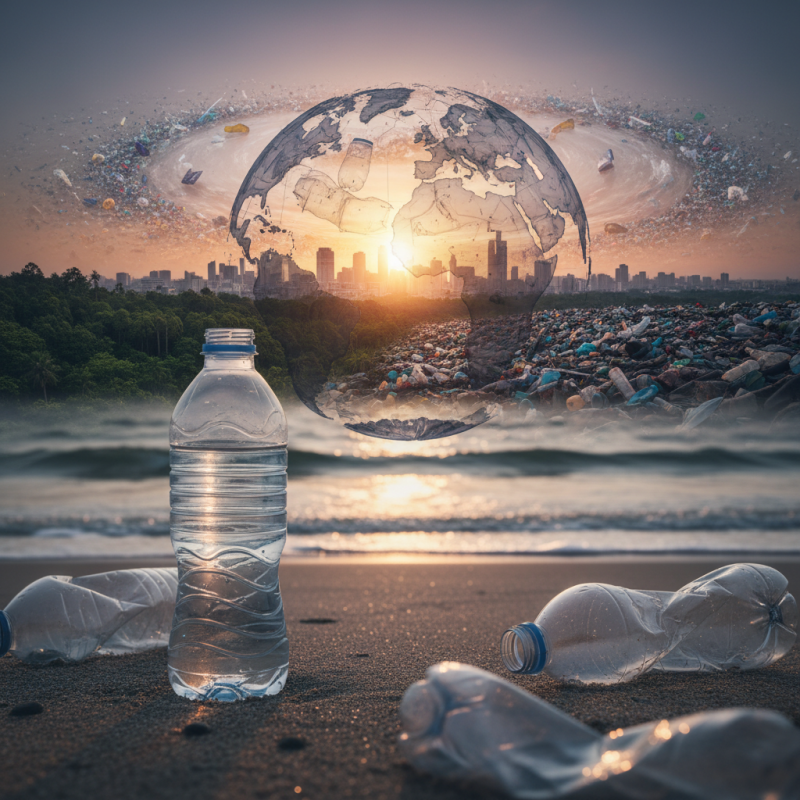
Plastic bottles have become a fixture in our daily lives. Their rise can be traced back to the mid-20th century. Back then, manufacturers sought convenient and lightweight packaging. The packaging industry boomed. Reports from the World Economic Forum reveal that about 1 million plastic bottles are purchased every minute. That's a staggering statistic!
Despite their popularity, the environmental consequences are serious. Most plastic bottles are single-use, contributing to pollution. A major study showed that only 9% of plastic ever produced has been recycled. This raises concerns about sustainability in consumer culture. We celebrate convenience, yet we often overlook the long-standing impact on our planet.
Tips:
Consider carrying a reusable water bottle. This small change can significantly cut down on waste. Look for alternatives, like glass or metal. They can be both functional and stylish without the negative footprint. Reflect on your habits, and make conscious choices. Every small action counts!
Plastic bottles are widely embraced around the globe due to their economic advantages. The market for plastic bottles is growing rapidly. According to a report by Grand View Research, the global plastic bottle market size was valued at over $120 billion in 2021 and is projected to expand at a CAGR of 3.8% from 2022 to 2030. This rapid growth indicates a strong demand for affordable packaging solutions.
The lightweight nature of plastic bottles also contributes to their popularity. They are cheaper to transport than glass or metal alternatives. This results in lower shipping costs and less carbon output. Moreover, plastic bottles offer durability, reducing the risk of breakage. However, even with these clear benefits, we must consider their environmental impact. Recycling rates remain low, with only about 29% of plastic bottles getting recycled in the U.S. in 2020. This statistic highlights a pressing need for more effective waste management solutions.
**Tip:** Consider using reusable bottles to minimize environmental impact. Small changes in personal habits can make a difference. Governments can encourage recycling through incentive programs. Increasing awareness about the lifecycle of plastic products can spur responsible consumer choices.
Plastic bottles are everywhere. They are lightweight, durable, and convenient. Unfortunately, their popularity comes with significant environmental concerns. Millions of bottles are discarded every day, contributing to pollution. Many end up in oceans, harming marine life. Animals mistake plastic for food, leading to their suffering and death.
Global responses to this crisis vary. Some countries have implemented bans on single-use plastics. These policies aim to reduce waste. Many cities promote recycling programs to encourage responsible bottle disposal. Educational campaigns strive to raise awareness about the impact of plastic waste. People are learning to reduce their reliance on plastic.
However, solutions are still lacking in many regions. Awareness does not always lead to action. Reusable alternatives exist, yet they are not widely adopted. Accessibility and affordability of these options remain barriers. The challenge lies in changing habits and attitudes toward plastic use. The journey to a sustainable future is ongoing and requires collective effort.
Plastic bottles have transformed the way we consume beverages. Innovations in design are key to their rise. Many bottles now feature ergonomic shapes, making them easy to grip and hold. Additionally, lightweight designs make them convenient for transport. These advancements cater to an on-the-go lifestyle.
Recyclability is another crucial aspect. Some plastic bottles use materials that are easier to recycle. This allows consumers to feel better about their choices. However, the effectiveness of recycling programs can vary. Many people still dispose of bottles incorrectly. This leads to environmental concerns that cannot be ignored.
New functionalities have emerged as well. Some bottles now have built-in filters for cleaner drinking water. Others come with infusers for flavoring beverages naturally. These features enhance user experience but may lead to unnecessary waste. Designing for sustainability is a challenge that the industry must face. Balancing innovation with environmental responsibility should be a priority for future developments.
Plastic bottles have become a ubiquitous presence in our daily lives. This phenomenon is largely influenced by clever marketing and branding strategies. Companies spend millions crafting compelling narratives around their products. They use vibrant colors and catchy slogans to grab our attention. Advertisements often highlight convenience. They showcase how easy it is to grab a bottle on the go.
Many campaigns emphasize the lifestyle associated with plastic bottles. They create an image of fitness, hydration, and adventure. Social media platforms amplify these messages, making them even more persuasive. The result? People feel a connection with these products. They become not just a commodity, but a symbol of a desired lifestyle. However, this relentless promotion raises questions about sustainability. How many of these bottles end up in landfills?
Despite their popularity, we must reflect on the environmental impact. Marketing often glosses over these concerns. It focuses on immediate benefits, while neglecting long-term effects. We are drawn in by bright images and attractive designs, yet often forget the planet. The allure of plastic bottles lies in their convenience, but at what cost?
| Region | Annual Consumption (Billion Units) | Market Share Percentage (%) | Growth Rate (%) | Main Marketing Strategy |
|---|---|---|---|---|
| North America | 50 | 40 | 3 | Brand Loyalty Campaigns |
| Europe | 40 | 35 | 2.5 | Sustainability Initiatives |
| Asia-Pacific | 70 | 25 | 5 | Innovative Packaging Designs |
| Latin America | 30 | 15 | 4 | Local Partnerships |
| Middle East and Africa | 20 | 5 | 6 | Community Engagement Programs |
: Their economic benefits make them widely embraced. They are affordable and lightweight.
The market is projected to expand at a CAGR of 3.8% from 2022 to 2030.
They are cheaper to transport than glass or metal, resulting in lower shipping costs.
In 2020, only about 29% were recycled, indicating a need for better waste management.
Using reusable bottles can minimize environmental effects and promote responsible habits.
Some feature ergonomic designs and built-in filters, enhancing convenience and user experience.
Some are made with recyclable materials, but recycling programs can be inconsistent.
Incorrect disposal contributes to pollution and waste management issues.
They can create incentive programs to encourage better recycling practices among consumers.
Yes, the industry must focus on sustainable designs while continuing to innovate.
Plastic bottles have become a ubiquitous item in consumer culture, largely due to their historical context and practical advantages. They emerged as a convenient packaging solution in the mid-20th century, aligning with the rise of consumerism. Economic factors, such as affordability and lightweight nature, contribute to their widespread use, making them accessible to a broad audience. However, the environmental impact of plastic bottles cannot be ignored, as they contribute significantly to pollution. In response, there is a growing movement towards sustainability and innovations in bottle design that aim to reduce waste.
Moreover, effective marketing and branding strategies have played a crucial role in promoting plastic bottles globally. Companies have positioned them as essential for on-the-go lifestyles, further entrenching their usage. This leads us to the question, "Why are plastic bottles so widely used?" The interplay of convenience, economic benefits, and cultural acceptance underscores their prevalence in modern society, despite the increasing push for environmentally friendly alternatives.
