Plastic bottles are a significant environmental concern today. The growing accumulation of plastic waste impacts ecosystems worldwide. Dr. Jane Goodall, a renowned environmentalist, stated, "Plastic is an environmental catastrophe." This quote underscores the urgency of understanding why plastic bottles are bad for the environment.
The production of plastic bottles involves fossil fuels, which contribute to greenhouse gas emissions. Once discarded, these bottles can take hundreds of years to decompose. Many end up in oceans, harming marine life. Animals ingest plastic particles, mistaking them for food. This disrupts entire ecosystems.
Additionally, recycling rates for plastic remain low. Many bottles are not recycled and end up in landfills. This contributes to environmental degradation and the depletion of natural resources. People often underestimate the impact of their daily choices. Reflecting on these issues is crucial for fostering sustainable habits. As we grapple with the effects of plastic waste, it’s vital to educate ourselves on solutions for this pressing problem.
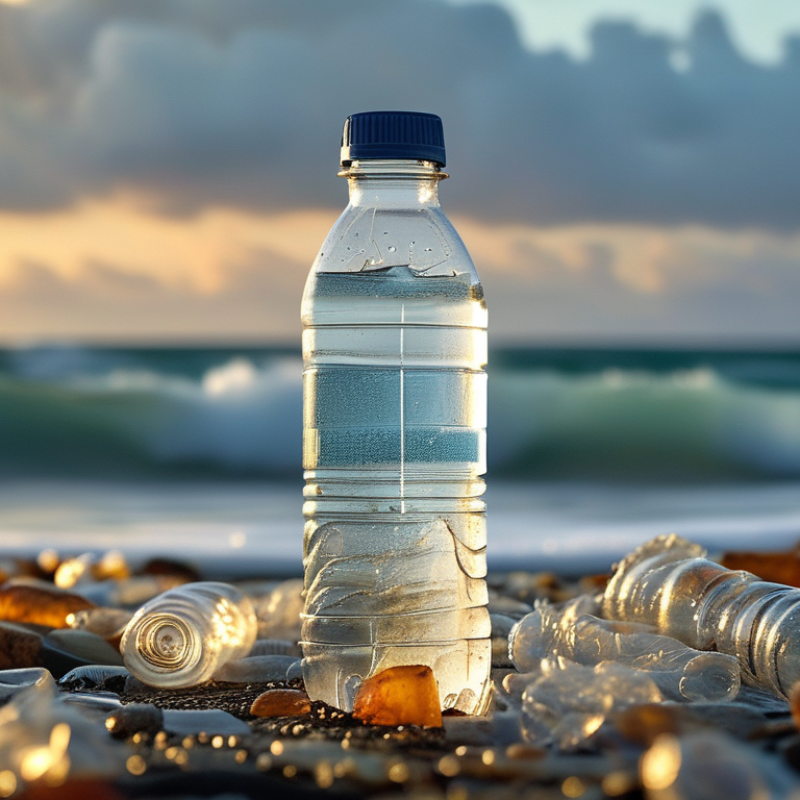
The Lifecycle of Plastic Bottles: From Production to Disposal
The lifecycle of plastic bottles begins with production, a process that consumes fossil fuels and emits greenhouse gases. Raw materials are extracted, refined, and turned into plastic. This step requires significant energy, contributing to environmental degradation. Factories often release pollutants, affecting air and water quality.
Once produced, plastic bottles flood the market. Consumers use them briefly, often discarding them carelessly. Many bottles end up in landfills, where they take hundreds of years to decompose. Some are incinerated, releasing toxic fumes into the atmosphere. Recycling options exist, but only a fraction of bottles are processed correctly. Many communities lack proper recycling facilities.
Disposal methods are crucial in understanding the impact of plastic bottles. Improper disposal leads to ocean pollution, harming marine life. Small organisms mistake plastic for food. Larger animals ingest these toxins, and the food chain becomes contaminated. Responsible consumption and better recycling practices are essential to mitigate these effects and protect our planet.
Environmental Impact of Plastic Bottles on Land and Water Ecosystems
Plastic bottles contribute significantly to environmental degradation, particularly in land and water ecosystems. According to the United Nations, over 300 million tons of plastic are produced each year, with approximately 50% designated for single-use products like plastic bottles. This single-use culture leads to around 1 million plastic bottles being purchased every minute globally. Many of these end up in landfills or oceans, where they take hundreds of years to decompose.
Microplastic pollution is a major consequence of plastic bottle waste. Research published in *Environmental Science and Technology* found that plastic bottles fragment into microplastics, contaminating soil and waterways. These tiny particles are ingested by wildlife, entering the food chain and posing risks to various species. A study indicated that 86% of marine species studied had plastic in their stomachs. This disrupts not only animal health but also our ecosystems' balance.
Our reliance on plastic bottles is a reflection of consumer behavior that overlooks long-term impacts. A report from the Ellen MacArthur Foundation stated that if current trends continue, oceans could contain more plastic by weight than fish by 2025. Notably, efforts to recycle plastic bottles remain inadequate, with only about 9% of plastic waste ever being recycled. This situation raises urgent questions about sustainability and responsible consumption.
Why are Plastic Bottles Harmful to Our Environment? - Environmental Impact of Plastic Bottles on Land and Water Ecosystems
| Impact Dimension |
Description |
Estimated Effect |
| Land Pollution |
Plastic bottles contribute to litter, affecting wildlife habitats and aesthetics. |
Approximately 1 million bottles are sold every minute globally. |
| Water Pollution |
Plastic waste ends up in oceans, harming marine life and ecosystems. |
Estimated 800 species affected by plastic ingestion or entanglement. |
| Microplastics |
Decomposition of bottles leads to microplastics contaminating the food chain. |
Studies show microplastics present in 90% of bottled water. |
| Greenhouse Gas Emissions |
Production and incineration of plastic bottles release significant CO2 emissions. |
Life cycle of a plastic bottle can produce up to 2.5 times its weight in CO2. |
| Wildlife Threat |
Ingestion and entanglement of animals lead to injury or death. |
Over 1 million marine mammals and sea turtles die each year due to plastic. |
Effects of Plastic Bottles on Wildlife and Marine Life
Plastic bottles severely impact wildlife and marine life. Each year, millions of animals fall victim to plastic pollution. Sea turtles mistake plastic bags for jellyfish, leading to deadly consequences. Fish and birds also ingest tiny plastic particles, causing internal harm.
The effects are devastating. Birds can choke on debris or suffer from malnutrition due to a false sense of fullness. Marine mammals, like seals and whales, often become entangled in plastic waste. They can drown or experience severe injuries. The food chain is disrupted, as these animals are vital to ecosystems.
Tips: Choose reusable bottles. They are a simple alternative that reduces plastic waste. Always recycle plastic properly. Participate in local clean-ups to reduce litter in natural habitats. Small actions can lead to significant change. Consider your consumption habits. Think critically about your plastic use. Every effort counts in protecting our planet’s wildlife.
Innovative Solutions and Alternatives to Reduce Plastic Bottle Waste
Plastic bottles have become notorious for their environmental impact. Every year, millions end up in landfills and oceans. This harms marine life and disrupts ecosystems. Reducing plastic bottle waste is urgent. Various innovative solutions exist that can help us move towards a more sustainable future.
One compelling alternative is reusable bottles. These can significantly cut down single-use plastics. Materials like stainless steel and glass are durable and safe. Communities are also promoting refilling stations. These places encourage people to refill their bottles instead of purchasing new ones. Education is key. Teaching people about the importance of reducing plastic waste can drive behavioral change.
Another exciting development is biodegradable bottles. These are made from organic materials. They break down naturally, minimizing environmental harm. However, this technology is still developing. Some biodegradable options may not decompose correctly in every environment. Raising awareness about proper disposal methods is crucial for effectiveness. The shift away from plastic bottles requires effort from everyone. It’s a collaborative journey towards sustainability.
Public Awareness and the Role of Recycling in Mitigating Harm
Plastic bottles are prevalent in our daily lives. However, their impact on the environment poses serious challenges. Public awareness about this issue is crucial. Every year, millions of plastic bottles end up in landfills. Many of these bottles take hundreds of years to decompose.
Recycling plays a significant role in addressing plastic pollution. Yet, recycling rates remain low. Many people are unaware of the proper recycling methods. Contamination can render whole batches unrecyclable. Educating communities about how to recycle effectively can make a difference. Simple actions, like rinsing bottles before disposal, matter.
While many organizations promote recycling, gaps still exist. Some areas lack accessible recycling facilities. Others face challenges in processing the volume of collected plastics. Encouraging local initiatives can drive change. Increased participation in recycling programs can help reduce waste. Collective efforts are needed to foster a sustainable future.
Impact of Plastic Waste on Environment and Recycling Rates
The chart above illustrates the impact of plastic on our environment in 2021. It shows that while a substantial amount of plastic waste is generated, only a small percentage is recycled. Additionally, a significant amount of plastic waste ends up in the oceans, highlighting the urgent need for improved recycling efforts and public awareness to mitigate environmental harm.
Conclusion
Plastic bottles pose a significant threat to our environment in various ways. The lifecycle of these bottles begins with resource-intensive production that contributes to pollution and greenhouse gas emissions. Once discarded, plastic bottles often end up in landfills or waterways, where they can persist for hundreds of years, adversely impacting both land and water ecosystems. The environmental impact extends to wildlife and marine life, as many animals ingest or become entangled in plastic waste, leading to injury or death.
To address the question, "Why are plastic bottles bad for the environment?", it is crucial to explore innovative solutions and alternatives that can help reduce plastic bottle waste, such as reusable containers and better recycling practices. Public awareness campaigns play a vital role in encouraging responsible consumption and recycling, ultimately mitigating the harmful effects of plastic bottles on our planet and its inhabitants.
 Bluesky Bottle
