Bluesky Bottle Bluesky Bottle

Why Do Plastic Bottles Become Brittle Over Time?

Time:2026-05-07 Author:Aria
0%

Plastic bottles are a ubiquitous part of our daily lives. However, many people wonder, "Why do plastic bottles become brittle?" This phenomenon has significant implications for both environmental impact and human health. Over time, plastic undergoes chemical changes that lead to brittleness. Factors such as sunlight exposure and temperature fluctuations contribute to these changes.

The process is not immediately noticeable. Initially, the bottles appear intact and functional. Yet, with prolonged use and repeated stress, they start to crack and fracture. This gradual degradation raises concerns about the microplastics that can leach into liquids stored in these bottles. It's essential to understand the science behind this brittleness to make informed decisions.

While many of us rely on plastic bottles, we may overlook their limitations. Education on their deterioration can prompt a shift towards more sustainable choices. By exploring why plastic bottles become brittle, we can better address the challenges posed by plastic waste.
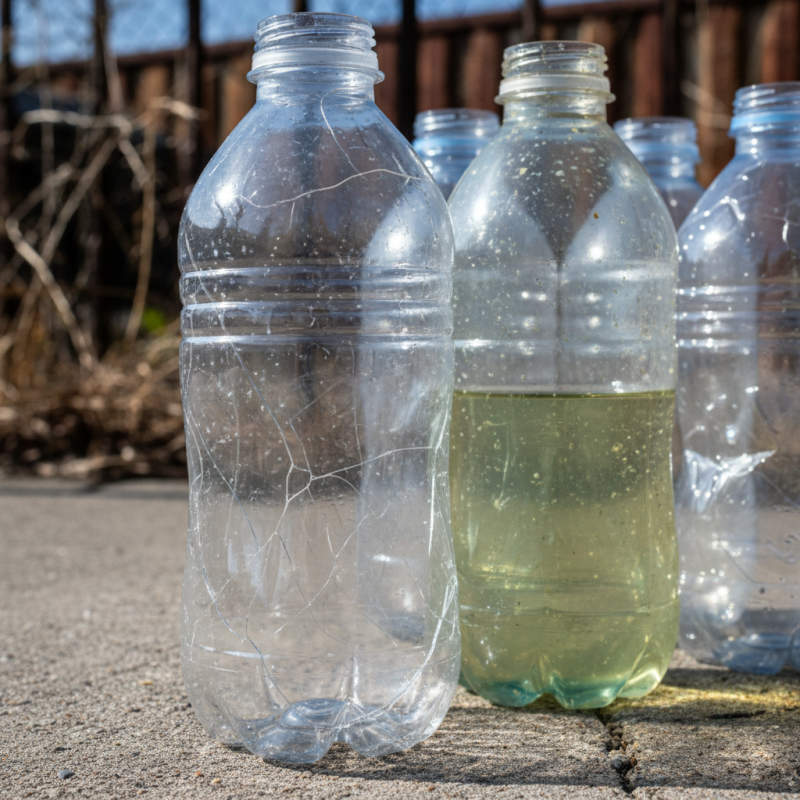
Why Do Plastic Bottles Become Brittle Over Time?

Understanding the Composition of Plastic Bottles

Plastic bottles are made primarily from polyethylene terephthalate (PET) and other polymers. These materials offer durability and flexibility at first. However, numerous studies show that environmental factors cause these plastics to degrade over time. The exposure to UV light, heat, and physical stress results in a process known as chain scission, making the plastic brittle. According to the American Chemistry Council, approximately 30% of plastic bottles become fragile after two years of consistent sunlight exposure.

Much of the degradation is tied to the composition of the polymers. As the long chains of molecules break down, they lose their structural integrity. Research indicates that the presence of additives, used to improve performance, can also catalyze this process. A report by the National Institute of Standards and Technology highlights that certain stabilizers can help slow down the degradation but are not foolproof.

Moreover, the recycling process can further complicate matters. Recycled plastics often contain contaminants that may weaken the material properties. The recyclability of plastic bottles is frequently overstated. In reality, only about 9% of plastic is effectively recycled. This can lead consumers to underestimate the longevity and reliability of their plastic bottles. The true lifespan of these products is a complex issue that industry professionals must continuously analyze.

The Role of UV Exposure in Plastic Deterioration

Plastic bottles undergo significant changes over time due to various environmental factors, with UV exposure being particularly impactful. Sunlight emits ultraviolet rays that penetrate the plastic, breaking down the molecular structure. According to a study by the American Chemistry Council, prolonged UV exposure can decrease a plastic bottle's integrity by over 50% in just a few months. This degradation leads to brittleness, making them more likely to crack or break.

Tips: If you store plastic bottles, keep them in dark, cool places. Reducing UV exposure can greatly extend their lifespan.

Additionally, different types of plastics have varying resistance to UV damage. For instance, polyethylene terephthalate (PET), commonly used in bottles, is more susceptible to UV exposure compared to high-density polyethylene (HDPE). Over time, the build-up of photodegradation products can lead to color fading and loss of flexibility.

Tips: Monitor your plastic products regularly for any signs of wear. If you notice discoloration or brittleness, consider recycling them. Understanding these factors can guide better choices in how we use and store plastic bottles.

Why Do Plastic Bottles Become Brittle Over Time? - The Role of UV Exposure in Plastic Deterioration

Time Period (Months) UV Exposure (Hours) Brittleness Level (1-10) Chemical Changes Observed
0-3 0 1 None
4-6 200 3 Initial signs of discoloration
7-12 400 5 Chemical leaching starts
13-18 600 7 Significant brittleness, more discoloration
19-24 800 9 Severe brittleness, cracks start to form

Chemical Reactions that Cause Brittleness in Plastics

Plastic bottles often become brittle over time due to various chemical reactions. These reactions primarily occur as a result of exposure to environmental factors. UV radiation from sunlight breaks down the polymer chains in plastics. This degradation leads to a loss of flexibility and strength.

Oxygen also plays a role in this process. When plastic bottles are exposed to air, oxidation can occur. This reaction often alters the chemical structure of the plastic. The once durable material may develop cracks or become hard and fragile.

It’s interesting to note that temperature fluctuations can accelerate these changes. Heat can make plastics expand, and cold can cause them to contract. Over time, repeated cycles of expansion and contraction can lead to microfractures. These small breaks can ultimately lead to visible brittleness. Even the choice of a plastic's production method can affect its longevity. How we use and dispose of plastic bottles matters, too.

Impact of Temperature and Environmental Factors on Bottle Integrity

Plastic bottles are widely used and often disposed of thoughtlessly. However, their structural integrity can degrade over time. This degradation is significantly influenced by temperature and environmental conditions. When exposed to sunlight or high heat, the plastic can undergo chemical changes. These changes can lead to brittleness, making the bottles susceptible to cracking.

Moisture and humidity also play critical roles in the lifespan of plastic bottles. Bottles kept in damp environments may develop mold or degradation. Over time, this can lead to weak spots that fail under pressure. Additionally, fluctuations in temperature create thermal stress. The expansion and contraction can weaken the material.

Using plastic bottles beyond their intended lifespan poses risks. While many people believe recycling is sufficient, it is essential to consider how those bottles were stored. Long-term exposure to adverse conditions often means they may not be safe to reuse. Awareness and proper storage practices can mitigate these risks. Reflecting on our habits can lead to better choices for both health and the environment.

Long-Term Effects of Plastic Degradation on Usage and Recycling

Plastic bottles, widely used for beverages, undergo significant changes over time. Exposure to UV light, heat, and oxygen leads to a process known as plastic degradation. A study conducted by the National Institute of Standards and Technology (NIST) indicated that after just six months of exposure, some plastics can lose up to 70% of their mechanical properties. This degradation not only makes bottles brittle but also impacts their safety for reuse.

The impact of this brittleness on recycling is notable. According to the Environmental Protection Agency (EPA), approximately 27 million tons of plastic bottles are disposed of annually in the US. However, as these bottles age and crack, they become less valuable for recycling facilities. Contaminated or degraded plastics can pose challenges in the recycling process, leading to lower-quality recycled materials. The recycling rate for plastic bottles can drop significantly if they are not in good condition. This cycle highlights an ongoing struggle in the battle against plastic waste.

Ultimately, the long-term effects of plastic degradation affect both the environment and recycling efforts. As bottles become brittle, their continued use and the effectiveness of recycling decrease. It raises questions about lasting solutions and the material's lifespan. Rethinking how we use and dispose of plastic could be a necessary step toward a sustainable future.

FAQS

: How does UV exposure affect plastic bottles?

: UV rays penetrate plastic and break down its molecular structure, reducing integrity by over 50% in months.

What happens to plastic bottles over time?

They can become brittle and are more likely to crack or break due to environmental factors like UV exposure.

How can I extend the lifespan of plastic bottles?

Store them in dark, cool places to reduce UV exposure and prevent deterioration.

Are all plastics equally resistant to UV damage?

No, different plastics have varying resistance. PET is more susceptible to damage than HDPE.

What should I look for to assess plastic bottle wear?

Check for discoloration, brittleness, or any signs of degradation to determine if it's time to recycle.

How do temperature and humidity affect plastic bottles?

High heat and moisture can lead to brittleness and mold, creating weak spots in the material.

Is recycling enough for old plastic bottles?

No, consider how they were stored. Long-term exposure can make them unsafe to reuse.

What are thermal stress and its effects?

Fluctuating temperatures cause expansion and contraction, which can weaken the material over time.

What can I do to improve my plastic usage habits?

Reflect on storage choices and monitor for wear regularly to make better decisions for health and the environment.

Why is it important to understand plastic bottle deterioration?

Awareness helps reduce risks to health and supports more sustainable environmental practices.

Conclusion

Plastic bottles, commonly used for various beverages, tend to lose their structural integrity over time, leading to brittleness. This phenomenon raises the question, "Why do plastic bottles become brittle?" Understanding the composition of these bottles reveals that factors like ultraviolet (UV) exposure play a crucial role in their deterioration. UV light can initiate chemical reactions within the plastic, leading to the breakdown of molecular chains that provide flexibility.

Furthermore, environmental factors such as temperature fluctuations and humidity can accelerate this degradation process. As plastic bottles age, these chemical reactions compound, ultimately affecting their usability and recyclability. The long-term effects of plastic degradation not only impact consumer safety but also pose challenges for recycling efforts, emphasizing the need for better materials and practices in plastic production and disposal.

Aria

Aria

Aria is a dedicated marketing professional with a deep passion for innovative strategies and a keen understanding of our company's product offerings. With a wealth of experience in the industry, Aria excels at crafting engaging content that highlights the unique features and benefits of our......