Bluesky Bottle
Plastic bottle pollution poses a serious global issue. Why is plastic bottle pollution a problem? Every year, millions of plastic bottles end up in our oceans and landfills. This pollution threatens wildlife and ecosystems. Marine animals often ingest plastic, mistaking it for food. This leads to injuries or death.
Moreover, plastic bottles take hundreds of years to decompose. As they break down, they release harmful chemicals into the environment. These pollutants can contaminate soil and water, affecting public health. It’s alarming to think that many communities rely on water sources tainted by plastic waste.
Addressing plastic bottle pollution requires collective action. Individuals, businesses, and governments must work together. We need better recycling programs and alternatives to single-use plastics. Education about responsible consumption is vital. The complexity of this issue sometimes leads to frustration. However, awareness is the first step toward change. Understanding why plastic bottle pollution is a problem can motivate us to take action.
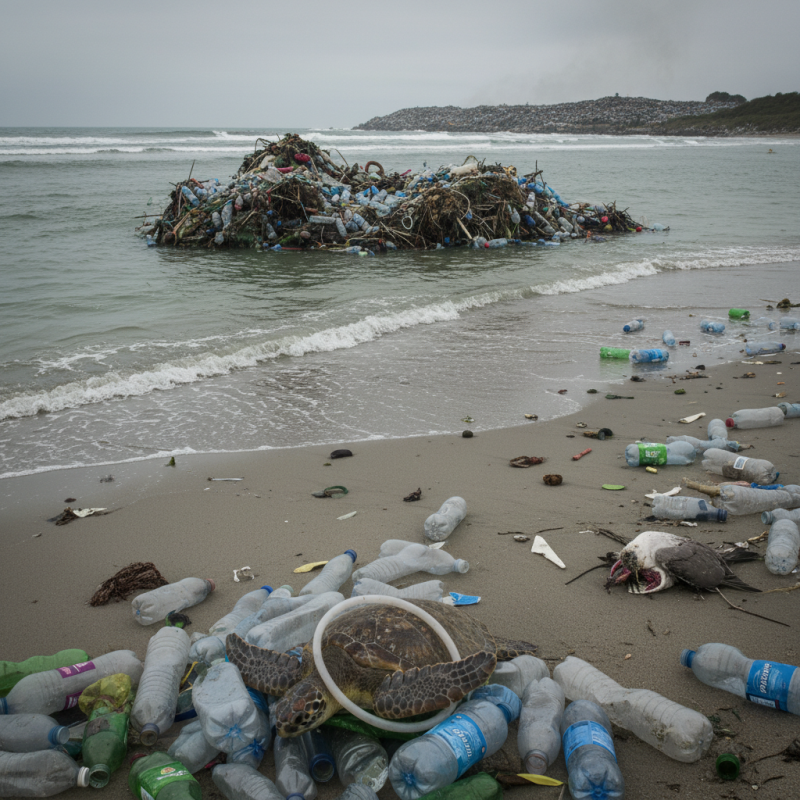
Plastic bottle pollution is a pressing issue affecting our planet. Every year, millions of plastic bottles end up in landfills and oceans. This excess plastic harms wildlife and disrupts ecosystems. Sea turtles mistake plastic for food, leading to fatal consequences. Birds and fish ingest plastic particles, which can enter the food chain.
Globally, the statistics are staggering. Over 1 million plastic bottles are purchased every minute. A large percentage of these bottles are not recycled. Only 9% of plastic waste has ever been recycled. Many countries struggle with waste management systems, exacerbating the problem. City streets and waterways often show signs of plastic litter.
The local and global environment suffers from this pollution. Communities face the burden of cleaning up plastic waste. Plastic bottles take centuries to decompose. They leach harmful chemicals, affecting soil and water quality. As a society, we need to rethink our reliance on single-use plastics. Sustainable alternatives await exploration.
Plastic bottles are a significant source of pollution affecting ecosystems and wildlife. According to a 2021 report by the UN, over 300 million tons of plastic are produced each year. A shocking 50% of this is single-use, including plastic bottles. When discarded, these bottles often end up in oceans and rivers, harming aquatic life.
Marine animals mistake plastic for food. Sea turtles, for instance, are known to ingest plastic, leading to malnutrition and internal injuries. Ingested plastic can also transfer toxins up the food chain, posing risks to larger species, including humans. Studies indicate that microplastics have been found in 100% of seabirds examined in certain regions, highlighting the pervasive nature of this issue.
The environmental impact extends to terrestrial ecosystems as well. Plastic bottles contaminate soil and water sources. They take hundreds of years to decompose, disrupting habitats. In some areas, ecosystems are showing signs of stress linked to plastic debris. There is a growing need for awareness and new strategies in waste management to combat this pressing issue. Engaging in reuse and recycling efforts may offer some hope. Yet, many communities remain unprepared to address the scale of this problem.
| Category | Impact | Statistics | Sources |
|---|---|---|---|
| Ecosystems | Disruption of marine habitats | Over 1 million marine animals die each year due to plastic pollution | Various Environmental Studies |
| Wildlife | Ingestion of microplastics | Over 90% of seabirds have plastic in their stomachs | BirdLife International |
| Human Health | Potential endocrine disruption | Studies link water contaminated with microplastics to health issues | Journal of Environmental Health |
| Economy | Clean-up costs | Global cleanup efforts cost upwards of $13 billion annually | World Bank Reports |
| Pollution | Soil and water contamination | Plastic can take over 400 years to decompose | National Geographic |
Plastic bottle pollution poses significant health risks to humans. Millions of plastic bottles are discarded every day, contributing to a growing environmental crisis. When plastics break down, they release harmful chemicals. These chemicals can leach into our water supplies, affecting our health over time.
Microplastics are another serious concern. Studies have shown that microplastics can enter the food chain. People unknowingly consume these tiny particles through seafood, tap water, and even some grains. The long-term effects of microplastics on human health are not yet fully understood, but potential risks include hormonal disruptions and increased cancer risk.
Ingestion of toxins from plastic can lead to ailments that affect various body systems. Nervous systems, immune responses, and reproductive health may all be compromised. It's time we reflect on our reliance on single-use plastics. Every bottle we choose can have far-reaching consequences for our health and the planet.
Plastic bottle pollution is an urgent global issue. The economic impact of plastic waste management is profound. Cleanup efforts often require significant funds. Communities spend millions cleaning beaches and rivers. This burden falls on taxpayers and local economies. When resources are allocated to waste management, they are diverted from other essential services.
Businesses also feel the pressure. Increased waste can lead to higher cleanup costs. Companies may face fines if they don’t comply with regulations. These factors impact profitability and job stability. Consumers are becoming more aware. They prefer eco-friendly options. Not addressing plastic waste can diminish a brand’s reputation.
**Tip: Reduce plastic use in your daily life.** Carry a reusable water bottle. It’s an easy way to cut down plastic waste.
Collaboration is essential for effective waste management. Governments, businesses, and citizens must work together. Effective strategies require time and commitment. There's often a gap between intention and action. Addressing these challenges is crucial for a healthier planet.
**Tip: Participate in local cleanup events.** This fosters community engagement and raises awareness. Every little effort counts in this collective battle.
This bar chart illustrates the estimated annual costs associated with plastic bottle waste management and cleanup across different regions. It highlights the significant economic burden that plastic pollution places on communities and governments worldwide.
Plastic bottle pollution poses a significant challenge worldwide. Everyday, millions of plastic bottles are discarded, contributing to environmental degradation. Many people rely on single-use plastics, often unaware of their long-term impacts. Innovative solutions are essential to tackle this issue effectively.
One promising alternative is reusable water bottles. Many people are making the switch. These bottles help reduce plastic waste significantly. Various designs cater to different lifestyles. They are made from materials like stainless steel or glass, which last longer than traditional plastic. Additionally, there’s a growing trend of refilling stations. Cities are installing these in parks and public spaces, promoting sustainability.
Another solution lies in biodegradable materials. New research explores plant-based plastics. These alternatives can break down more efficiently. They promise a reduction in litter. However, their production still requires careful consideration. Not all bio-plastics are created equal. Awareness and education play vital roles in guiding consumer choices. People need to understand these options to make informed decisions. The road ahead is complex, but change is possible.
: Plastic bottle pollution refers to plastic bottles that end up in landfills and oceans, harming wildlife and ecosystems.
Over 1 million plastic bottles are bought every minute, leading to significant environmental issues.
Only 9% of plastic waste has ever been recycled, contributing to pollution challenges.
Marine animals mistake plastic for food, causing malnutrition and injuries, which can affect the entire food chain.
Plastic bottles can take centuries to decompose. They also release harmful chemicals into soil and water.
Communities spend millions on cleanup efforts, diverting funds from essential services and impacting local economies.
Individuals can carry reusable water bottles, a simple action to cut down on plastic usage.
Governments, businesses, and citizens must work together to create effective waste management strategies. It requires commitment.
Growing awareness can lead to better community involvement and new strategies to address plastic waste issues.
Companies may face fines and damage to their reputation, impacting profitability and job stability.
Plastic bottle pollution is a pressing global issue due to its widespread prevalence and severe environmental consequences. Each year, millions of plastic bottles end up in oceans and landscapes, posing significant threats to ecosystems and wildlife. Marine animals often ingest plastic or become entangled, leading to detrimental effects on biodiversity. Beyond environmental harm, the health risks associated with plastic bottle pollution for humans include potential exposure to toxic chemicals that leach from plastics into food and water sources.
Economically, the burden of managing plastic waste and cleanup efforts places a strain on municipalities and public resources. However, innovative solutions and alternatives are emerging to combat this growing issue. Emphasizing the importance of reducing plastic bottle use, communities and organizations are looking toward sustainable practices, such as reusable containers and recycling initiatives. Answering the question, "Why is plastic bottle pollution a problem," reveals a multifaceted crisis that necessitates urgent collective action for a cleaner, healthier planet.