Plastic bottles appear in offices, school bags, supermarket aisles, and roadside drains. Their convenience is obvious, but their environmental cost is often hidden. A bottle used for minutes can remain in the environment for decades, slowly breaking into smaller plastic particles.
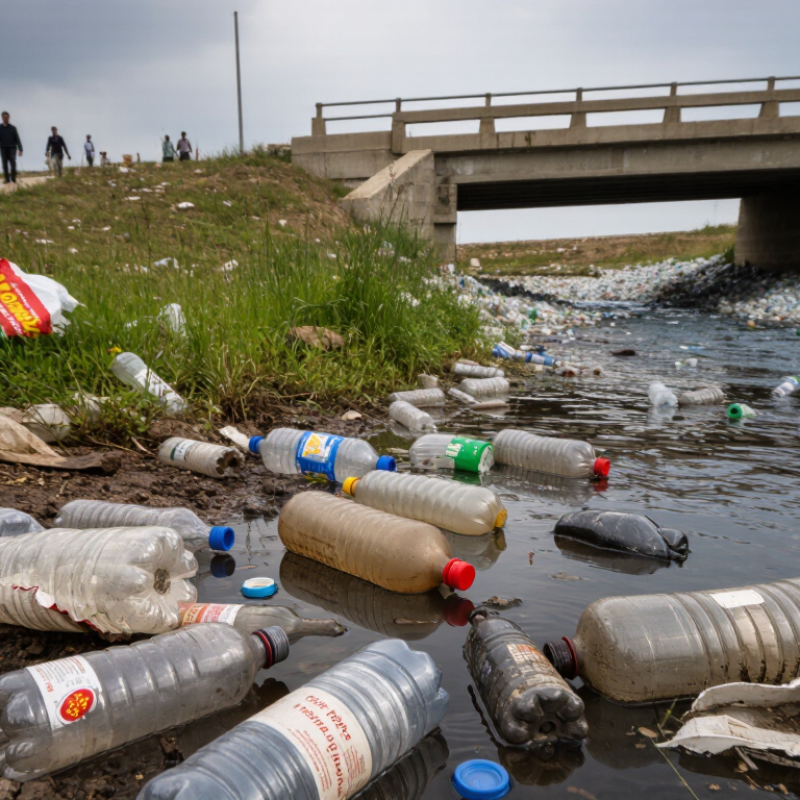
Why is plastic bottle pollution a problem? The answer involves waste volume, resource use, and weak collection systems. Producing bottled water requires plastic resin, energy, and transportation. After disposal, many bottles escape recycling systems and reach rivers, beaches, farmland, and oceans. The problem is visible. A single bottle may block a drain, while thousands can collect beneath bridges after heavy rain.
The United Nations Environment Programme identifies plastic pollution as a major global environmental challenge. Research also shows that plastic waste can harm wildlife through swallowing, entanglement, and habitat damage. Microplastics have been detected in water, soil, food, and air, although scientists are still studying their complete effects on human health. That uncertainty matters. It should encourage careful action, not exaggerated claims.
The issue is not equally severe everywhere. Some communities have reliable collection services, while others lack basic waste infrastructure. Recycling also sounds simpler than it is. Different plastics, contamination, and limited markets can reduce recovery rates. Personal choices help, but they cannot replace responsible product design, effective public systems, and accountable industry practices. Understanding these connected pressures provides a realistic starting point for reducing plastic bottle pollution worldwide.
What Plastic Bottle Pollution Is and How It Became Global
Plastic bottle pollution is not only a litter problem. It begins with how bottles are made, used, and discarded. Most single-use bottles are produced from petroleum-based plastic, then filled, transported, and emptied within minutes. Their short useful life contrasts sharply with their long environmental persistence. In a street drain, a crushed bottle can block water flow after heavy rain. In a river, sunlight and friction slowly break it into smaller fragments.
This pollution became global because bottled water and other drinks travel across borders, while waste systems remain local. Some communities have regular collection and recycling. Others lack safe storage, sorting facilities, or reliable transport. Studies from environmental agencies and waste audits repeatedly show that lightweight packaging is easily carried by wind and water. It reaches beaches, farmland, and remote coastlines. Recycling helps, but collection rates are uneven, and plastic quality can decline after processing. I once thought recycling solved the problem. It does not.
Tips
Carry a durable refillable bottle when safe drinking water is available. Choose larger containers for shared use, and avoid unnecessary single-use packaging. Keep used bottles out of drains and separate them from food waste. Check local recycling guidance, because accepted materials differ. Small choices matter, but better collection systems and producer responsibility matter too. The uncomfortable truth is that personal effort cannot repair every weak waste system.
How Plastic Bottles Enter and Spread Through the Environment
Plastic bottle pollution begins long before a bottle reaches the ocean. A bottle may be dropped beside a road, blown into a storm drain, or left near a riverbank. Rain then carries it through gutters and drainage channels. Rivers become moving transport systems.
The OECD’s Global Plastics Outlook reports that the world generated 353 million tonnes of plastic waste in 2019. About 22% was mismanaged, allowing waste to escape collection systems. UNEP estimates that 19–23 million tonnes of plastic enter aquatic ecosystems each year. Bottles can travel from urban streets to streams, rivers, estuaries, and coastal waters. Sunlight makes them brittle, but rarely makes them disappear. Waves and friction break fragments into smaller pieces. Fish, birds, and other animals may encounter these pieces as food or nesting material. Our tracking data remains incomplete. That uncertainty matters.
Tips: Carry a durable refillable container when practical. Empty bottles before disposal, and keep caps attached if local guidance recommends it. Place containers inside secure bins, especially before heavy rain. Check nearby drains after storms; one visible bottle can reveal a wider leakage problem. Small actions help, but better collection systems and product design are still necessary.
Effects of Plastic Bottle Waste on Oceans, Wildlife, and Ecosystems
Plastic bottle pollution reaches far beyond a crowded beach bin. Rain carries discarded bottles into drains, rivers, and coastal waters. Waves break them into smaller fragments called microplastics. These particles can remain in seawater, sand, and seabed sediments for years.
Wildlife often mistakes plastic pieces for food. Sea turtles may swallow bottle caps, while seabirds can feed fragments to their chicks. Thin plastic rings and labels can also trap fish, crabs, and birds. A single bottle may block an animal’s stomach or reduce its ability to move. On shorelines, bottles collect in mangrove roots and coral areas, where they shade surfaces and disturb fragile habitats. The damage is rarely dramatic at first. That makes it easier to ignore.
Tips: Carry a reusable container, refuse unnecessary bottles, and empty bins before wind can scatter waste. Join local shoreline cleanups, but record what you find. Counts of caps, labels, and fragments can help communities identify pollution sources. Never assume one cleanup solves the problem. I have learned that convenience often hides the real cost. Recycling can help, but collection systems are imperfect, and not every bottle is recovered. Reducing demand remains important. Small choices matter, although they cannot replace better waste management and careful product design.
Impacts of Plastic Bottle Pollution on Human Health and Communities
Plastic bottle pollution is often described as an environmental problem, but its deepest costs appear in daily human life. When bottles collect beside drains, rain can carry germs into standing water and nearby homes. Blocked drainage also leaves puddles where mosquitoes may multiply. In crowded neighborhoods, this risk grows after heavy storms. Community workers often face sharp edges, dirty water, and smoke from informal burning. Smoke matters.
Health research links plastic waste exposure to injuries, respiratory irritation, and possible contact with chemical additives. Microplastics have been detected in water, food, and human tissues, yet scientists are still measuring their long-term effects. That uncertainty deserves honesty, not panic. The strongest evidence concerns polluted surroundings and unsafe waste handling, while some claims about disease remain incomplete. Children, people with asthma, waste collectors, and families without reliable collection services may carry greater burdens. This is an equity issue.
Local observations can guide practical action: covered bins, frequent collection, refill stations, and safer sorting areas reduce exposure. Public-health teams should test drinking water, publish results, and consult residents before changing waste systems. A bottle dropped in a park seems small. Multiplied across streets, it can consume cleanup budgets needed for clinics, drainage, and schools. I also need to question my own habits; convenience makes disposable packaging feel harmless when its costs move elsewhere.
Prevention, Recycling, and Global Strategies for Reducing Bottle Waste
Why Is Plastic Bottle Pollution a Global Problem?
Plastic bottles are convenient, light, and easy to carry. They are also used for only a few minutes, then may remain in the environment for decades. Sunlight breaks them into smaller fragments, but it does not make the pollution disappear. These fragments can enter soil, rivers, and coastal waters. Wildlife may mistake them for food. Communities also face blocked drains and rising cleanup costs.
Prevention should begin before a bottle is produced. Refillable containers, public drinking fountains, and safe tap water can reduce unnecessary purchases. Offices, schools, and event organizers can provide clearly marked refill stations. Small changes matter. A weekly waste check can reveal how many bottles one household actually discards. Still, reusable containers are not automatically sustainable. They must be used repeatedly, cleaned safely, and made to last.
Recycling works best when collection systems are simple and dependable. People need clear instructions for emptying, separating, and placing bottles in the correct bin. Local rules differ, so residents should follow municipal guidance rather than guessing. Recovered plastic can support new products, but contaminated waste may be rejected. This weakness deserves attention. Governments can improve collection coverage, require responsible packaging design, and support deposit-return programs where suitable. Manufacturers should publish measurable reduction targets and report progress openly. International cooperation is necessary because bottles and fragments can move across borders through rivers and trade. Cleaner streets alone are not enough.
FAQS
It may fall beside a road, enter a storm drain, and move through gutters after rainfall. Rivers can carry it toward estuaries and coastal waters.
Bottles may be used for minutes but remain for decades. Their fragments can enter soil, waterways, and food chains.
Global plastic waste reached about 353 million tonnes in 2019. Around 22% was mismanaged and could escape collection systems.
Estimates suggest 19–23 million tonnes enter aquatic ecosystems annually. Exact tracking remains incomplete, which limits certainty.
Sunlight makes plastic brittle. Waves and friction break it into smaller fragments, but they rarely make it disappear.
Fish and birds may mistake fragments for food. Animals can also encounter plastic as nesting material.
Carry a durable refillable container when practical. Empty bottles before disposal and use secure bins before heavy rain.
Instructions should clearly explain emptying, separating, and bin placement. Residents should follow local rules because recycling requirements differ.
No. They need repeated use, safe cleaning, and durable construction. A rarely used container may not deliver its expected benefits.
Governments can improve collection, support refill stations, and encourage suitable deposit-return programs. Better product design and transparent progress reports also matter. Cleaner streets alone are not enough.
Conclusion
Plastic bottle pollution has become a global problem because single-use bottles are produced and discarded in enormous quantities, while plastic breaks down very slowly. After being thrown away, bottles can travel through streets, drains, rivers, and coastlines, spreading across regions and entering the ocean. Over time, they fragment into smaller pieces that remain in soil and water. This explains why is plastic bottle pollution a problem for oceans, wildlife, and entire ecosystems: animals may swallow plastic or become trapped in it, while polluted habitats lose their natural balance.
The effects also reach human communities through contaminated water, damaged fisheries, blocked drainage systems, and the possible movement of tiny plastic particles through food and drinking water. Reducing this waste requires using refillable containers, improving collection and recycling systems, preventing litter, and designing products that create less waste. Cooperation among households, schools, businesses, and governments can help reduce unnecessary plastic use, strengthen waste management, and protect environmental and public health.
 Bluesky Bottle
