Bluesky Bottle
Recyclable bottles have gained attention in recent years. This is due to the increasing need for sustainable practices. According to a report by the Environmental Protection Agency (EPA), over 2.8 million tons of plastic bottles are recycled annually in the U.S. alone. This statistic highlights a crucial question: What are the benefits of recyclable bottles?
One significant advantage is their impact on waste reduction. Properly recycling beverage bottles can decrease landfill contributions. The recycling process can save energy and reduce greenhouse gas emissions. For instance, recycling PET plastic can save approximately 67% of the energy required to produce new plastic. The industry recognizes that although recycling rates are improving, gaps remain in consumer participation and bottle collection systems.
Furthermore, recyclable bottles foster a circular economy. Businesses can benefit by reusing materials, reducing costs, and appealing to environmentally-conscious consumers. However, there are challenges. Not all bottles are recyclable in every region, which complicates the recycling landscape. Encouraging better consumer education on what is recyclable is essential for maximizing benefits. Engaging communities and creating efficient systems will ultimately enhance the effectiveness of these practices.
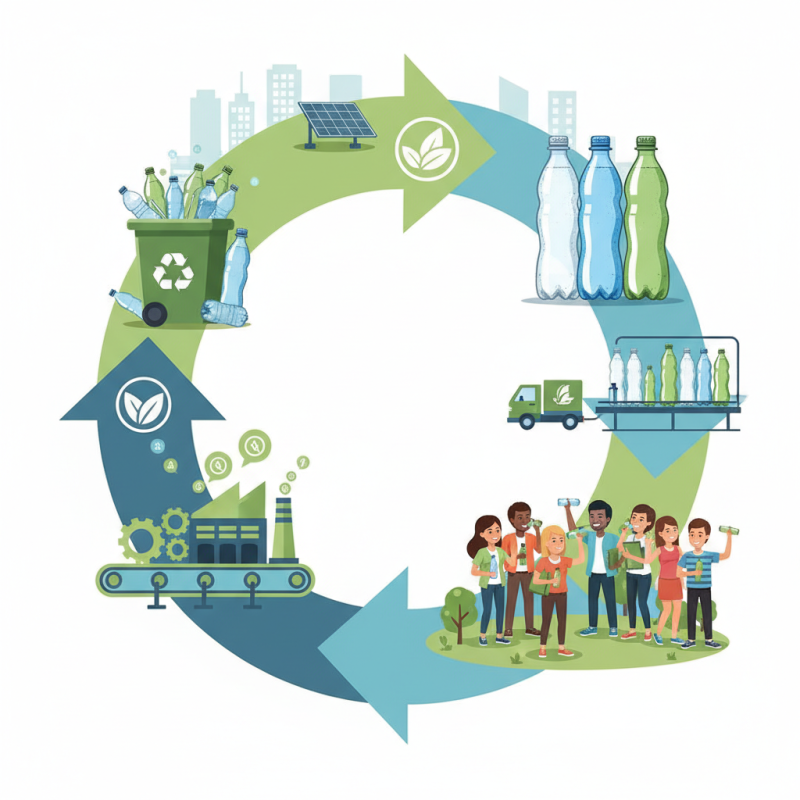
Recyclable bottles play a significant role in reducing waste and protecting our environment. However, many people are unaware of their actual impact. While the use of these bottles can decrease plastic pollution, it is crucial to understand the entire lifecycle from production to disposal. The process of recycling itself uses energy and resources.
Recyclable bottles can become problematic when not disposed of properly. Contamination of materials limits the effectiveness of recycling programs. In some cases, items end up in landfills despite being labeled recyclable. Education on proper recycling habits is essential. Programs promoting clear sorting guidelines can help improve outcomes.
While using recyclable bottles is a step in the right direction, we must also reflect on our consumption habits. Reducing the number of single-use bottles is equally important. More focus should be on minimizing waste upfront. Every small step can lead to more significant environmental benefits, creating a cleaner, healthier planet for future generations.
When it comes to recyclable bottles, understanding the different types is essential. PET bottles, commonly used for soft drinks, can be easily reprocessed. Their lightweight nature helps reduce transport emissions. HDPE bottles, often used for milk and cleaning products, are also highly recyclable. These plastics can be remade into new products, including piping and containers. Knowing the material types can guide proper recycling practices.
Tips: Always check the recycling symbols on bottles. They indicate the type of plastic, which affects recyclability. Rinse out any residue before recycling to improve the quality of recycled materials.
Glass bottles are another significant category. They are 100% recyclable and maintain their quality over time. Many food products use glass for preservation. However, breakage can pose a challenge during collection. Acknowledging the limitations of materials is vital. Temptation may exist to assume all bottles can be recycled freely. This is not the case, and misinformation can lead to contamination of recycling streams.
Tips: Store bottles in a safe place until pickup. Avoid mixing glass with other recyclables if your local program has strict guidelines. Moreover, research local rules as practices may vary. It's crucial to stay informed and be responsible.
Recycling bottles is essential for reducing waste. Many people want to help the environment but don’t know how. It’s important to follow best practices for proper recycling to maximize benefits.
Rinse your bottles thoroughly before recycling. Empty bottles can contain residue that contaminates recycling streams. A quick rinse can prevent this. Remove caps and labels; they are often made from different materials that complicate the recycling process. If the bottle is not recyclable, consider reusing it in creative ways.
Be mindful of local guidelines. Different areas have specific rules about what can and cannot be recycled. Check with your local waste management services for accurate information. Not recycling correctly can lead to more waste and lost resources. It's a step toward realizing the potential of recyclable bottles; however, improvement is always needed.
Innovative technologies are transforming the recycling processes for recyclable bottles. Advanced sorting systems now utilize artificial intelligence to enhance efficiency. According to a 2022 study by the Environmental Protection Agency, AI can improve sorting accuracy by up to 30%. This technology reduces contamination and increases the quality of recycled materials.
Moreover, automated washing processes are essential in removing impurities. This innovation leads to higher-grade recycled plastic. Research by the Circular Economy Institute shows that clean reclaimed plastic can fetch up to 50% more in the market. Investing in better washing technologies can significantly boost recycling profitability.
Tips: Always rinse your bottles before recycling. This simple step can greatly enhance the sorting process. Consider purchasing products with clear recycling information to support efficient processing. Collaboration across industries is crucial. By sharing best practices in recycling, we can drive innovation further. Understanding the limitations of current technologies is vital. Continuous improvement is necessary to maximize recycling benefits.
| Technology | Description | Benefits | Recycling Rate Improvement (%) |
|---|---|---|---|
| Advanced Sorting Systems | Utilizes AI and machine learning to improve material sorting efficiency. | Reduces contamination, increases quality of recycled materials. | 20% |
| Chemical Recycling | Converts plastics back into raw materials for new products. | Higher recovery rates for difficult-to-recycle plastics. | 30% |
| Blockchain for Tracking | Ensures transparency in the recycling process through secure records. | Builds consumer trust, reduces fraud in recycling metrics. | 10% |
| Immediate Feedback Systems | Provides users with real-time information on recycling efforts. | Increases engagement and compliance with recycling programs. | 15% |
| Biodegradable Additives | Enhances degradation time of non-recyclable components. | Reduces landfill waste and promotes sustainable choices. | 5% |
Community engagement is vital for recycling awareness. Local initiatives can effectively educate residents about recyclable bottles. Workshops that demonstrate the recycling process provide hands-on experiences. These events foster a sense of responsibility among community members. When people see the tangible benefits of recycling, they become more involved.
Creating a recycling ambassador program may also yield positive results. Volunteers can guide their neighbors and share tips. Simple actions like placing bins in public areas create visibility. Yet, not all efforts succeed. Some residents may still ignore recycling guidelines. This indicates a need for continuous improvement and tailored messages.
Communication is key. Social media campaigns can reach a wider audience. Eye-catching graphics and clear messages appeal to younger generations. However, it is essential to cater to various demographics. Some may need more basic information. Others may seek detailed data on environmental impacts. Engaging the community requires constant reflection and adaptation.
: Recyclable bottles are containers designed to be processed again, reducing waste in the environment.
They can lessen plastic pollution but still use energy and resources during production and recycling.
Improper disposal can lead to contamination, reducing recycling effectiveness and causing more waste.
Always rinse out any residue and check the recycling symbols for proper disposal guidelines.
Not all bottles are recyclable. Some materials may contaminate recycling streams, so it's essential to know your local rules.
Different plastics, like PET and HDPE, have various recycling capabilities. Understanding the types helps in proper sorting.
While recycling is helpful, reducing single-use items minimizes overall waste and its environmental impact.
Glass bottles are 100% recyclable, but breakage during collection can complicate the recycling process.
Research local recycling rules, as practices can vary by location. Knowledge is key to responsible recycling.
Focus on proper disposal, reduce single-use items, and educate yourself about materials to enhance recycling efforts.
Recyclable bottles play a crucial role in reducing environmental impact, making it essential to understand their benefits. What are the benefits of recyclable bottles? They help conserve natural resources, reduce landfill waste, and lower greenhouse gas emissions when properly recycled. This article outlines the different types of recyclable bottles, highlighting their specific uses in various industries.
To maximize their benefits, it’s important to follow best practices for recycling, such as cleaning and sorting bottles correctly. Additionally, innovative technologies are enhancing recycling processes, making them more efficient and effective. Engaging the community in recycling awareness initiatives further promotes responsible behavior and increases participation in recycling programs. By understanding these aspects, we can fully leverage the advantages of recyclable bottles for a sustainable future.
