 Bluesky Bottle
Bluesky Bottle
Bluesky Bottle
Plastic bottles are convenient and widely used. However, keeping them clean for extended periods can be a challenge. This is crucial for maintaining their usability and safety. Understanding how to keep plastic bottles clean longer can enhance your experience with them. Regular cleaning prevents bacteria buildup and odors.
Most people underestimate the importance of proper care for their bottles. A quick rinse isn’t always enough. Many users often overlook hidden dirt. Neglecting cleaning routines can lead to unpleasant surprises. It's essential to recognize that even BPA-free plastics can harbor harmful microorganisms.
With simple strategies, you can prolong the cleanliness of your bottles. Consider using specialized brushes or natural disinfectants. Making these adjustments can help you in achieving better results. Think about your experience and identify what works best for you. Everyone has different routines, and yours might need improvement. Just remember, a small effort can yield significant benefits.
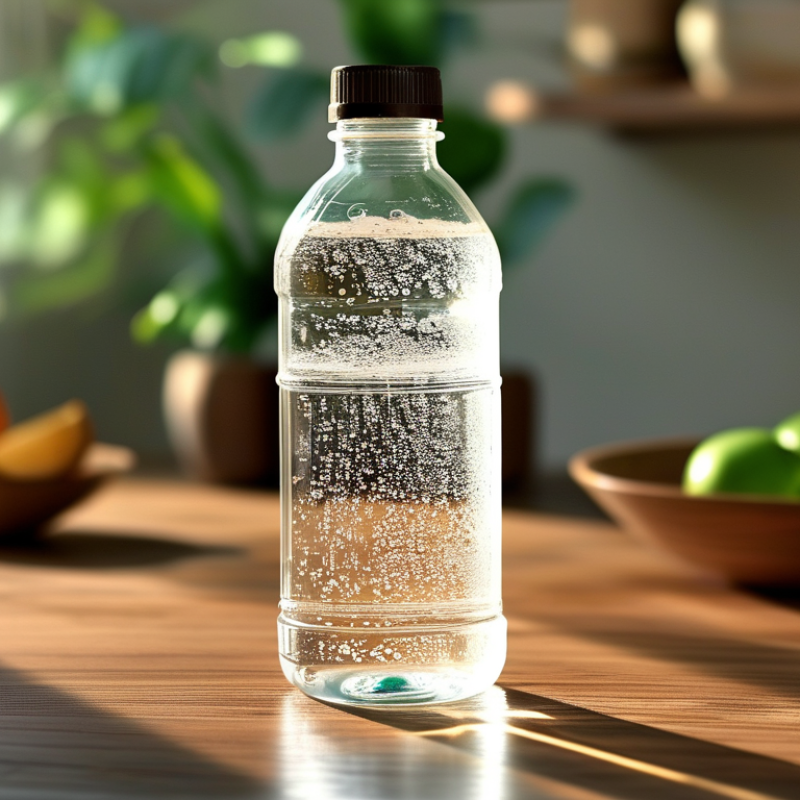
Keeping plastic bottles clean is essential for health and longevity.
Dirty bottles can harbor bacteria, mold, and unpleasant odors. Over time, these contaminants can affect the water taste and even pose health risks.
Regular cleaning helps and shows care for personal well-being and the environment.
When washing plastic bottles, use warm water and mild soap.
A bottle brush can reach all interior surfaces.
Don’t forget the lid and any straws, as remnants can linger.
Rinse thoroughly to remove soap and contaminants. Sometimes, simply using vinegar or baking soda can help eliminate odors, but they are not always effective against all bacteria.
Reflect on how often you clean your bottles to maintain their freshness.
Consider how your habits affect cleanliness. Many users often overlook the importance of proper drying.
Air-drying can help prevent mold growth. Storing bottles with the lid off is a good practice.
Understanding your routine may lead to better practices. A little attention can go a long way.
Keeping plastic bottles clean isn’t just about aesthetics; it’s a step towards healthier choices.
: Use mild dish soap or vinegar. Avoid harsh chemicals that can degrade plastic over time.
A bottle brush is ideal for narrow-neck bottles. It effectively cleans those tricky areas a sponge cannot reach.
Baking soda works well for tough stains. It is non-toxic and safe for regular use.
Rinsing removes residues from cleaning agents. These residues can affect the taste of your drink.
Air drying helps prevent bacteria growth. Neglecting this can lead to significant health risks.
Regular monitoring is essential. Cloudiness or discoloration may indicate it’s time to replace the bottle.
No, abrasive sponges can damage the plastic. Stick to soft sponges or cloths for gentle scrubbing.
If you notice wear or damage, consider replacing it. Health and safety should come first.
Mix equal parts vinegar and water. Soak for 10 minutes, then scrub and rinse well for sanitization.
Yes, neglecting cleaning can lead to bacteria growth and a shorter lifespan for your bottles.
Keeping plastic bottles clean for longer use is essential for maintaining hygiene and extending their lifespan. Understanding the importance of cleanliness is the first step; it prevents bacteria growth and unpleasant odors. Selecting the right cleaning materials is crucial for effective cleaning without damaging the plastic. A step-by-step guide involves rinsing the bottle, using a suitable cleaner, and thoroughly drying it after washing.
To ensure ongoing cleanliness, proper storage practices are necessary to prevent contamination. This includes storing bottles in a cool, dry place away from direct sunlight. Regular maintenance, such as periodic inspections for cracks or signs of wear, can help identify potential issues early. By adhering to these guidelines, you can effectively learn how to keep plastic bottles clean longer, ensuring their usability in the long run.
