Bluesky Bottle
Proper storage of plastic bottles is crucial for sustainability and safety. According to Dr. Emily Carter, an expert in environmental science, "Storing plastic bottles correctly can extend their lifecycle and reduce waste." Knowing how to store plastic bottles correctly can significantly impact the environment.
Each type of plastic bottle has specific needs. Factors like temperature and exposure to sunlight affect their integrity. Over time, degradation can occur, leading to potential health risks. A simple but effective tip includes keeping bottles away from heat sources. This simple action can prevent harmful substances from leaching into the stored liquids.
Many people overlook the importance of cleanliness when storing bottles. Residue left inside can promote mold growth. Regularly cleaning bottles before storage is advisable, yet often neglected. By paying attention to these details, we can make informed decisions. This awareness fosters changes in how we interact with plastic. Understanding how to store plastic bottles correctly and adopting these tips can lead to a more sustainable lifestyle.
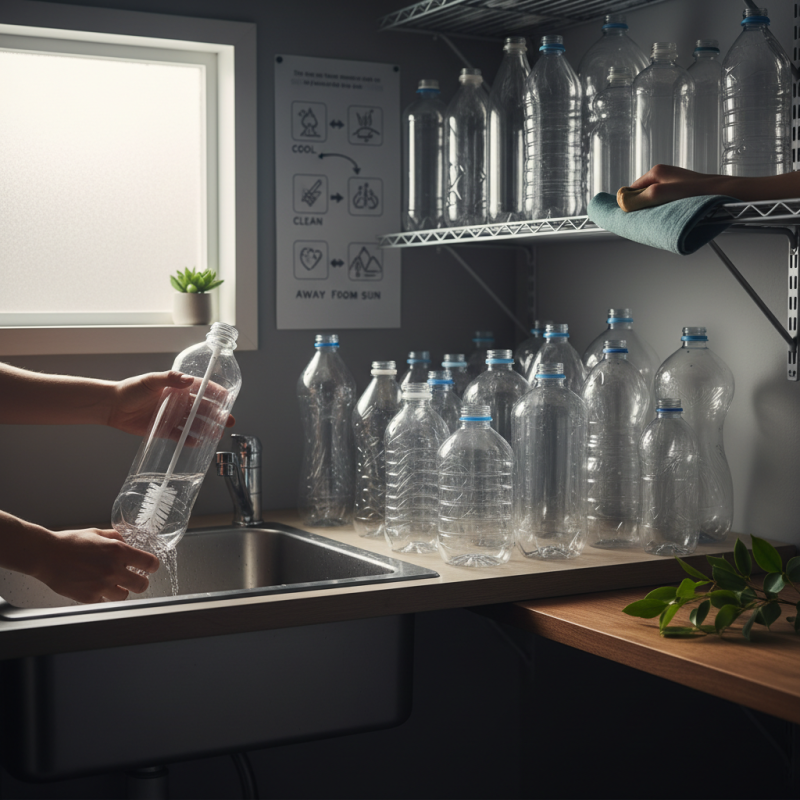
Proper storage of plastic bottles is essential for maintaining hygiene and safety. When bottles are not stored correctly, they can become breeding grounds for bacteria. This is especially concerning if the bottles contain substances for consumption. Without proper care, harmful molds can thrive in neglected spaces.
Temperature plays a critical role in storing plastic. Extreme heat can cause harmful chemicals to leach into the contents. It’s important to store plastic bottles in cool, dry areas. Additionally, excess sunlight can degrade the plastic over time, altering its structure.
Cleaning bottles before storage is often overlooked. A quick rinse can prevent buildup of residues. When bottles are stacked, ensure they are dry to avoid trapping moisture. Remember, these small steps can greatly enhance the safety of stored bottles. Awareness and attention to these details can lead to better practices in everyday life.
Selecting the right environment for storing plastic bottles is crucial. Plastic is sensitive to temperature changes and UV exposure. The ideal storage area should be cool and dark. Excessive heat can warp bottles, leading to leaks. A study by the American Chemistry Council indicates that high temperatures can degrade plastic over time.
Humidity levels also play a role in storage. Moisture can encourage bacterial growth inside bottles. A relative humidity of 30-50% is recommended for optimal storage conditions. Damp environments might accelerate the breakdown of plastic, with studies showing that high humidity can reduce bottle integrity.
Consider storage height as well. Keeping bottles off the ground helps avoid moisture accumulation from the floor. Ensure bottles are stored in an upright position to prevent contamination. Avoid stacking too many bottles on top of each other. This can cause deformation and reduces airflow, leading to potential issues with quality. Each detail contributes to better preserving plastic bottles for future use.
This chart illustrates the importance of various factors when storing plastic bottles correctly, based on survey data from environmental studies. The dimensions shown represent the percentage of respondents who prioritize each factor.
When it comes to organizing plastic bottles, efficient storage techniques can save space and enhance accessibility. Start by designating a specific area for your bottles. This prevents clutter and makes it easier to find what you need. Use clear bins or stylish boxes to categorize different types of bottles. Consider labeling each container. This small step helps everyone in the household know where to put things back.
Stacking bottles is another useful method. You can save space by placing smaller bottles inside larger ones. This not only maximizes your storage but also keeps similar bottles together. If you have an assortment of bottle sizes, use dividers to keep them organized. It’s vital to check your collection regularly. Discard any empty or damaged bottles to avoid unnecessary accumulation.
While it seems effortless to store bottles, many people face challenges. Some might struggle with retaining the organization over time. Regularly reassessing your setup can help. Adjust the system as needed based on your container usage. The goal is not perfection but a functional and clear storage solution that works for you.
When storing plastic bottles, preventing damage and deformation is crucial. One common mistake is exposing them to extreme temperatures. High heat can warp the shape of bottles, particularly those made from thinner plastics. Always store bottles in a cool, dry place. Avoid leaving them in direct sunlight or near heat sources like radiators.
Another factor is how bottles are stacked. Overloading can lead to stress on the structure. It’s wise to place heavier bottles at the bottom and lighter ones on top. This method reduces pressure on the lower bottles, preventing cracks and deformation. Remember to keep the lids tightly closed to maintain their shape and prevent contaminants from entering.
Regular checks on your bottles can spot issues early. Look for signs of wear or distortion. This vigilance helps you dispose of compromised bottles before they worsen. While it may seem tedious, this habit ensures your collection remains functional. Don’t forget that even plastic can degrade over time, so consider a rotation system when storing for long periods.
Cleaning and maintaining plastic bottles before storing them is crucial for ensuring longevity and hygiene. Start by rinsing out bottles thoroughly. Use warm water and a mild dish soap to remove any residues. Scrub the inside with a bottle brush to reach those hard-to-clean spots. This helps eliminate bacteria and bad odors.
It's essential to dry the bottles completely. Moisture can promote mold growth, which is not only unsightly but also unhealthy. Place the bottles upside down on a drying rack. If you have time, let them air dry for several hours. The sun can also help sanitize your bottles naturally.
Consider labeling storage containers for easier access. Keep similar types of bottles together. This simple organization method saves time when retrieving a specific bottle. Regularly check the bottles on storage. Look for any signs of wear or degradation. It's better to replace them than risk potential health hazards.
: Proper storage is vital to maintain hygiene and safety, preventing bacteria and mold growth.
Extreme heat can cause harmful chemicals to leach from plastic, affecting the contents inside.
A quick rinse helps prevent residue buildup, enhancing the safety of stored bottles.
A cool and dark area is best, as temperature changes and UV exposure can damage plastic.
High humidity encourages bacterial growth and can accelerate plastic breakdown. A relative humidity of 30-50% is best.
Keep bottles off the ground to avoid moisture and store them upright to prevent contamination.
Designate a specific area for storage, use clear bins, and label them for easy access.
Stack smaller bottles inside larger ones and use dividers to keep them organized.
Regularly check your collection and discard any unusable bottles to reduce clutter.
Regularly reassess your setup and adjust it based on usage to ensure it remains functional.
Properly storing plastic bottles is essential to maintain their integrity and extend their lifespan. Understanding the importance of proper plastic bottle storage begins with selecting the right environment. It is crucial to place bottles in a cool, dry area away from direct sunlight, as extreme temperatures and UV light can degrade the material.
Additionally, employing best techniques for organizing plastic bottles helps maximize space and accessibility. Preventing damage and deformation involves careful handling and avoiding heavy stacking. Before storage, cleaning and maintaining the bottles are vital to avoid contamination and odor retention. By following these guidelines on how to store plastic bottles correctly, you can ensure they remain in optimal condition for future use.
