Bluesky Bottle Bluesky Bottle

How to Effectively Reduce Plastic Bottle Waste Worldwide

Time:2026-08-14 Author:Liam
0%

Plastic pollution has emerged as a critical global challenge. Among the various types of plastic waste, plastic bottles represent a significant portion. The pressing question of how to reduce plastic bottle waste resonates across communities and industries. Renowned environmentalist Dr. Jane Goodall emphasizes, "Each and every one of us has a role to play in reducing plastic waste." Her insight highlights the necessity for collective action.

The statistics are alarming. Millions of plastic bottles end up in oceans and landfills daily. In some regions, recycling rates remain dismally low. This situation calls for innovative strategies to mitigate the impact. Engaging communities and businesses in recycling initiatives offers a promising path. Yet, many still see plastic bottles as a disposable commodity rather than a resource.

Education plays a vital role. Raising awareness about the environmental impacts of plastic waste can drive change. However, the reliance on convenience often overshadows these efforts. Changing behaviors takes time, and many face challenges in adopting more sustainable practices. We must reflect on our consumption habits and work together to find effective solutions to reduce plastic bottle waste.
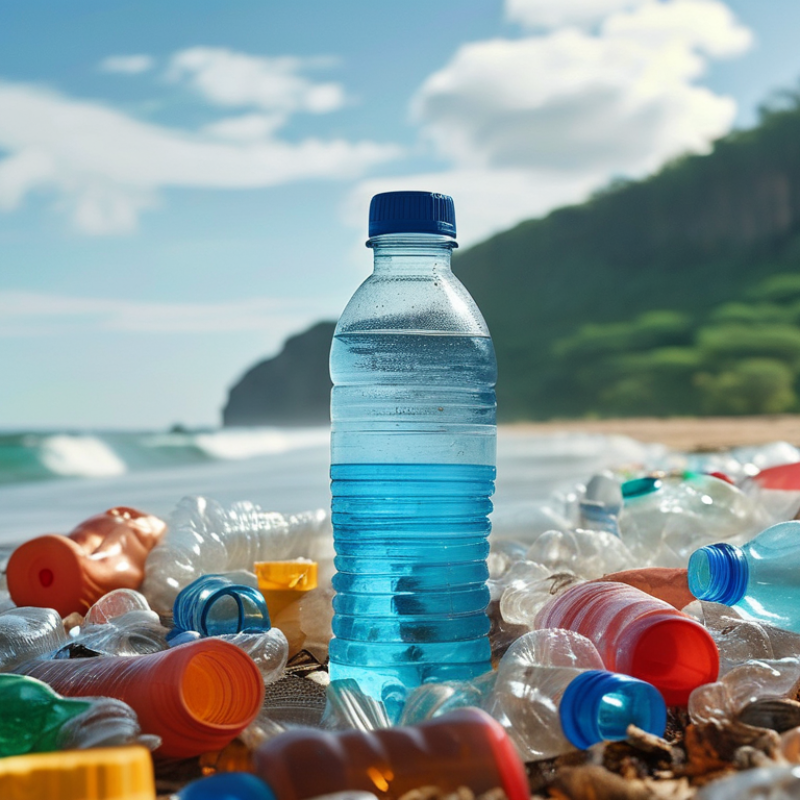
How to Effectively Reduce Plastic Bottle Waste Worldwide

Understanding the Global Impact of Plastic Bottle Waste

Plastic bottle waste is a significant global issue. Reports show that over one million plastic bottles are purchased every minute worldwide. This staggering figure highlights the scale of our consumption. By 2025, it is estimated that this number will rise to 1.3 million. The environmental impact is severe. Only 9% of all plastic waste has ever been recycled.

When plastic bottles enter the ocean, they contribute to marine pollution. Studies reveal that over 700 species are affected by plastic debris. Birds, fish, and sea turtles ingest plastic, mistaking it for food. The toxins in plastic can enter the food chain. This raises concerns about the health impacts on ecosystems and humans.

Recycling rates for plastic bottles vary significantly across countries. In some regions, less than 20% of bottles are recycled properly. This inefficiency means many bottles end up in landfills or waterways. Education on proper recycling practices is essential. There is a pressing need for innovative solutions to reduce waste. More effective systems can help address this ongoing crisis.

How to Effectively Reduce Plastic Bottle Waste Worldwide

Country Annual Plastic Bottle Consumption (Million Units) Recycling Rate (%) Plastic Bottle Waste (Million Units) Environmental Impact Score (1-10)
USA 15000 29 10650 8
China 10000 22 7800 9
India 7000 44 3920 7
Germany 5000 70 1500 4
Brazil 3500 37 2205 6

Identifying Major Sources of Plastic Bottle Pollution

Plastic bottle pollution is a pressing global issue. Reports indicate that over 1 million plastic bottles are purchased every minute worldwide. This staggering figure reveals a significant source of marine litter and carbon emissions. Many bottles end up in oceans, harming wildlife and ecosystems. The impacts are severe, as marine animals often ingest plastic waste, leading to their decline.

Tips: Opt for reusable water bottles. This small change can reduce your plastic usage dramatically. Encourage others to do the same. Simple actions, like using a refillable bottle, can contribute to a larger solution.

The most common sources of plastic bottle pollution include consumer demand, poor recycling rates, and inadequate waste management systems. According to the Global Recycling Foundation, only 29% of plastic bottles are recycled annually. The rest typically contaminates landfills or pollutes waterways. Communities need to address these challenges collectively. Education about proper disposal and recycling can help raise awareness.

Tips: Support local clean-up events. Participating in community efforts can enhance local environments. Focus on advocacy for better waste policies; individuals hold power in influencing changes.

Innovative Strategies for Reducing Plastic Bottle Production

Plastic bottle production contributes significantly to global waste. In 2020, a staggering 480 billion plastic bottles were sold worldwide, according to the International Bottled Water Association. This figure continues to rise, leading to a pressing need for innovative strategies to mitigate this challenge.

One effective solution is the development of biodegradable materials. Research shows that bioplastics can reduce reliance on petroleum-based plastics. These alternatives break down naturally, diminishing environmental impact. Additionally, improving recycling infrastructure can significantly enhance recycling rates. Current figures suggest that only 30% of plastic bottles are recycled, indicating a vast opportunity for improvement.

Educating consumers plays a crucial role. Awareness campaigns can encourage people to choose reusable options. Data from recent studies indicate that switching to reusable bottles could cut plastic waste by up to 70%. However, the transition is slow. Many remain reliant on single-use bottles. This presents an ongoing challenge for advocates of sustainability. Real change requires commitment from both consumers and manufacturers.

Global Plastic Bottle Waste Statistics (2022)

This chart represents the estimated amount of plastic bottles produced, recycled, and wasted in millions per year across various regions. The focus is on strategies to reduce production through innovation in recycling and alternative materials.

Promoting Recycling and Reuse of Plastic Bottles

Plastic bottles are everywhere. They are convenient, but they create a massive waste problem. Promoting recycling and reuse is essential to tackle this issue effectively. Many people are unaware of how to recycle properly. Clear guidelines help individuals understand what can be recycled. For example, rinsing bottles before recycling can improve the process. Education on recycling rules is crucial.

Reusing plastic bottles can also make a significant impact. Simple actions, like using a bottle multiple times, can reduce waste. People can transform plastic bottles into creative planters or storage containers. Crafting projects encourage others to see the value in reusing. Communities can host workshops to inspire creativity with reused materials.

While our efforts can lead to positive change, challenges remain. Some still prefer single-use bottles for convenience. Educating these individuals about the environmental cost is vital. We need to reflect on our habits and strive to make better choices. Understanding the impact of our actions can foster a culture of sustainability. Ultimately, small, consistent efforts in recycling and reuse can lead to significant changes.

Engaging Communities in Plastic Bottle Waste Reduction Initiatives

Engaging communities in plastic bottle waste reduction initiatives is crucial. Plastic waste is a global crisis. Every year, approximately 300 million tons of plastic are produced, and a significant portion becomes waste. Reports suggest that only 9% of plastic waste is ever recycled. This statistic highlights the need for community involvement.

Local efforts can make a tangible difference. Organizing local clean-up events can encourage participation. Residents learn about the impact of plastic waste firsthand. Surveys reveal that 70% of participants in such initiatives expressed increased awareness of environmental issues. Engaging community members fosters a sense of ownership in reducing waste.

Education plays a vital role. Workshops can help teach residents about alternatives to plastic bottles. Many communities have adopted refillable bottle programs, showing a marked decrease in single-use bottle consumption. However, not all areas have access to these programs. It’s essential to address these gaps. Communities must confront barriers to effective waste management. By prioritizing inclusive solutions, sustainability becomes achievable for everyone.

FAQS

: Why is recycling plastic bottles important?

: Recycling helps reduce plastic waste, which is a massive global problem.

How can I properly recycle plastic bottles?

Rinse bottles before recycling. Clear guidelines improve the recycling process.

What are some creative ways to reuse plastic bottles?

Use them as planters or storage containers. Crafting projects encourage reuse.

How can communities participate in reducing plastic waste?

Organize local clean-up events and encourage residents to participate actively.

What impact do education and workshops have on recycling?

Workshops help teach alternatives to plastic, raising awareness about waste issues.

How can we overcome the preference for single-use bottles?

Educating people about environmental costs is vital for changing habits.

What challenges do communities face in implementing recycle programs?

Some areas lack access to refillable bottle programs, creating significant barriers.

How can individual actions lead to community change?

Small actions can inspire others, fostering a culture of sustainability.

What modifications are necessary for effective waste management?

Inclusive solutions must be prioritized to address gaps in recycling access.

Why should we reflect on our plastic use habits?

Understanding our impact can drive better choices and promote sustainability.

Conclusion

Plastic bottle waste is a significant environmental concern that necessitates urgent action. In understanding the global impact of plastic bottle waste, we recognize that oceans, wildlife, and human health are all adversely affected by pollution. Major sources of this pollution include single-use plastic bottles from various sectors, emphasizing the need for innovative strategies to reduce plastic bottle production.

To effectively tackle this issue, it is essential to promote recycling and reuse of plastic bottles, coupled with community engagement in waste reduction initiatives. These strategies not only empower individuals and groups to take action but also create a collective effort toward sustainability. Overall, knowing **how to reduce plastic bottle waste** involves a multifaceted approach that combines education, innovation, and community involvement to make a lasting difference.

Liam

Liam

Liam is a dedicated marketing professional with a profound expertise in the industry, where he excels at highlighting the unique advantages of our core products. With a keen understanding of market trends and consumer needs, Liam frequently updates our company’s professional blog, providing......