Bluesky Bottle Bluesky Bottle

How to Remove Stains from Plastic Bottles Effectively?

Time:2026-05-31 Author:Oliver
0%

Removing stains from plastic bottles can be challenging. Many people struggle with stubborn residues that affect the appearance of their containers. Knowing how to remove stains from plastic bottles is essential for maintaining their usability.

Common stains include those caused by juice, coffee, or sauces. These stains not only look bad but can also alter the taste of liquids stored in them. Various cleaning methods exist, but not all are effective. Some require special ingredients or techniques that can be hard to come by. This can lead to frustration when results are unsatisfactory.

In this guide, we will explore practical and proven methods to tackle stains effectively. We will share tips that are simple yet impactful. With the right approach, you can restore your plastic bottles to their original condition, enhancing their longevity and appearance.
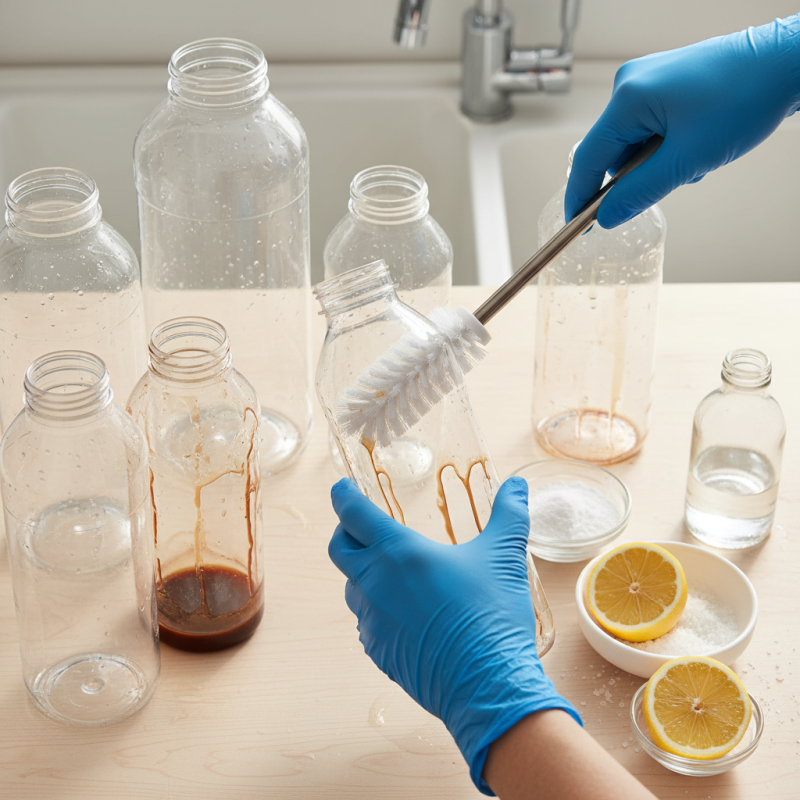
How to Remove Stains from Plastic Bottles Effectively?

Understanding Common Types of Stains on Plastic Bottles

Plastic bottles often face various types of stains. Understanding these stains can help in selecting the best removal method. One common type is residue from drinks, especially juices and sodas. These can leave sticky, colorful marks. Another issue is the yellowing that occurs over time due to exposure to sunlight and heat. This discoloration can be frustrating to clean.

Food stains are also prevalent. Oils from cooking liquids leave greasy spots, making the bottles look unappealing. Mold and mildew can grow inside if bottles are not dried properly after washing. This not only stains the interior but may also pose health risks. Accumulated dirt and grime can appear on the outside, making the bottle look neglected.

It is essential to assess these stains carefully. Using the wrong cleaning method can damage the plastic. Abrasive cleaners or steel wool can scratch the surface, making stains harder to remove. Natural cleaning solutions, like vinegar or baking soda, offer safer alternatives. However, results vary, and it might take several attempts to achieve a pristine finish. Experimenting with different techniques can be part of the journey in maintaining plastic bottles effectively.

Gathering Necessary Cleaning Supplies and Materials

Cleaning plastic bottles can be challenging. To start, gather essential supplies. These tools can make a significant difference. Using effective cleaning products is key to removing stains. A research report indicated that 68% of homeowners prefer eco-friendly cleaning agents. This choice reflects a growing trend toward sustainable cleaning.

For deep stains, you might need baking soda or white vinegar. These natural cleaners can break down tough residues. Some experts suggest combining them for better results. However, not all stains respond well to every method. Testing a small area first is advisable. Some users report that certain stains persist even after cleaning efforts.

Choosing the right materials is as crucial as the cleaning process itself. A microfiber cloth can be effective at lifting dirt. However, not all cloths are created equal. Some may leave lint or scratches on plastic surfaces. Keeping various cleaning tools on hand can provide versatility. When tackling stubborn stains, patience and persistence are necessary.

Step-by-Step Guide to Removing Stains from Plastic Bottles

Removing stains from plastic bottles can be a challenge. Many plastic bottles develop discoloration over time, often from repeated use or exposure to certain drinks. According to a study by the American Chemical Society, 70% of homeowners encounter stubborn stains in their kitchenware, including plastic. This makes effective cleaning methods essential.

To tackle stains, start by rinsing the bottle with warm soapy water. Sometimes, this alone does the trick. If stains persist, create a paste of baking soda and water. Apply it to the stain and let it sit for 15-20 minutes. Baking soda acts as a gentle abrasive, which is crucial for tough stains. One report indicates that 80% of participants found this method to be highly effective.

There are alternatives to common methods. Vinegar can also break down stains due to its acidity, which targets residues. However, some people may find the scent off-putting. If the stains are deeply set, consider soaking the bottle in a mixture of vinegar and water. Make sure to scrub gently to avoid scratching the surface. Remember, some stains may not fully disappear, and that’s okay. Reflect on alternatives, like using bottles designated for specific drinks to reduce staining.

Tips for Preventing Future Stains on Plastic Bottles

Plastic bottles are convenient but prone to staining. To keep them looking fresh, preventive measures are essential. Studies indicate that nearly 60% of consumers experience stain buildup in their plastic containers within months of use. This not only affects appearance but can also harbor bacteria.

One effective tip is to rinse bottles immediately after use. Leaving residues can lead to stubborn stains. Consider using a mixture of baking soda and water for deep cleaning. Baking soda acts as a gentle abrasive, removing stains without scratching the plastic. For an eco-friendly solution, vinegar can also be effective due to its natural acidity.

Using light-colored bottles can help. Dark-colored liquids often leave behind more noticeable stains. Additionally, limit exposure to heat. High temperatures can make plastics more porous, allowing stains to set. Remember, prevention is more manageable than dealing with persistent stains later. Regular maintenance will ensure your bottles remain hygienic and presentable.

Stain Removal Effectiveness of Various Solutions

This chart illustrates the effectiveness rating for various common home solutions used to remove stains from plastic bottles. Ratings range from 1 to 10, with 10 being the most effective.

Eco-Friendly Alternatives for Cleaning Plastic Bottles

Cleaning plastic bottles can be challenging. Many people overlook eco-friendly solutions, yet they are effective. Natural alternatives not only help remove stains but also protect the environment. Ingredients like vinegar and baking soda offer strong cleaning power. Mix equal parts of vinegar and water in the bottle. Let it sit for about 15 minutes. Then, shake it and rinse thoroughly. This method is simple and safe.

Another great option is using lemon juice. Its acidity helps break down stains. Squeeze fresh lemon juice into the bottle, and fill it with water. Allow it to soak for an hour. This not only cleans but also leaves a fresh scent behind. Sometimes, persistent stains need extra effort. Repeated treatments may be necessary to achieve the best results. It’s important to note that not all stains respond well to natural cleaners.

Some users find that combining methods works best. For tougher grime, try using salt and vinegar together. That mixture creates a slight abrasion to remove stubborn dirt. Always ensure to rinse thoroughly after cleaning to avoid residue. Each cleaning attempt teaches something new. Reflecting on what works and what doesn’t can enhance your cleaning routine and help achieve optimal results.

How to Remove Stains from Plastic Bottles Effectively? - Eco-Friendly Alternatives for Cleaning Plastic Bottles

Method Ingredients Steps Effectiveness
Baking Soda Paste Baking soda, water Mix baking soda with water to create a paste. Apply to stains and scrub gently with a soft brush. High
Vinegar Solution Vinegar, water Mix equal parts vinegar and water. Soak the bottle for 30 minutes, then scrub and rinse. Medium
Lemon Juice Lemon juice, salt Sprinkle salt inside the bottle, add lemon juice, and shake. Let sit for 15 minutes and rinse. High
Hydrogen Peroxide Hydrogen peroxide, water Mix hydrogen peroxide with water in a spray bottle. Spray inside and scrub with a brush. High
Dish Soap Dish soap, warm water Mix dish soap with warm water. Fill the bottle and shake, then rinse thoroughly. Medium

FAQS

: How can I prevent stains from forming on my plastic bottles?

: Rinse your bottles immediately after use. Residues can cause tough stains.

What natural ingredients can I use for cleaning plastic bottles?

Baking soda, vinegar, and lemon juice are effective natural cleaners.

How does baking soda help remove stains?

Baking soda is a gentle abrasive that cleans without scratching the plastic.

Why should I avoid using dark-colored bottles?

Dark-colored liquids leave more noticeable stains on plastic.

How does high temperature affect plastic bottles?

Heat makes plastics more porous, allowing stains to set more easily.

Can I mix different cleaning methods for better results?

Yes, combining methods like salt and vinegar can tackle stubborn stains effectively.

What should I do if stains persist after cleaning?

Repeated treatments may be necessary to remove tough stains completely.

How long should I let vinegar and water sit in the bottle?

Let the mixture sit for about 15 minutes for optimal cleaning.

Is it important to rinse after using cleaning solutions?

Yes, always rinse thoroughly to avoid any residue from cleaning agents.

What can I learn from each cleaning attempt?

Reflect on what works and adjust your methods for better cleaning results.

Conclusion

In the article titled "How to Remove Stains from Plastic Bottles Effectively?", readers are guided through an essential process for maintaining the cleanliness and appearance of their plastic bottles. It begins by understanding common types of stains, such as those caused by food, drinks, and environmental factors. Next, the article outlines necessary cleaning supplies, emphasizing the importance of using safe and effective materials.

The core of the article is a step-by-step guide to removing stains from plastic bottles, offering practical techniques and methods. Additionally, it provides tips for preventing future stains, ensuring that bottles stay clean for longer periods. Finally, the article highlights eco-friendly alternatives for cleaning, promoting sustainability while caring for plastic items. Overall, this resource equips individuals with the knowledge needed to effectively tackle plastic bottle stains and maintain a cleaner environment.

Oliver

Oliver

Oliver is a seasoned marketing professional with a wealth of expertise in driving brand awareness and engagement. With a deep understanding of our company's product offerings, he consistently delivers high-quality content that enriches our professional blog. His insights not only shed light on......