Bluesky Bottle
Plastic pollution is a pressing environmental issue. Millions of plastic bottles enter landfills every year. According to a recent report by the World Economic Forum, only 9% of plastic ever gets recycled. This stark data highlights a critical question: "What is the best way to dispose plastic bottles?"
Dr. Emily Turner, a leading environmental scientist, emphasizes the impact of proper disposal methods. She states, “Effective disposal of plastic bottles is vital for reducing ocean pollution.” Her insights drive home the importance of understanding disposal options. Many people still lack knowledge about recycling protocols.
Many cities now offer specialized collection bins for plastic bottles. However, public awareness remains low. This gap leads to improper disposal practices. We must reflect on our habits. Are we truly disposing of plastic waste responsibly? It's time to rethink our approach to plastic bottle disposal.
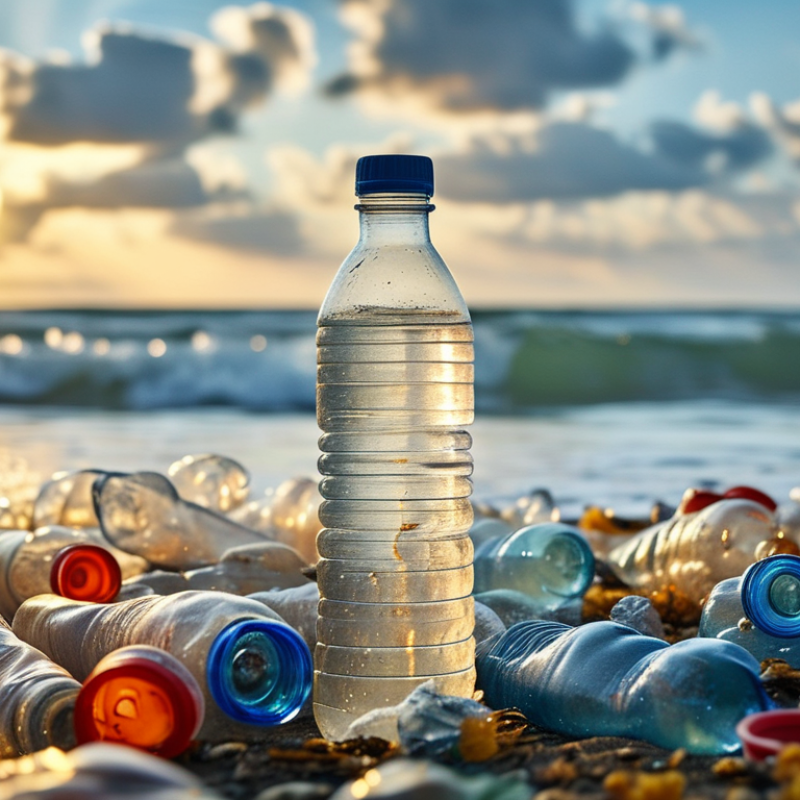
Plastic bottles are ubiquitous in our daily lives. They serve multiple purposes but leave a significant mark on the environment. When discarded improperly, they contribute greatly to pollution. Millions of plastic bottles end up in landfills each year. This situation leads to soil contamination and harms wildlife.
The environmental impact of plastic bottles goes beyond litter. They take hundreds of years to decompose. During this time, they break into microplastics, which infiltrate ecosystems. These tiny particles can be ingested by marine animals. Consequently, toxins enter the food chain, affecting human health eventually. We underestimate this cumulative effect.
Addressing these issues requires collective responsibility. Proper disposal and recycling are key. However, many people still toss bottles without thought. Education about recycling practices is essential. We need to reflect on our habits. Small changes can create a big difference in reducing plastic pollution. Awareness is the first step toward creating a sustainable future.
When it comes to plastic bottles, many communities struggle with effective disposal. Identifying local recycling programs is crucial for responsible waste management. According to the Environmental Protection Agency, only about 29% of plastic bottles were recycled in 2020. This creates a significant environmental challenge.
Finding a local recycling program can greatly enhance the recycling rate in your area. Many municipalities offer curbside pickup for recyclable materials. Contact your local waste management office to learn about their specific guidelines. Some areas have drop-off centers where residents can leave bottles for recycling. It’s essential to check if these centers accept various types of plastics.
Engaging in local recycling initiatives can feel overwhelming. You might wonder if your efforts truly make a difference. Small actions, however, can lead to substantial impacts on your community. Your participation helps shift the recycling rate towards a more sustainable future. It’s a small step for you but a giant leap for waste management. Consider partnering with local organizations to raise awareness about plastic bottle recycling. Collective efforts can showcase the importance of this cause.
| City | Recycling Program Name | Drop-off Locations | Contact Number |
|---|---|---|---|
| New York | NYC Recycling | Various parks and community centers | (212) 639-9675 |
| Los Angeles | L.A. Recycle | City Hall, Public Libraries | (213) 473-7050 |
| Chicago | Chicago Recycling Initiative | Community centers, Local high schools | (312) 744-7600 |
| Houston | Houston Recycle More | Municipal Solid Waste Management Sites | (713) 837-0311 |
| Phoenix | Phoenix Recycle Program | City parks, Recycling drop-off locations | (602) 262-6251 |
Recycling plastic bottles is vital for the planet. Proper cleaning and preparation are essential steps. Start by rinsing the bottle thoroughly with warm water. This removes residues that could interfere with the recycling process. Ensure that the cap is removed, as it is often made from a different type of plastic that may not be recyclable.
Next, remove any labels. Sometimes, labels can contain adhesives that complicate recycling. You can soak the bottle in warm soapy water and gently scrub to detach the label. If they don’t come off easily, be mindful of what tools you use. Harsh scrubbing can leave scratches that affect the bottle’s recyclability.
Finally, let the bottles dry completely before placing them in the recycling bin. Dry bottles are less likely to attract pests or develop odors. It’s easy to forget these steps in our busy lives. However, taking a moment to prepare bottles can make a significant difference. Reflecting on our habits can lead to improved recycling practices and a cleaner environment.
Plastic bottles are ubiquitous in our daily lives, and they often end up in landfills. However, before deciding to dispose of them, consider their potential alternative uses. Repurposing these bottles can reduce waste and spark creativity.
One great idea is to turn a bottle into a plant watering device. By cutting a small opening in the cap and burying the bottle upside down in the soil, it can slowly release water to nourish your plants. This method not only helps your garden but also manages water resources. Similarly, you can transform bottles into bird feeders. Cut openings to allow birds to access seeds, and hang them in your backyard. This simple project supports local wildlife and adds life to your garden.
Another alternative is crafting. Plastic bottles can be transformed into storage containers or organizers. Cut them into halves to create small bins for desk supplies. They can also serve as creative craft materials for children.
However, some may find it challenging to embrace these ideas. The thought of creative reuse might seem overwhelming. Starting small is key; try a simple project, and reflect on the waste you could prevent. Every small action counts.
When it comes to disposing of non-recyclable plastic bottles, many people feel uncertain. Unfortunately, tossing these bottles in the regular trash is often not enough. It’s essential to understand the impact of improper disposal on the environment. Burning or burying plastic can release harmful substances into our soil and air.
One effective method is to repurpose plastic bottles before disposal. Use them for gardening, storage, or even craft projects. This not only extends their life but reduces waste. If repurposing isn't an option, consider local community programs focused on hazardous waste. Many cities offer collection events to dispose of hard-to-manage items safely.
Another strategy is to explore eco-friendly alternatives. Buying products with minimal or no plastic can help reduce overall consumption. Reflecting on our choices can inspire better habits. It's not always easy, but understanding our role in plastic waste management can lead to positive changes.
: Plastic bottles contribute to pollution and take hundreds of years to decompose. They harm wildlife and soil.
Plastic bottles break into microplastics, which can be ingested by animals. This leads to toxins entering the food chain.
Proper disposal and recycling are key. Small changes in habits can create significant differences.
Repurpose them for gardening or storage. If not possible, look for community programs to dispose of them safely.
Many people toss bottles carelessly. Education helps build awareness and encourages proper recycling practices.
Consider opting for products with minimal or no plastic. Reflecting on choices can inspire better habits.
No, burning plastic releases harmful substances. It's better to find alternative disposal methods.
Use them for craft projects or storage solutions. This extends their life and reduces waste.
They can take hundreds of years to decompose, causing long-lasting environmental effects.
Yes, many do. The cumulative effects of plastic pollution on health and ecosystems are often overlooked.
Plastic bottles pose a significant environmental threat, making it crucial to understand their impact and proper disposal methods. When considering what is the best way to dispose plastic bottles, it's essential to explore local recycling programs that can help minimize waste. Preparing bottles for recycling involves cleaning them thoroughly and ensuring they're free of contaminants. Additionally, individuals can creatively repurpose plastic bottles for various uses before considering disposal.
For bottles that aren’t recyclable, safe disposal methods should be followed to prevent harm to the environment. This includes checking for community programs or designated disposal sites that handle non-recyclable plastics responsibly. By understanding these steps, we can contribute to a healthier planet and reduce the detrimental effects of plastic pollution.
