Bluesky Bottle
Keeping our environment clean is essential. Plastic bottles are convenient but can pose a safety risk if not properly cleaned. Knowing how to clean plastic bottles safely is crucial for those who reuse them. Many people overlook harmful bacteria that can accumulate inside the bottles.
In this guide, we will explore practical tips for effective cleaning. You will learn about safe cleaning agents and the proper techniques to eliminate germs. However, some methods are often misunderstood, leading to ineffective cleaning. For example, using too hot water can warp some plastics. Awareness of these pitfalls will enhance your cleaning routine.
Whether you use bottles for hydration or storage, ensuring they are clean is vital. A safe cleaning process not only protects your health but also preserves the integrity of the bottles. Follow our tips to maintain both safety and functionality, making your cleaning experience efficient and reliable.
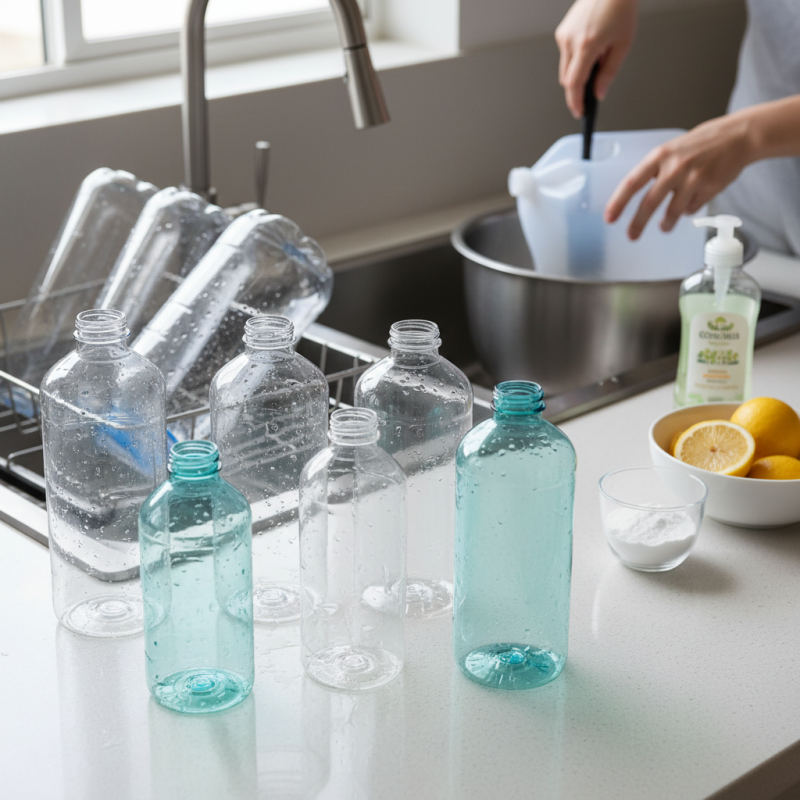
Cleaning plastic bottles is crucial for ensuring our safety and health. Over time, bottles can harbor bacteria and residues that can be harmful. Properly cleaning them helps maintain cleanliness and prevents contamination. Many people overlook this step, thinking a quick rinse is sufficient. However, effective cleaning requires more attention to detail.
One tip is to use warm, soapy water. Warm water helps dissolve residues better than cold water. Along with soap, a small brush can reach tough spots. Rinse thoroughly afterward to remove any soap. Another essential point is to avoid using harsh chemicals. They can leave harmful residues. Instead, consider vinegar or baking soda as natural alternatives. They are effective yet safe for your bottles.
After cleaning, air-dry the bottles upside down. This prevents bacteria growth by allowing water to drain completely. Sometimes we neglect to dry them properly, creating a damp environment for germs. Regular cleaning of plastic bottles is not just about appearance; it’s essential for our well-being. Staying mindful of these practices contributes to healthier habits.
Choosing the right cleaning supplies for plastic bottles is essential for effective sanitation. Many experts recommend using dish soap mixed with warm water. This solution can remove food residues and bacteria effectively. The CDC states that proper cleaning can reduce the presence of pathogens by up to 99%.
When selecting cleaning supplies, consider using brushes with soft bristles. They can reach tight areas better than sponges. Avoid abrasive materials, as they may scratch the plastic. Studies show that scratched surfaces can harbor bacteria more effectively. Additionally, eco-friendly cleaners are increasingly popular; they offer a gentle yet effective cleaning option.
It's necessary to check for signs of wear. Discolored or warped bottles cannot be cleaned effectively. Regular inspection and appropriate cleaning tools are crucial. Many people overlook these details, compromising their health. Getting the right supplies can be the difference between a bottle that’s safe and one that carries risks.
| Tip Number | Cleaning Tip | Recommended Supplies | Safety Note |
|---|---|---|---|
| 1 | Rinse immediately after use | Water | Prevents residue buildup |
| 2 | Use hot, soapy water | Dish soap, hot water | Avoid boiling water |
| 3 | Use a bottle brush | Bottle brush | Gentle scrubbing recommended |
| 4 | Sanitize with vinegar | White vinegar | Strong smell; use in ventilated area |
| 5 | Baking soda for odors | Baking soda, warm water | Rinse thoroughly after use |
| 6 | Avoid harsh chemicals | Natural cleaners | Chemical residues can be harmful |
| 7 | Air dry completely | Drying rack | Prevents mold growth |
| 8 | Check for damage | Visual inspection | Replace damaged bottles |
| 9 | Use soft cloths | Microfiber cloth | Avoid scratching |
| 10 | Store properly | Cool, dry place | Prevents degradation |
Cleaning plastic bottles safely is essential to ensure your health and hygiene. According to a study by the Environmental Protection Agency (EPA), improper cleaning can lead to harmful bacterial growth. A systematic approach to cleaning can help maintain the integrity of the bottles and protect you from potential contamination.
Begin with rinsing the bottle thoroughly with hot water. This step removes any leftovers and can reduce bacteria. Add a teaspoon of baking soda or a few drops of liquid dish soap inside the bottle. Both substances are effective in breaking down residues. Make sure to shake the bottle well, then let it sit for a few minutes. Remember, the temperature of the water plays a critical role. Studies suggest that temperatures above 60°C can significantly enhance cleaning efficacy.
After rinsing, assess the freshness of the bottle. If there’s a lingering smell, consider using a mixture of vinegar and water. This natural remedy is known for its deodorizing properties. For thorough sanitation, the Centers for Disease Control and Prevention (CDC) recommends allowing the bottle to air dry completely. Avoid using abrasive sponges, as they can scratch the surface and lead to more bacteria hiding in crevices. Regularly cleaning your plastic bottles increases their lifespan too. Aim for cleaning every few days, especially for reusable bottles. Staying consistent limits the growth of germs and helps you practice good hygiene.
Cleaning plastic bottles properly involves more than just washing. After cleaning, drying and storing the bottles appropriately is vital to prevent bacterial growth. According to the Environmental Protection Agency (EPA), improperly dried bottles can harbor harmful bacteria like E. coli, which thrive in moist environments. It’s best to air-dry them completely before storage. Placing them upside down on a clean dish rack is a simple yet effective method.
When storing cleaned bottles, keep in mind the materials and the environment. Ideal conditions are cool and dry. A study published in the Journal of Applied Microbiology emphasizes that UV light exposure can help in reducing bacteria on plastic surfaces. However, storing bottles in dark, damp areas should be avoided. Such environments can lead to mold and bacterial resurgence. Regularly check stored bottles for any signs of residue or moisture. This can be a cue that they need another cleaning.
Remember, even with the best practices, not all cleaning methods are foolproof. Trying different techniques and regularly assessing their effectiveness will aid in refining your cleaning routine. Awareness of the limitations of various cleaning protocols is key to ensuring both safety and hygiene for reusable plastic bottles.
Plastic bottles are a common sight in our daily lives. However, they can harbor harmful bacteria if not cleaned properly. Regular maintenance of these bottles is crucial for your health. Start by rinsing them with hot water immediately after use. This simple step removes most residues. Consider using a mixture of vinegar and baking soda for deeper cleaning. This combination effectively combats odors and bacteria.
To prevent bacteria growth, avoid storing your plastic bottles in damp areas. Keep them in a cool, dry place instead. Sunlight can degrade the plastic over time, making it less effective. If your bottles develop scratches, it's time to replace them. Scratched surfaces can trap bacteria. Each time you refill, visually inspect the bottle for wear and tear.
Lastly, label your bottles with a date. This practice reminds you of their age and when to clean or replace them. Recognizing the signs of deterioration helps maintain good hygiene. Bacteria can thrive in unnoticed spots, so be vigilant. Remember, your health should never be compromised by overlooked cleaning habits.
: Rinse the bottle thoroughly with hot water to remove leftovers and reduce bacteria.
Add a teaspoon of baking soda or a few drops of liquid dish soap.
Use a mixture of vinegar and water to help deodorize the bottle.
Air-dry them completely by placing them upside down on a clean dish rack.
Store them in a cool, dry area, avoiding dark and damp places.
Check for signs of residue or moisture and clean them if necessary.
Yes, exposure to sunlight can degrade plastic over time.
Replace bottles that develop scratches, as they can trap bacteria.
Label each bottle with a date to remind you when to clean or replace it.
Aim to clean them every few days to maintain good hygiene and limit germs.
Cleaning plastic bottles is essential for maintaining hygiene and preventing bacteria growth. Understanding the importance of cleaning these bottles properly sets the foundation for good health practices. To clean plastic bottles safely, it is crucial to choose the right cleaning supplies that are effective and non-toxic. A step-by-step guide can help ensure that every part of the bottle is thoroughly cleaned, from the neck to the base.
After washing, drying and storing the bottles properly are key practices to avoid contamination. It's also beneficial to implement tips for maintaining plastic bottles, such as regular cleaning and inspecting for wear and tear, which can prevent the buildup of harmful bacteria. By following these guidelines on how to clean plastic bottles safely, you can ensure that your bottles remain safe for use and healthy for your well-being.