Bluesky Bottle Bluesky Bottle

How to Choose Safe Plastic Bottles for Kids at Canton Fair?

Time:2026-03-25 Author:Mason
0%

Choosing safe plastic bottles for kids is essential for their health and well-being. At the Canton Fair, parents and buyers face endless options. It can be overwhelming to find bottles that are both safe and practical. One must consider various factors, including material and certifications.

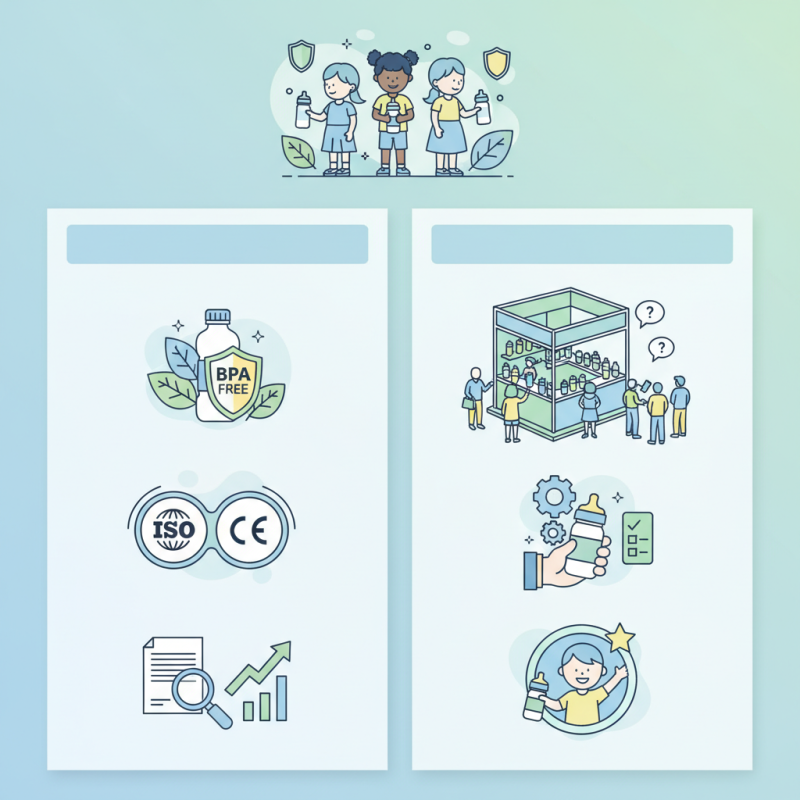
How to choose safe plastic bottles for kids? Look for bottles made from BPA-free plastics. These materials are known to be safer for children's use. Certifications like ISO and CE are crucial indicators of safety standards. Unfortunately, not all suppliers prioritize these guidelines. This makes it important to do thorough research before committing to a purchase.

Navigating the vast displays at the Canton Fair requires smart strategies. Many exhibitors might claim their products are safe, but it pays to ask detailed questions. Inspect the design and composition of each bottle. Notice whether they are easy for children to handle. The importance of these choices cannot be overstated. Kids deserve safe and reliable products, and finding them may require extra effort.
How to Choose Safe Plastic Bottles for Kids at Canton Fair?

Understanding Plastic Types: Safety Ratings for Kids' Bottles

When selecting plastic bottles for kids, understanding plastic types is crucial. Different plastics have varying safety ratings. Some are considered safe, while others contain harmful chemicals. Look for bottles made from polyethylene (PET) or polypropylene (PP). These materials have safer profiles. However, not every bottle labeled "BPA-free" is entirely safe.

Be cautious with polyvinyl chloride (PVC) and polystyrene (PS). These plastics may release toxic substances. They can leach harmful chemicals, especially when exposed to heat. Check for recycling codes on the bottom of the bottle. Codes 1, 2, and 5 generally indicate safer options.

Keep in mind that not all manufacturers prioritize safety. It's essential to scrutinize labels carefully. Sometimes, the absence of information is a red flag. Take note of how the bottle is used; prolonged exposure to sunlight can make even safe plastics less reliable. Select bottles wisely and keep your child's health in mind.

Identifying Child-Safe Features in Plastic Bottles

When selecting plastic bottles for kids, safety is paramount. Not all plastics are created equal. Look for BPA-free and phthalate-free materials. These substances can harm children's health. Parents must check for safety certifications, which indicate compliance with safety standards.

Consider the bottle design. A sturdy bottle should withstand drops. Look for rounded edges to prevent injuries. Lightweight bottles are easier for little hands to grip. Transparency helps parents monitor fluid levels. However, some bottles can stain over time. This might signal potential degradation of materials.

Lastly, the cap is often overlooked. Ensure it seals tightly to prevent leaks. A cap that’s easy for kids to open promotes independence. Still, it should not be a choking hazard. Always examine the bottle closely. Look for imperfections and cracks that may indicate weak spots. Engaging in this careful selection process can boost your child's safety and overall experience.

Evaluating BPA and Phthalate-Free Options

When selecting plastic bottles for kids at the Canton Fair, a key focus should be on safety. BPA (Bisphenol A) and phthalates are chemicals often found in plastics. They can pose health risks, especially for children. Parents should prioritize bottles labeled as BPA-free and phthalate-free. However, not all products with these labels guarantee safety.

It's essential to inspect the materials used in the bottles. Some manufacturers may use substitutes that aren't thoroughly tested. Questions should arise: Are these alternatives really safe? Scrutinizing labels and asking manufacturers about their materials can reveal a lot. Look for bottles made from Tritan or polyethylene, both considered safer options.

Aesthetic factors shouldn't overshadow safety. Colorful designs may catch the eye, but safety should come first. Check for certifications as well. Is there a standard the product meets? Sometimes, packaging gives insight into the safety measures taken. Parents might feel overwhelmed, but taking time to research will pay off. Always engage in critical thinking when choosing products for your children.

How to Choose Safe Plastic Bottles for Kids at Canton Fair? - Evaluating BPA and Phthalate-Free Options

Bottle Type Material BPA-Free Phthalate-Free Capacity Weight Price (USD)
Sippy Cup Polypropylene (PP) Yes Yes 10 oz 150 g 5.00
Water Bottle Eastman Tritan™ Yes Yes 12 oz 120 g 7.50
Juice Bottle High-Density Polyethylene (HDPE) Yes Yes 16 oz 180 g 4.50
Baby Bottle Silicone Yes Yes 8 oz 130 g 6.00
Lunch Box Bottle BPA-Free Plastic Yes Yes 14 oz 160 g 5.75

Checking for Compliance with Safety Standards and Regulations

When choosing plastic bottles for kids at the Canton Fair, safety is paramount. Start by checking for compliance with safety standards. Look for labels that indicate adherence to regulations. It’s important that the bottles are BPA-free. This chemical can be harmful to children. A reliable supplier should provide documentation. This verifies their products meet safety criteria.

Tips: Inspect for smooth edges and non-toxic materials. Soft spouts should not have sharp parts. Always ask about the manufacturing process. If they can’t provide clear answers, consider other options.

Another crucial aspect is to evaluate the durability of the bottles. Kids can be rough with their belongings. A flimsy bottle may break easily, causing possible injury. Test the bottle's flexibility. A good plastic bottle should withstand daily use without cracking. Check for any unpleasant odors too; this can indicate harmful chemicals.

Tips: Choose bottles that are easy to clean. Parents appreciate products that are dishwasher safe. If the product cannot be cleaned effectively, it may become a breeding ground for bacteria. Always consider the long-term use of the bottles.

Choosing the Right Size and Design for Kids' Needs

When selecting plastic bottles for kids, size and design are crucial. A bottle should fit comfortably in a child's small hands. Consider a capacity of 12 to 16 ounces for younger children. This size encourages proper hydration without overwhelming them. A smaller bottle also reduces the risk of spills.

Design matters too. Bright colors and fun shapes can attract kids. Look for features like easy-to-open lids. Many kids struggle with complicated caps. A simple flip-top or straw can be user-friendly. However, watch for tiny parts. They may pose choking hazards.

Consider your child's age and preferences. What works for toddlers may not suit older kids. Reflect on their daily activities. Active children need durable bottles. Think about how often the bottle will be used. Daily wear may cause wear and tear. Choose materials that can withstand these challenges. With careful thought, you can select safe, practical bottles that kids will love.

Comparison of Safe Plastic Bottles for Kids

FAQS

: What types of plastic are considered safe for kids' bottles?

: Look for bottles made from polyethylene (PET) or polypropylene (PP). They are generally safer options.

Are all "BPA-free" bottles truly safe?

Not every BPA-free bottle is entirely safe. Always check other safety indicators.

How can I identify harmful plastics?

Be cautious with PVC and polystyrene (PS). These can leach toxic substances under heat.

What should I check for on the bottle's label?

Look for recycling codes. Codes 1, 2, and 5 usually indicate safer bottles.

Why is inspecting bottle edges important?

Smooth edges reduce the risk of injury. Sharp parts in spouts can pose a danger.

How can I assess a bottle’s durability?

Test for flexibility. A good bottle should not crack easily with daily use.

What if a bottle has an unpleasant odor?

An unpleasant smell can indicate harmful chemicals. It's best to avoid such bottles.

Is it essential to ask about the manufacturing process?

Yes, clear answers about the process ensure safety and quality standards are met.

Why should bottles be easy to clean?

Easy-to-clean bottles prevent bacterial growth. This is crucial for your child's health.

How can sunlight affect plastic bottles?

Prolonged sunlight exposure can compromise even safe plastics. Choose wisely for safety.

Conclusion

When considering how to choose safe plastic bottles for kids, it's essential to start by understanding different plastic types and their safety ratings. Parents should look for bottles that are specifically designed for children, which often feature child-safe elements such as easy-to-grip designs and spill-proof lids. Another crucial factor is to evaluate options that are BPA and phthalate-free, as these chemicals can pose health risks.

Additionally, checking for compliance with established safety standards and regulations is vital to ensure the bottles are safe for use. Finally, selecting the right size and design tailored to children's needs can enhance their overall experience, making hydration fun and accessible. With careful consideration of these aspects, parents can confidently choose safe plastic bottles for their little ones while navigating options available at events like the Canton Fair.

Mason

Mason

Mason is a seasoned marketing professional with a deep expertise in the company's offerings and a passion for driving brand awareness. With a strong background in digital marketing strategies, he has an innate ability to connect with diverse audiences and effectively communicate product benefits.......