Bluesky Bottle Bluesky Bottle

China Top Food Safe Plastics What Should You Know?

Time:2026-04-29 Author:Amelia
0%

Understanding food-safe plastics is essential for consumers and businesses alike. The global market for food packaging, valued at over $300 billion, underscores its significance. A critical concern arises when we ask, "What plastics are safe for food and drinks?" According to a report by the FDA, certain plastics, such as polyethylene (PE) and polypropylene (PP), are deemed safe for food contact.

However, not all plastics share this classification. Research indicates that some plastics can leach harmful substances. For instance, bisphenol A (BPA), often found in polycarbonate plastics, poses health risks. Studies show that BPA exposure can disrupt endocrine functions, raising alarms in various health circles. While regulations exist, consumers may still encounter risks, making it vital to stay informed.

Selecting food-safe plastics requires understanding material properties and certifications. For instance, the recycling identification code can guide consumers. Despite efforts to educate the public, awareness remains insufficient. Many still unknowingly use unsafe materials for food packaging. The landscape is complex, and ongoing vigilance is necessary in the quest for safer choices.
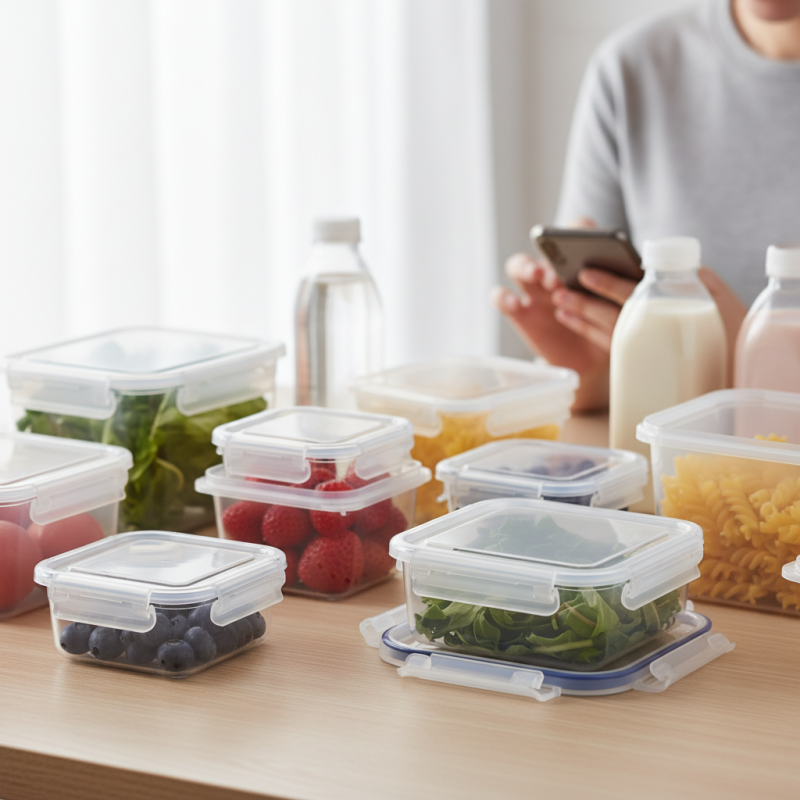
China Top Food Safe Plastics What Should You Know?

Overview of Food Safe Plastics in China

In recent years, food-safe plastics have gained attention in China. These materials ensure that food remains uncontaminated during storage and preparation. The Chinese government emphasizes standards for food safety. Awareness among consumers is rising, particularly concerning health risks associated with unsafe plastics.

Various types of plastics meet safety regulations. Polyethylene, for instance, is commonly used for food packaging. It is lightweight, durable, and resistant to moisture. BPA-free options are becoming popular as well, reflecting concerns over chemical leaching. However, not all manufacturers comply with safety standards. This discrepancy raises questions about quality control and consumer safety.

Navigating the marketplace can be challenging. Consumers should look for certifications that validate the safety of food plastics. Research and reviews can highlight reputable sources. Transparency is crucial. However, not every brand provides clear information. This lack of clarity can mislead buyers. Conducting thorough research is essential for ensuring safety when purchasing food-safe plastics in China.

China Top Food Safe Plastics - Overview of Food Safe Plastics in China

Plastic Type Safety Rating Common Uses Recyclability
Polyethylene Terephthalate (PET) Grade A Bottles, Containers Yes
High-Density Polyethylene (HDPE) Grade A Milk Jugs, Juice Bottles Yes
Polyvinyl Chloride (PVC) Grade B Food Wrap, Bottles Limited
Low-Density Polyethylene (LDPE) Grade A Bags, Films Yes
Polypropylene (PP) Grade A Containers, Straws Yes
Polystyrene (PS) Grade C Cups, Plates Limited
Bamboo Fiber Composites Grade A Tableware, Containers Yes

Common Types of Food Safe Plastics Used in China

In China, food safe plastics are essential for maintaining food safety and hygiene. Common types include polyethylene (PE), polypropylene (PP), and polycarbonate (PC). These materials are widely used due to their durability and resistance to chemicals. PE is often used in packaging. It’s lightweight and flexible. PP is great for food containers, as it withstands high temperatures.

Another important type is PET, typically used in beverage bottles. This plastic is recyclable, promoting environmental sustainability. It’s essential for consumers to know the differences. While these plastics are generally safe, improper use can lead to contamination. For example, reheating food in certain plastics can release harmful substances.

Understanding the properties of these materials is crucial. Not all plastics are created equal. Regulatory standards help ensure safety, but awareness is key. Observing expiration dates and proper storage practices can mitigate risks. Overall, knowledge of food safe plastics empowers consumers to make informed choices about their food packaging and storage.

Regulations Governing Food Safe Plastics in China

In China, regulations on food safe plastics are strict and evolving. The government focuses on consumer safety and environmental impact. Various standards have been established to ensure that plastics used in food packaging do not leach harmful substances. These regulations can vary by region, so it is essential to stay informed.

Understanding the key regulations is crucial for businesses and consumers alike. Manufacturers must comply with GB 4806.1-2016, which outlines the safety specifications for food contact materials. They must also ensure that the plastics pass rigorous testing. Compliance helps maintain public trust in food safety.

Tips for consumers: Always check for certification marks on plastic products. Look for labels indicating compliance with Chinese safety standards. Educate yourself about the recycling codes on plastics. This knowledge can guide your purchasing decisions and help promote safer food packaging practices. Staying vigilant is part of ensuring your safety.

Best Practices for Using Food Safe Plastics

When using food safe plastics, knowing best practices can ensure safety and longevity. Not all plastics are created equal. Always check for recycling codes. Codes 1, 2, 4, and 5 are generally safe for food contacts. They’re less likely to leach harmful substances.

Consider the lifespan of food containers. Over time, even safe plastics can degrade. Look for signs of wear, such as scratches or discoloration. These can harbor bacteria and compromise food safety. Dispose of any damaged containers promptly.

Tips:

  • Use microwave-safe containers for reheating.
  • Never store hot food in plastic.
  • Clean these containers with mild detergents only.

Storing food in plastic can be convenient but requires mindfulness. Glass or stainless steel can be better alternatives for certain foods. Reflect on your usage patterns. Are you prioritizing convenience over safety? Always weigh your options carefully.

Environmental Impact and Recycling of Food Safe Plastics

The environmental impact of food safe plastics is significant. These materials are essential for ensuring food safety, but their life cycle raises concerns. Plastic waste contributes to pollution and harms wildlife. We must recognize the challenge of balancing convenience with sustainability.

Recycling is an important yet complex solution. Many food safe plastics can be recycled, but public awareness is lacking. Contamination from food residues often makes recycling difficult. Efforts to enhance recycling technology are ongoing, yet the need for better consumer education remains. It's vital to foster a culture of proper disposal and recycling.

The reliance on single-use plastics is troubling. Alternatives exist, but they aren't always practical. Biodegradable options have potential but require optimal conditions to break down. Each step in improving our practices demands reflection. Understanding the true cost of convenience is crucial for future progress.

FAQS

: What types of food safe plastics are commonly used?

: Common types include polyethylene (PE), polypropylene (PP), and polycarbonate (PC). They ensure food safety.

What is polyethylene (PE) used for?

PE is often used in packaging. It is lightweight and flexible, making it ideal for various needs.

How does polypropylene (PP) perform under heat?

PP withstands high temperatures, making it perfect for food containers. It helps maintain food integrity.

What is the significance of PET in food packaging?

PET is commonly used for beverage bottles. It is recyclable, which supports environmental sustainability.

Can food safe plastics be harmful?

Improper use can lead to contamination. For example, reheating food in certain plastics may release harmful substances.

What is the environmental impact of food safe plastics?

Food safe plastics are crucial but contribute to pollution and harm wildlife due to their life cycle.

Why is recycling food safe plastics challenging?

Recycling is complex. Food residues often contaminate plastics, making it harder to recycle effectively.

Are there alternatives to single-use plastics?

Alternatives exist, but they may not be practical. Biodegradable options may need ideal conditions to break down.

How can consumers improve recycling practices?

Better education on proper disposal and recycling is essential. Awareness can help reduce contamination issues.

What should consumers reflect on regarding convenience?

Understanding the true cost of convenience is key. Each choice impacts the environment and future sustainability.

Conclusion

China has been at the forefront of developing and regulating food safe plastics to ensure consumer safety. An overview of food safe plastics reveals that these materials are specifically designed to be safe for contact with food and drinks. Common types include polyethylene (PE), polypropylene (PP), and PET, widely used in packaging and containers. Regulations governing these plastics are stringent, focusing on preventing contamination and ensuring the materials do not leach harmful substances into food items.

When considering what plastics are safe for food and drinks, it's essential to be aware of the best practices for usage, such as avoiding temperatures that exceed the material's safety limits and using appropriate recycling methods. The environmental impact of food safe plastics is increasingly significant, prompting discussions about recycling and alternative materials. By understanding these aspects, consumers can make informed choices about their plastic use while supporting sustainability initiatives in China.

Amelia

Amelia

Amelia is a seasoned marketing professional with a wealth of expertise in our company’s core offerings. With an unwavering passion for driving growth and innovation, she plays a pivotal role in shaping our marketing strategies and enhancing brand visibility. A key aspect of her responsibilities......