Bluesky Bottle Bluesky Bottle

How to Check If a Plastic Bottle is Safe for Use?

Time:2026-06-26 Author:Liam
0%

When it comes to using plastic bottles, safety is a major concern. Many people overlook the risks associated with their choices. Understanding how to check if a plastic bottle is safe can help prevent health issues in the long run.

First, it’s important to recognize the recycling codes found on the bottom of most plastic bottles. These codes indicate the type of plastic used and its safety for food storage. Not all plastics are created equal. Some can leach harmful chemicals into your drinks, especially when exposed to heat or sunlight.

Additionally, keep an eye out for signs of wear and tear. Scratches and cloudiness can signal that a bottle is no longer safe for repeated use. This awareness is critical for consumers who rely on plastic bottles daily. By being informed, you can make safer choices and protect your health. Exploring how to check if a plastic bottle is safe allows for better decision-making and a proactive approach to wellness.
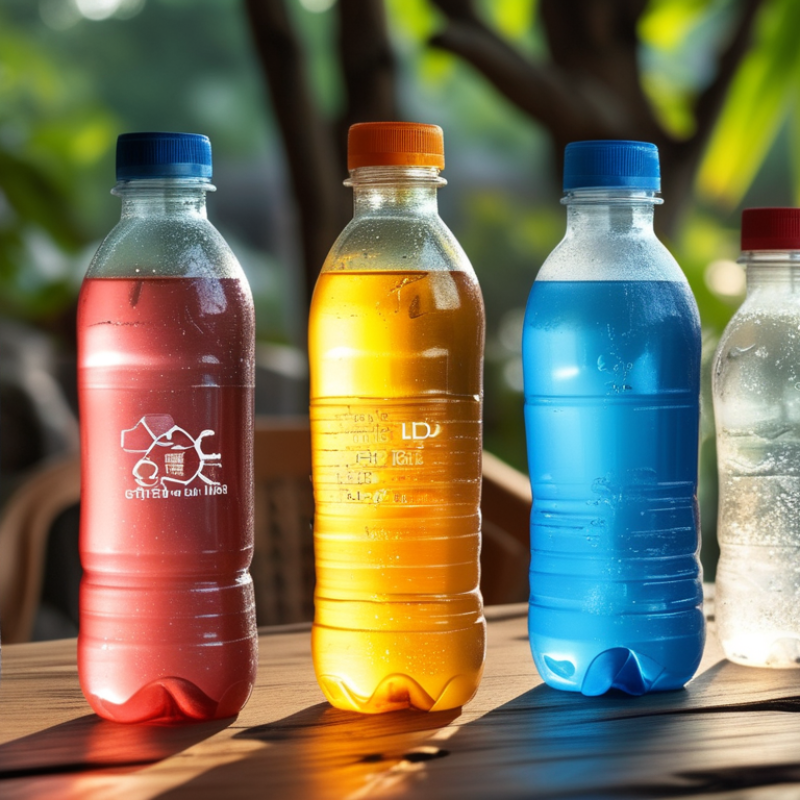
How to Check If a Plastic Bottle is Safe for Use?

Types of Plastics Used in Bottles and Their Safety Ratings

When selecting a plastic bottle, it's essential to know the type of plastic used and its safety rating. Common plastics include PET, HDPE, and LDPE. Each plastic has different properties that influence safety. PET is widely used for soft drink bottles. It's generally regarded as safe. However, with prolonged exposure to heat, it can release harmful substances.

HDPE is another popular choice. It's more durable and resistant to impact. This plastic is often used for milk jugs and detergent bottles. It has a good safety rating. However, always inspect your bottles for flaws. Small cracks can lead to contamination.

**Tips**: Check for recycling codes. This small number on the bottom indicates the plastic type. Be cautious with bottles that have been reused multiple times. Over time, they may harbor bacteria. Lastly, avoid heating plastic. High temperatures can change the integrity of the plastic. Remember, safety is a priority when it comes to using plastic bottles.

Identifying Recycling Codes and Their Implications for Safety

When evaluating a plastic bottle for safety, it's essential to understand the recycling codes found on the bottom. Each code represents a different type of plastic, which has various implications for safety and usage. For instance, codes 1 and 2, where PET and HDPE are prevalent, are generally considered safe for single use. However, bottles marked with codes 3 (PVC) and 7 (other) may pose health risks as they can leach harmful substances.

Tips: Look for bottles with recycling codes 1 and 2 for safe options. Avoid using bottles with codes 3 and 7 for hot liquids.

Older plastic bottles might not adhere to current safety standards. They can degrade over time, causing changes in the material. This degradation can lead to bacteria growth or chemical leaching. It's crucial to inspect age and signs of wear.

Tips: If a bottle is cracked or discolored, consider disposing of it. Clean bottles regularly to minimize contamination. When in doubt, choose glass or stainless steel alternatives for safety reasons.

Common Chemical Risks Associated with Plastic Bottles

When using plastic bottles, it's crucial to be aware of the potential chemical risks. Many bottles contain harmful substances like BPA and phthalates. BPA can mimic hormones in the body, potentially disrupting endocrine functions. Phthalates, often used to soften plastics, may leach into liquids. This poses significant health risks over time.

Another concern is the degradation of plastics under heat and sunlight. Repeated exposure can lead to the release of toxins. Bottles left in a hot car or reused frequently can become unsafe. It's essential to look for recycling codes on the bottom of the bottle. Codes 1 and 2 are generally safer, while codes 3, 6, and 7 may contain harmful chemicals.

Choosing the right bottle is not always straightforward. Many people might assume all plastics are safe, but this isn't true. The presence of certain chemicals can cause silent long-term health issues. It’s essential to stay informed and scrutinize your plastic bottle choices to ensure safety for you and your family.

Common Chemical Risks Associated with Plastic Bottles

Guidelines for Safe Use and Storage of Plastic Bottles

When choosing a plastic bottle, understanding its safety is crucial. Many plastics contain chemicals that can migrate into food or beverages. According to the American Chemistry Council, approximately 55% of plastic bottles are safe for food use. Look for bottles labeled with numbers 1, 2, 4, and 5, as these typically indicate safer materials like polyethylene and polypropylene.

Storage conditions also play a vital role. Exposure to heat can cause harmful chemicals to leach from the plastic. The National Institutes of Health warn against leaving plastic bottles in hot environments. This includes cars or direct sunlight. Ideally, store bottles in a cool, dark place to ensure safety. Regularly check for signs of wear, such as cracks or cloudiness. These indicators suggest it’s time to recycle the bottle.

In addition, avoid reusing single-use plastic bottles. They are not designed for long-term use. Studies indicate that bacteria can build up on the surface over time, especially if bottles are not cleaned properly. Take extra steps to wash reusable bottles frequently using warm, soapy water. A recent study from the Journal of Environmental Health noted that nearly 60% of reusable water bottles harbored bacteria, stressing the importance of maintenance. The key is to stay informed about materials and care practices to ensure safe drinking experiences.

How to Check If a Plastic Bottle is Safe for Use? - Guidelines for Safe Use and Storage of Plastic Bottles

Criteria Description Safe for Use?
Recycling Code Check the bottom of the bottle for a recycling code. Codes 1 (PETE) and 2 (HDPE) are generally considered safe. Yes
BPA-Free Ensure the bottle is labeled as 'BPA-free' to avoid exposure to harmful chemicals. Yes
Temperature Resistance Plastics that can withstand high temperatures (typically above 120°C) without leaching chemicals are preferable. Yes
Visible Damage Inspect for cracks, chips, or cloudiness; such signs indicate that the bottle should not be reused. No
Storage Conditions Store in a cool, dark place away from sunlight to avoid degradation. Yes
Usage Duration Do not use plastic bottles for more than a few months to minimize risk of chemical leaching. Yes

Signs of Degradation and How They Affect Safety in Bottles

When assessing the safety of a plastic bottle, one key factor is its state of degradation. Plastic degrades over time due to exposure to heat, light, and repeated use. You may notice discoloration, cracks, or brittleness in the plastic. These signs indicate that the bottle may not be safe for storing liquids. Degradation can lead to microplastics leaching into the contents, potentially posing health risks.

Another crucial aspect to consider is the bottle's intended use. Some plastics are not designed for repeated use, especially for beverages. If a plastic bottle is intended for single use only, using it multiple times can accelerate degradation. Look for any visible wear and tear. Hairline cracks can easily go unnoticed but might compromise the bottle's integrity. Ensure you inspect the surface regularly, as these small signs often lead to larger issues.

It's important to reflect on how we handle plastic items. Many people may underestimate the longevity of their bottles, thinking they are safe as long as they look intact. However, trusting your intuition without a thorough check can lead to unsafe consumption. Being diligent in observing subtle changes can make a significant difference in health and safety.

FAQS

: What do recycling codes on plastic bottles indicate?

: Recycling codes indicate the type of plastic used, impacting safety and usage.

Which recycling codes are considered safe for plastic bottles?

Codes 1 (PET) and 2 (HDPE) are generally regarded as safe for single use.

Why should I avoid plastics with codes 3 and 7?

Codes 3 (PVC) and 7 may leach harmful chemicals, posing health risks.

What should I check for in older plastic bottles?

Inspect for age, cracks, or discoloration, as these can indicate safety issues.

How can heat affect plastic bottles?

Exposure to heat can cause harmful chemicals to leach, making the bottle unsafe.

Are all plastic bottles safe for repeated use?

No, single-use plastic bottles are not designed for long-term use and can harbor bacteria.

What are common harmful chemicals found in plastic bottles?

Many plastic bottles contain BPA and phthalates, which can disrupt hormonal balance.

What storage conditions are recommended for plastic bottles?

Store bottles in a cool, dark place to prevent chemical leaching from heat exposure.

How often should I clean reusable bottles?

Clean them frequently using warm, soapy water to minimize bacteria buildup.

Is it sufficient to just look for the recycling code?

While important, it's also crucial to consider other factors like age and storage conditions.

Conclusion

To determine how to check if a plastic bottle is safe for use, it's essential to understand the types of plastics commonly used and their safety ratings. Different plastics have varying levels of risk associated with them, identifiable through recycling codes. For example, codes 1 (PET) and 2 (HDPE) are generally considered safer than others like code 3 (PVC), which may leach harmful chemicals.

In addition to recognizing the recycling codes, it's vital to be aware of common chemical risks tied to certain plastics, such as BPA and phthalates, which can pose health threats. Following guidelines for safe use—like avoiding extreme temperatures and checking for signs of degradation, such as cracks or cloudiness—can help ensure that your plastic bottle remains safe for consumption. By staying informed about these factors, consumers can make educated choices regarding plastic bottle safety.

Liam

Liam

Liam is a dedicated marketing professional with a profound expertise in the industry, where he excels at highlighting the unique advantages of our core products. With a keen understanding of market trends and consumer needs, Liam frequently updates our company’s professional blog, providing......