Bluesky Bottle
Unpleasant odors in plastic bottles can be perplexing. Many consumers encounter this issue without understanding its roots. What causes odors in plastic bottles? This question is vital for anyone using these common containers.
Plastic bottles are made from various materials, primarily polyethylene and PET. When exposed to heat or sunlight, these bottles can release volatile compounds. These compounds lead to unpleasant smells. Bacteria may also thrive inside bottles, especially if they are not cleaned properly. This accumulation of bacteria can produce odors that linger.
The storage conditions of bottles play a crucial role. Bottles kept in damp or closed environments can develop musty smells. Additionally, residues from beverages left inside bottles can create a breeding ground for odor-causing agents. Understanding these factors is critical for maintaining the freshness of plastic bottles. Recognizing what causes odors in plastic bottles empowers consumers to take proactive steps in their maintenance.
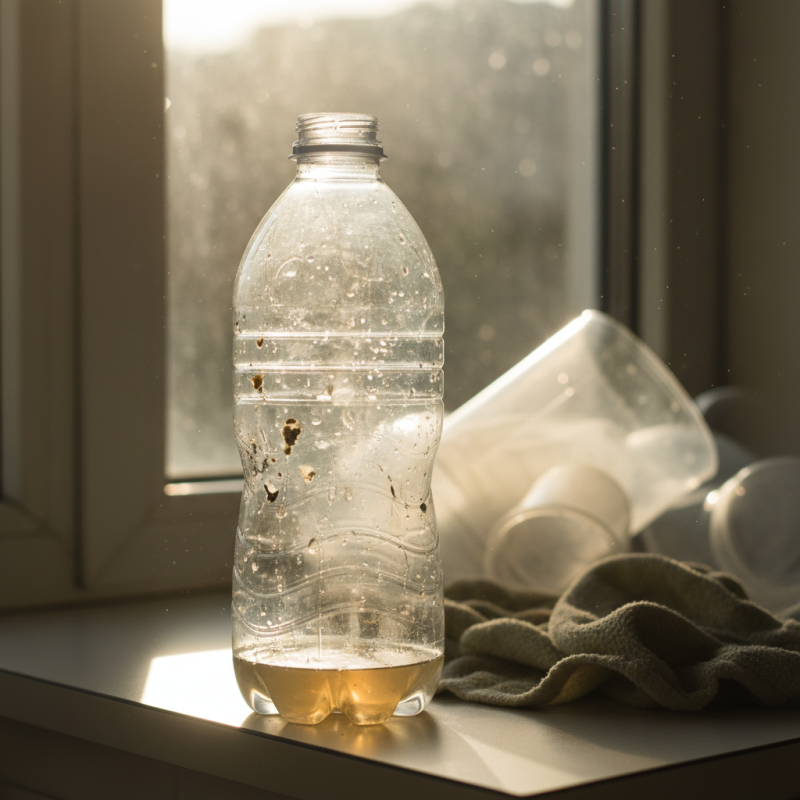
Unpleasant odors in plastic bottles can often be linked to several causes. The main culprit is typically microbial growth. Studies show that bacteria and mold thrive in damp environments. When a plastic bottle is not dried thoroughly, moisture creates an ideal breeding ground. This can lead to the production of foul-smelling compounds.
Another significant factor is the degradation of the plastic itself. Over time, especially with exposure to heat and UV light, plastic may break down. This degradation produces volatile organic compounds (VOCs), which can emit strong, unpleasant odors. Research indicates that certain plastics can release up to 1,000 different VOCs under these conditions. This not only affects the smell but may also impact the safety of the liquid stored inside.
In addition, residual substances from previous contents can contribute to odors. If a bottle previously held a flavored beverage or a syrupy substance, traces may linger and mix with newer liquids. Even with routine washing, some residues prove difficult to eliminate. Therefore, maintaining cleanliness and proper drying of plastic bottles is essential. Regular inspections and the use of safe cleaning methods can significantly reduce odor issues.
Plastic bottles are often convenient but can harbor unpleasant odors. Understanding the compounds that cause these odors is important for consumers. Many odor-causing substances in plastics derive from the manufacturing process. These may include residual chemicals like phthalates, which are used to increase flexibility. Phthalates can lead to musty smells, particularly in reused bottles.
Another common source of odor in plastics is the degradation of the material itself. Over time, exposure to heat and light can break down plastic, releasing volatile organic compounds (VOCs). A study by the American Chemical Society found that some plastics emit over 30 different VOCs, contributing to unpleasant smells. Storing liquids in plastic bottles can exacerbate this issue, as certain beverages may interact with these compounds.
In addition, bacterial growth can also cause odors. When bottles are not cleaned thoroughly, bacteria thrive. This can generate a pungent smell that is hard to eliminate. Research indicates that plastic surfaces can harbor bacteria that produce various odorous compounds. Frequent washing with hot, soapy water may help, but residue sometimes remains. This complex interplay of materials and microorganisms reveals the ongoing challenge of maintaining freshness in reusable plastic bottles. Understanding these factors can aid consumers in choosing better options and in maintaining their bottles effectively.
Temperature and environmental conditions significantly influence the odor formation in plastic bottles. Research indicates that plastics can undergo chemical changes when exposed to high temperatures. At elevated levels, materials used in these bottles, such as polyethylene and polypropylene, can start to break down. This breakdown often results in the release of volatile organic compounds (VOCs), which can create unpleasant smells. A study from the American Chemical Society found that prolonged exposure to heat increased VOC emissions, leading to more intense odors.
Furthermore, the environment plays a crucial role. Humidity can contribute to the growth of mold and mildew inside plastic bottles. When these microorganisms thrive, they can produce musty odors that are difficult to eliminate. The U.S. Environmental Protection Agency (EPA) notes that maintaining proper storage conditions is vital for minimizing odor issues. They recommend keeping plastic bottles away from direct sunlight and high-humidity areas.
**Tips:**
1. Store plastic bottles in a cool, dark place to reduce odor formation.
2. Regularly clean bottles with mild soap and water to prevent microbial growth.
3. Avoid leaving bottles in hot cars, as temperatures can rise rapidly.
Creating the right environment for your plastic bottles is essential. It's a simple effort that can keep them smelling fresh and pleasant.
| Temperature (°C) | Duration (Days) | Environmental Factor | Odor Intensity (1-5) | Chemical Compounds Detected |
|---|---|---|---|---|
| 25 | 3 | High humidity | 2 | Benzene, Acetaldehyde |
| 30 | 5 | Low light exposure | 4 | Styrene, Toluene |
| 15 | 7 | Dark and cold | 1 | None detected |
| 40 | 2 | Direct sunlight | 5 | Formaldehyde, Acrolein |
| 20 | 10 | Ventilated room | 3 | Ethylene, Propylene |
Unpleasant odors in plastic bottles often stem from contaminants and residues left behind after use. Various materials and substances can interact with plastic, leading to the growth of bacteria and mold. According to a study conducted by the American Society for Microbiology, nearly 60% of reusable plastic bottles showed signs of microbial contamination. This suggests that improper cleaning and storage contribute significantly to odor issues.
Residues from previous contents, such as sugary drinks or sauces, can exacerbate the problem. Even a small amount of residue can foster an environment for odor-causing bacteria. Research from the International Journal of Food Science highlights that bottle cleaning practices are often insufficient. Many users do not wash their bottles thoroughly, which allows contaminants to thrive.
Additionally, the type of plastic used can play a role in odor retention. Some plastics are more porous and can absorb odors more easily than others. This raises questions about the long-term safety and usability of plastic bottles. As awareness grows around the importance of proper cleaning and material selection, changes may be necessary in consumer habits and product designs.
Unpleasant odors in plastic bottles often stem from bacteria, mold, and remnants of previous contents. These factors can create a scent that lingers even after washing. The material of the plastic itself can also absorb odors over time, making it difficult to eliminate them completely.
Regular cleaning is essential. Always wash your bottles with hot, soapy water after each use. This helps remove any residual substances. Consider using a bottle brush to reach difficult areas. Vinegar or baking soda can work wonders for tough odors—just let them sit in the bottle for a few hours before rinsing.
Storage matters too. Avoid keeping bottles in warm, damp places where bacteria thrive. Ensure they are completely dry before sealing them. If you notice an odor, don’t ignore it. Sometimes, it’s a sign that your bottle may need a deeper clean. The goal is to keep your bottles fresh and safe for repeated use.
: Unpleasant odors often arise from microbial growth due to moisture. Bacteria and mold thrive in damp conditions.
Yes, degradation from heat and UV light can produce strong odors. Plastic may release volatile organic compounds over time.
Residual substances from past contents can linger. These traces mix with newer liquids, causing persistent smells.
Wash bottles with hot, soapy water after each use. A bottle brush helps clean hard-to-reach areas effectively.
Yes, vinegar can help eliminate tough odors. Let it sit in the bottle for hours before rinsing.
Store bottles in cool, dry places. Ensure they are completely dry before sealing to prevent bacteria growth.
Don't ignore strange odors. It may indicate the need for a deeper clean or that the bottle is worn out.
Sometimes odors linger even after cleaning. Older bottles may absorb smells over time, making removal difficult.
Regular inspections and proper drying are vital. It helps keep bottles fresh and safe for repeated use.
Avoid harsh chemicals that can degrade the plastic. Stick to safe and gentle cleaning methods.
Unpleasant odors in plastic bottles can arise from several factors, primarily associated with the materials and conditions surrounding the bottles. What causes odors in plastic bottles is often linked to the release of volatile organic compounds (VOCs) from the plastic itself, as well as from external contaminants. Common culprits include residual substances from previous contents, bacteria build-up, and the degradation of the plastic material over time, all of which can lead to the development of unpleasant smells.
Environmental factors such as temperature and humidity also play a crucial role in odor formation. High temperatures can accelerate the breakdown of plastic and enhance the emission of odor-causing compounds. Additionally, contaminants and residues left inside the bottles can interact with the plastic, further contributing to odor issues. To mitigate these problems, preventive measures such as proper cleaning, appropriate storage conditions, and using high-quality materials can significantly reduce the likelihood of odors developing in plastic bottles.
