Bluesky Bottle
China’s recyclable bottle industry is moving from simple disposal toward measurable circularity. What are the benefits of recyclable bottles? They can reduce virgin plastic demand, support resource efficiency, and improve packaging recovery when designed correctly. The OECD’s Global Plastics Outlook reports that only 9% of global plastic waste was recycled in 2019. This figure exposes a clear gap between recyclable packaging and actual recycling.
China offers strong manufacturing capacity, advanced molding technology, and expanding collection networks. PET and HDPE bottles can be sorted, washed, pelletized, and converted into new packaging or fibers. The Ellen MacArthur Foundation’s New Plastics Economy reports consistently stress the importance of designing packaging for reuse and recycling. In practice, this means using compatible materials, minimizing dark pigments, and reducing unnecessary labels or mixed components. A clear PET bottle is easier to identify on a sorting line than a multilayer container.
The environmental benefit is tangible. A recovered bottle can become a new bottle instead of entering landfills or waterways. Recycled resin may also lower dependence on fossil-based feedstocks. However, the picture is not perfect. A recyclable symbol alone proves little. Collection quality, local infrastructure, food-grade standards, and consumer behavior determine the final result. China’s circular economy policies and industry reports encourage better resource recovery, yet regional differences remain significant. Therefore, the best recyclable bottles should be evaluated through material quality, recycled content, production efficiency, and end-of-life performance. This balanced approach supports credible purchasing decisions and avoids exaggerated sustainability claims.
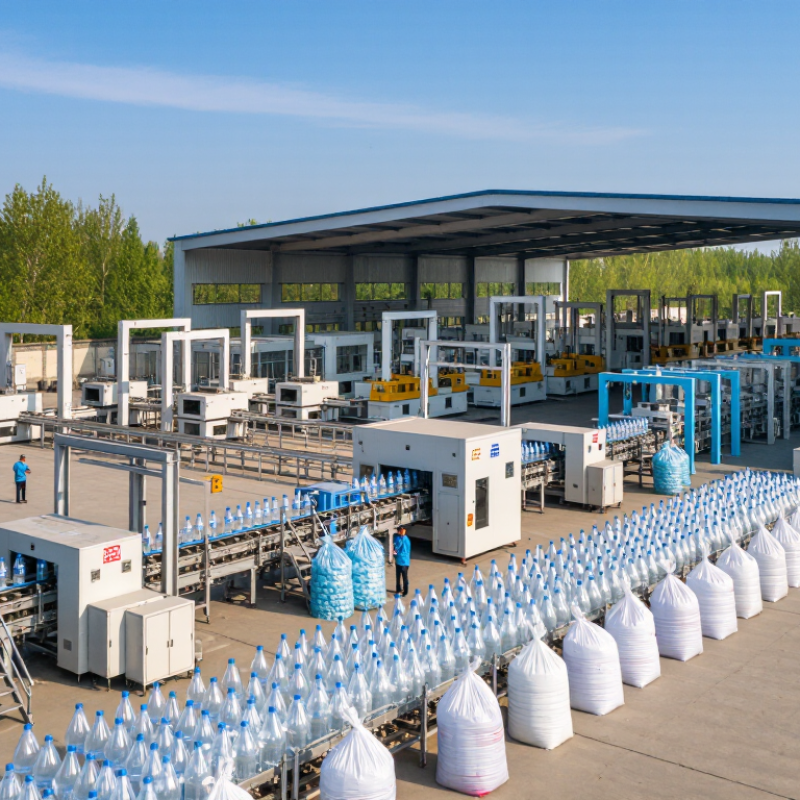
China’s recyclable bottles stand out through practical, production-focused design. Many use PET or HDPE, materials accepted by established recycling systems. Clear PET is often easier to sort than heavily colored plastic. Lightweight walls also reduce transport emissions and material use. However, “recyclable” does not guarantee actual recycling. Local collection and sorting capacity still matter.
What makes these bottles different is their attention to manufacturing efficiency. High-speed molding can produce consistent neck sizes, clean threads, and stable wall thickness. These details help prevent leaks during filling and transport. Some designs use recycled resin, but food-contact applications require careful testing and approved material controls. In packaging evaluations, I would check resin codes, cap compatibility, seal strength, and migration reports. Small defects can become expensive problems.
Tips: Ask for material certificates and recycling test data. Check whether the bottle works with your local recycling system. Avoid dark pigments when clear sorting is important. Keep labels and adhesives easy to remove. Test bottles under heat, pressure, and repeated handling. A bottle may look excellent on a sample table, yet perform poorly after long storage. That gap deserves honest review.
China’s best recyclable bottles are designed to support environmental protection through material choices and practical recovery. PET and HDPE are widely used because recycling facilities can identify, wash, and process them efficiently. Clear PET often has strong recycling value, while dark colors may be harder for optical sorting systems to recognize.
A recyclable bottle should contain one main material whenever possible. Mixed layers, metal sleeves, and heavy adhesives can reduce recovery rates. Lightweight designs also lower transport emissions, but excessive thinning may cause leakage or damage. That trade-off needs testing. In practical packaging reviews, a reliable bottle includes clear resin markings, removable labels, and compatible caps. Recycled content can reduce demand for new plastic, provided it meets applicable food-contact and safety requirements.
The local recycling system matters just as much. A well-designed bottle may still reach landfill if collection is limited or consumers cannot identify the correct disposal route. Manufacturers should document material composition, recycled content, and quality-control procedures. They should also test bottles after repeated processing, because recycled resin can vary in strength and clarity. This is an imperfect system. Better bottle design helps, but collection, sorting, and consumer habits must improve together.
China’s recyclable bottles can lower costs through lightweight design, efficient tooling, and standardized production. A thinner PET bottle may use less resin while keeping enough strength for filling and transport.
Less material. That matters.
Packaging engineers often compare bottle weight, neck size, wall thickness, and pallet performance before approving a design. A 500-milliliter bottle with a lighter preform can reduce resin spending across large production runs. Standard neck finishes may also fit existing caps and filling equipment, avoiding expensive machine changes. High-volume factories can produce molds and components with shorter lead times, which supports more predictable purchasing.
Packaging savings continue after manufacturing. Bottles that stack closely can improve carton use and increase the number of units per pallet. Better pallet density may reduce warehouse space and transport costs. Some suppliers also provide bottles made with recycled PET or recyclable HDPE, depending on the application and local regulations.
However, recycled material quality can vary. A thinner bottle is not automatically better. It may deform during hot filling, lose shape under pressure, or require stronger secondary packaging.
This is where calculations can fail.
Reliable buyers should request resin specifications, leak-test results, compression data, and food-contact documentation when relevant. They should also test bottles with their own caps, labels, filling temperatures, and distribution routes.
Small production trials often reveal problems that a quotation cannot show. Cost reductions become more credible when material savings, packaging efficiency, equipment compatibility, and quality controls are measured together.
The strongest recyclable bottles are designed for a second life before they reach the filling line. In Chinese manufacturing facilities, engineers can reduce unnecessary layers, pigments, and mixed materials. A clear, single-polymer bottle is easier to sort. It is also easier to wash and reprocess. Lightweighting lowers transport emissions, but excessive thinning creates dents and leakage. That trade-off deserves testing. During production reviews, teams can check neck strength, cap fit, label removal, and drop resistance. Small changes matter. A smooth shoulder helps automated sorting equipment identify the container. Standardized shapes can also simplify collection and reprocessing across different facilities. However, “recyclable” does not mean endlessly recyclable. Heat and repeated processing may reduce material performance. Designers should specify suitable recycled content and verify it through controlled trials.
Manufacturing quality determines whether good design survives daily use. Precise molding keeps wall thickness consistent and reduces weak spots. Clean production lines limit contamination from dust, oil, or incompatible plastics. Factory workers can inspect samples, measure weight, and test pressure before shipment. Traceable batch records make defects easier to investigate. That builds trust. Reuse needs a different design approach. A refillable bottle may require thicker walls, durable closures, and surfaces that tolerate repeated washing. It may also need clear instructions for collection and cleaning. In practice, users sometimes discard bottles because labels peel badly or caps disappear. Designers should study these failures, not hide them. The best results come from cooperation among material experts, mold engineers, recyclers, and packaging users. Better bottles are not perfect. They are carefully tested, honestly labeled, and improved when real-world evidence exposes weaknesses.
China’s recyclable bottles serve several industries, but beverage packaging gains the clearest advantage. Water, juice, and sports drink producers need lightweight containers that survive filling, transport, and retail handling. Recyclable PET bottles can reduce material use while keeping transparent product displays. Their value depends on accurate sorting and stable collection systems. Without those systems, a recyclable bottle may still become waste.
Food producers also benefit from dependable bottle shapes and closures. Oils, sauces, and dairy drinks require containers with suitable barriers, seals, and food-contact controls. Chinese manufacturers often provide flexible mold development, allowing companies to test smaller runs before expanding production. This is useful for regional food businesses with changing demand. However, lower prices should never replace migration testing, material traceability, or documented quality checks.
Personal care and household cleaning industries gain from durable HDPE and PET formats. Shampoo, lotion, detergent, and surface-cleaning products need bottles that resist leakage during warehouse storage. E-commerce sellers benefit from lighter packaging and stronger neck designs, especially when parcels face repeated drops. Hotels and institutional kitchens can also reduce packaging waste through standardized refill bottles. The approach is not flawless. Colored plastics, labels, pumps, and mixed materials can complicate recycling. Buyers should inspect the whole package, not only the bottle body. Clear specifications, sample testing, and supplier audits make the environmental claim more reliable.
Lightweight designs use less resin while maintaining enough strength for filling and transport. Less material matters. Standard neck finishes may fit existing caps and filling machines. This can avoid costly equipment changes. However, thinner bottles may deform during hot filling or shipment.
Compare bottle weight, neck size, wall thickness, closure fit, and pallet performance. A lighter 500-milliliter preform may reduce resin use. Closely stacked bottles can increase units per pallet. More units per pallet.
Yes, compact shapes can improve carton use and pallet density. Better stacking may reduce storage space and transport costs. E-commerce parcels still face repeated drops. Stronger necks and suitable secondary packaging may be necessary.
Clear, single-polymer bottles are usually easier to sort, wash, and reprocess. Fewer pigments, layers, and mixed materials can help. Smooth shoulders may support automated sorting. Labels and pumps can still complicate recycling.
No. Heat and repeated processing can reduce material performance. Recycled content should match the application and local requirements. “Recyclable” is not a permanent guarantee. Collection systems also matter.
Request resin specifications, leak-test results, compression data, and relevant food-contact documents. Test bottles with actual caps, labels, filling temperatures, and delivery routes. Small trials reveal problems. Quotations cannot show everything.
Beverage, food, personal care, cleaning, hospitality, and institutional catering industries may benefit. Water and juice containers need strength during filling and transport. Oils, sauces, and dairy products require suitable seals and material controls. Detergent bottles need leak resistance during storage.
A refillable bottle usually needs thicker walls, durable closures, and washable surfaces. It must tolerate repeated handling and cleaning. A recyclable bottle may be lighter and intended for material recovery. These goals can conflict. More durable is not always more sustainable.
China’s recyclable bottles stand out through practical material selection, efficient manufacturing, and designs that support repeated use and easier recycling. What are the benefits of recyclable bottles? They help reduce dependence on virgin resources, lower plastic waste, and conserve energy and water throughout the packaging lifecycle. By using recyclable materials and streamlined production methods, manufacturers can also reduce material consumption, transportation weight, and overall packaging costs. Standardized shapes, durable structures, and clearly considered components make these bottles easier to collect, sort, clean, reuse, and process after disposal.
These advantages make recyclable bottles suitable for many industries, including beverages, food, personal care, household products, and selected industrial applications. Their adaptable designs can meet different capacity, closure, labeling, and transportation requirements while maintaining product protection and visual appeal. As businesses seek more efficient packaging solutions, China’s recyclable bottles offer a practical balance between environmental responsibility, manufacturing efficiency, cost control, and long-term resource recovery.
