Bluesky Bottle Bluesky Bottle

Avoiding Single-Use Plastic Bottles Why It Matters for You?

Time:2026-05-22 Author:Aria
0%

In today’s world, the conversation around plastic consumption is urgent. Many people, including experts, emphasize the need to understand the impact of our choices. Why should we avoid single-use plastic bottles? This question is crucial for our health and the planet’s future.

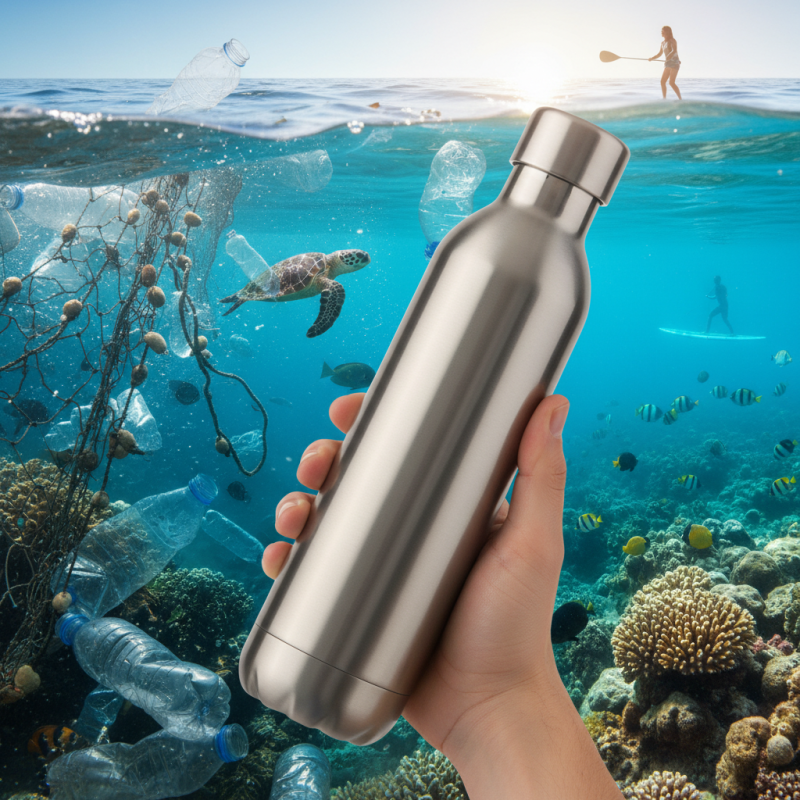
Single-use plastic bottles contribute to immense waste, polluting our oceans and harming wildlife. Each year, millions of these bottles end up in landfills, taking decades to decompose. Every bottle represents a choice we make and a problem we create. Alternatives exist, but the challenge lies in changing habits and perspectives.

Choosing reusable bottles is a small change with a big impact. This shift can reduce plastic pollution significantly. It may seem challenging at first, but it is a step toward a sustainable lifestyle. We must reflect on our consumption patterns and their consequences. Adopting reusable options not only benefits the environment, but it also encourages a healthier relationship with our resources.
Avoiding Single-Use Plastic Bottles Why It Matters for You?

Understanding the Impact of Single-Use Plastics on the Environment

Single-use plastics, especially bottles, are a major environmental concern. According to the United Nations, around 300 million tons of plastic waste are produced yearly. Much of this waste ends up in oceans and landfills, harming wildlife and ecosystems. Single-use bottles contribute significantly to this crisis, as they take hundreds of years to decompose. Research indicates that every year, over 1 million marine creatures die due to plastic pollution.

Reducing your reliance on single-use plastics can help mitigate this issue. Consider switching to reusable water bottles. When you choose this option, you contribute to a reduction in plastic waste. A study by the World Economic Forum shows that if just one in ten people switched to reusable bottles, it could save roughly 5 million tons of CO2 emissions annually. This small change can lead to a significant positive impact on our planet.

Tip: Always carry a reusable bottle. It's a simple step towards sustainability. Additionally, you can participate in local clean-up events to collect plastics from your community. Every small action counts. Reflect on your everyday choices and strive for more environmentally friendly habits. Small changes can lead to substantial benefits for our planet's health.

Health Risks Associated with Drinking from Plastic Bottles

Drinking from plastic bottles may seem convenient, but there are health risks to consider. Many plastics contain harmful chemicals. One of the most concerning is bisphenol A (BPA). BPA can mimic hormones in the body, leading to potential reproductive issues. Pregnant women should be especially cautious.

Beyond BPA, microplastics present an alarming threat. When plastic bottles degrade, tiny particles can leach into your water. Studies show that microplastics can cause inflammation. The long-term effects are still unknown but are a growing concern for health experts.

Many people overlook these dangers. Bottled water is marketed as pure and safe. However, frequent exposure can accumulate in the body. It’s essential to reflect on our daily choices. Choosing alternatives, such as glass or stainless steel, can minimize these risks. Even a small change in habit can lead to healthier choices.

Alternatives to Single-Use Plastic Bottles: Eco-Friendly Options

Single-use plastic bottles pose significant environmental challenges. Fortunately, many eco-friendly alternatives are now available. These options reduce waste and promote sustainability. For instance, stainless steel water bottles offer durability and insulation. They keep liquids hot or cold for extended periods. Glass bottles are another excellent choice. They are non-toxic and recyclable. Both options significantly decrease plastic consumption.

Consider using reusable silicone pouches or collapsible cups. These products are lightweight and can easily fit into your bag. They also make drinking on the go simpler and eco-conscious. Using a filter system or purifier at home allows you to enjoy clean water without the plastic waste.

When switching to alternatives, it’s vital to assess your daily habits. Reflect on your usage patterns. This can lead to more informed decisions. Aim to identify moments where a reusable option serves better. Tracking your consumption can raise awareness about waste. Small changes can collectively make a substantial impact on the environment.

Practical Tips for Reducing Plastic Bottle Usage in Daily Life

Single-use plastic bottles have a significant impact on our environment. In 2020, approximately 350 million tons of plastic were produced globally, with a substantial portion being bottles. Reducing our reliance on plastic bottles is crucial for creating a sustainable future.

One effective way to minimize plastic use is by investing in a reusable water bottle. Stainless steel or glass options are durable and eco-friendly. According to a study by the Container Recycling Institute, reusing a bottle just 15 times can offset the environmental impact of making that bottle new. This change, while simple, requires conscious effort.

Additionally, consider filling your bottle from refill stations. Many cities now provide public water fountains and refill stations. This not only reduces plastic waste but also improves hydration habits. It's important to remind ourselves that small actions can lead to significant changes. Accepting the challenge to reduce single-use plastics fosters better environmental responsibility. Each effort counts, even if perfection doesn't always happen.

Avoiding Single-Use Plastic Bottles: Impact on Daily Life

Reducing single-use plastic bottles is essential not only for environmental conservation but also for promoting sustainable practices in our daily lives. This chart illustrates the average weekly consumption of various types of single-use plastic bottles. By understanding our habits, we can take practical steps to reduce this usage.

The Role of Legislation in Reducing Plastic Waste and Promoting Change

Legislation plays a crucial role in tackling plastic waste. Many regions have introduced bans on single-use plastic bottles. These laws aim to reduce the environmental impact of plastic pollution. They encourage consumers to rely on reusable alternatives. Such actions can significantly lower the volume of plastic ending up in landfills and oceans.

The effectiveness of legislation often depends on public support and awareness. Without community backing, even the best laws can fail. Educating people on the consequences of plastic waste is essential. When individuals understand the impact, they are more likely to comply. Initiatives like educational campaigns can foster positive change.

Sometimes, laws may not go far enough. Certain loopholes can undermine their effectiveness. For example, some exemptions allow limited use of plastic products. This can create confusion about what is acceptable. Continuous dialogue is necessary to refine these policies. The challenge remains in ensuring that legislative efforts are robust enough to make a real difference.

Avoiding Single-Use Plastic Bottles: Why It Matters for You? - The Role of Legislation in Reducing Plastic Waste and Promoting Change

Country Year of Legislation Legislation Type Impact on Plastic Bottles Percentage Reduction in Usage
Germany 2021 Bottle Deposit System Implemented a refund system for returned bottles 30%
France 2020 Ban on Single-Use Plastics Prohibited the sale of plastic water bottles in certain areas 25%
United Kingdom 2019 Plastic Waste Reduction Plan Encouraged refill stations and reusable alternatives 20%
Australia 2022 Statewide Plastic Ban Legislation to phase out single-use plastics 35%
Canada 2021 Single-Use Plastics Prohibition Banned the manufacture and import of plastic bottles 40%

FAQS

: What are single-use plastics?

: Single-use plastics are items designed for one-time use, like plastic bottles.

How much plastic waste is produced annually?

Around 300 million tons of plastic waste are produced each year globally.

What impact does plastic waste have on wildlife?

Plastic pollution harms wildlife, causing the death of over 1 million marine creatures yearly.

How long do single-use bottles take to decompose?

Single-use bottles can take hundreds of years to decompose completely.

What are some ways to reduce single-use plastic?

Switching to reusable water bottles is an effective way to lessen plastic waste.

How can individual actions contribute to environmental change?

Simple actions, like carrying a reusable bottle, can lead to significant improvements for the planet.

Why is legislation important in reducing plastic waste?

Legislation can help reduce plastic waste by banning single-use items and promoting reusable alternatives.

What role does public awareness play in plastic legislation?

Public support and awareness are vital for effective legislation against plastic pollution.

Are current plastic regulations always effective?

Some regulations have loopholes that can confuse compliance and lessen their impact.

How can communities support anti-plastic initiatives?

Participating in local clean-up events can help gather plastics and raise awareness on the issue.

Conclusion

The increasing reliance on single-use plastic bottles poses significant risks to both the environment and human health. Understanding the impact of these plastics is crucial; they contribute to pollution, harm wildlife, and take centuries to decompose. Additionally, concerns have been raised about the health risks associated with leaching chemicals from plastic into beverages, which can affect our well-being.

So, why should we avoid single-use plastic bottles? Transitioning to eco-friendly alternatives, such as reusable stainless steel or glass containers, not only mitigates these risks but also encourages sustainable habits. Implementing practical tips, like carrying a refillable bottle and advocating for better waste management policies, can lead to meaningful change. Furthermore, supportive legislation can play a pivotal role in reducing plastic waste and promoting environmentally conscious behaviors in communities.

Aria

Aria

Aria is a dedicated marketing professional with a deep passion for innovative strategies and a keen understanding of our company's product offerings. With a wealth of experience in the industry, Aria excels at crafting engaging content that highlights the unique features and benefits of our......