Bluesky Bottle
In today’s world, plastic bottles are ubiquitous, yet many consumers still struggle with proper usage. Expert Sarah Thompson, a sustainability advocate, emphasizes, "Many people underestimate the impact of small mistakes with plastic bottles." This reinforces a critical question: What are common plastic bottle mistakes?
Improper storage is a significant issue. For instance, many people leave bottles in hot cars, leading to chemical leaching. They forget that temperature matters. Another common error is neglecting to recycle correctly. Many bottles end up in landfills due to improper disposal, contributing to pollution. It is also essential to check for BPA-free labels, as some bottles might still contain harmful materials.
Awareness of these pitfalls can change habits. It's crucial to recognize that we all make mistakes. Reflecting on our choices can lead to better practices. Avoiding common pitfalls not only promotes personal health but also enhances our environmental impact. It's time to rethink our relationship with plastic bottles.
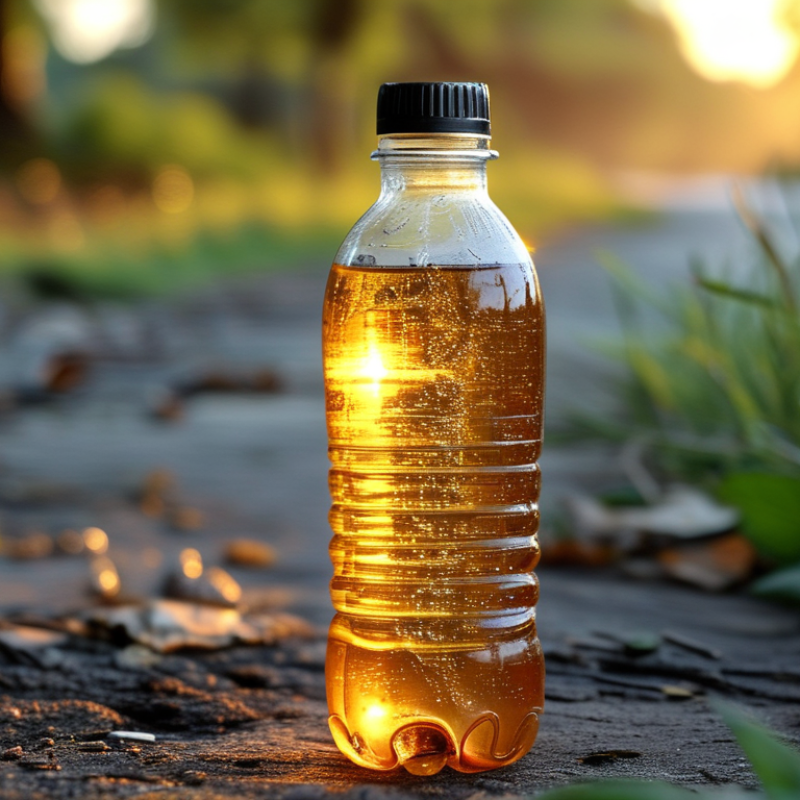
Plastic bottles are a significant environmental issue in 2026. They contribute to pollution and take centuries to decompose. Understanding their impact is crucial for making conscious choices. Poor disposal methods exacerbate the problem. Many bottles end up in oceans and forests, harming wildlife and ecosystems.
To lessen the environmental burden, consider these tips:
- Always recycle your plastic bottles. Check local guidelines to ensure proper disposal.
- Opt for reusable bottles. This not only reduces waste but also saves money over time.
- Support initiatives that promote sustainable materials and resources. Engage with community programs focused on reducing plastic waste.
Awareness is key. Many still underestimate the true cost of single-use plastic. It’s essential to educate others about the impact. Conversations about sustainability are vital for encouraging change. Every small effort counts in the fight against plastic pollution. Together, we can shift towards a more sustainable future.
Recycling plastic bottles often comes with misunderstandings. Many people believe that all types of plastic can be recycled without issues. This isn't true. The recycling process varies by location and the type of plastic used. Not all local facilities accept every plastic bottle.
Another common misconception is that rinsing or cleaning bottles is unnecessary. In reality, it significantly impacts the recycling process. Residual contents can contaminate whole batches of recyclables, making them unsuitable for processing. Taking a moment to rinse out your bottles can enhance their chances of being recycled correctly.
Some individuals assume that depositing bottles in recycling bins is sufficient. Many don’t realize that proper sorting is key. If bottles are placed incorrectly, they could end up in landfills. Understanding these nuances can lead to more effective recycling practices. It’s crucial to educate ourselves about local recycling guidelines and follow them carefully.
Choosing BPA-free bottles is crucial for health safety. BPA, or bisphenol A, is a chemical found in many plastics. Research shows that BPA can leach into beverages, particularly when bottles are heated or worn. The Centers for Disease Control and Prevention (CDC) found BPA in over 90% of people tested. This statistic highlights its widespread presence and potential health risks.
Tips for selecting the right bottle: Always look for labels that specifically state BPA-free. Many alternatives, like stainless steel or glass, don’t contain harmful chemicals. If you choose plastic, verify that it complies with safety standards. Additionally, be cautious about using bottles that are scratched or damaged, as they may leach more chemicals.
It’s easy to overlook these details, but they matter. The World Health Organization states that BPA exposure can disrupt endocrine functions. This can lead to various health issues, including hormonal imbalances and reproductive problems. Awareness is key. Being informed about what materials are in contact with your beverages can help you make better choices.
Using plastic bottles for reuse and refilling is growing in popularity, but it comes with risks. Not all bottles are designed to be reused. Look for the recycle symbol on the bottom. Some may release harmful chemicals after multiple uses. Pay attention to the material type. PETE is generally safer for repeated use, while some other plastics are not.
Cleaning is crucial when reusing bottles. Wash them well with soap and hot water. Bacteria can thrive inside even after just a few uses. Let them dry fully. Damp environments encourage mold growth. Remember, not all caps are reusable. Inspect them for any signs of wear or damage. Swapping caps between different bottles can introduce unwanted bacteria.
Pay attention to how many times you refill a bottle. It's easy to forget how old a bottle is. Over time, scratches and wear can harbor germs. Reflect on your habits and the consequences of reusing plastic. It’s easy to overlook these details, but taking them into account is essential for safety. Keeping these practices in mind can help ensure that you're making healthier and more environmentally responsible choices.
As we move into 2026, innovative alternatives to plastic bottles are becoming increasingly important. Many individuals are seeking more sustainable options that diminish their environmental footprint. Reusable metal containers have surged in popularity. They provide durability and insulation, keeping beverages hot or cold as needed.
Another exciting option is biodegradable packaging. This product breaks down naturally over time. It can replace traditional plastics and minimize waste. Many consumers are curious about these sustainable choices. However, such alternatives can also pose challenges. They may require more care or knowledge about proper disposal methods.
Additionally, compostable bottles made from plant materials are emerging. These offer a fresh perspective on how we interact with packaging. Yet, they come with their own set of complexities. Many people may not understand composting, leading to potential mishaps. Overall, these innovative products signify a shift towards responsible consumption, even as questions remain.
: No, not all plastics are recyclable everywhere. Check local guidelines.
Yes, rinsing is important. Residual contents can contaminate recyclables.
Yes, some bottles release harmful chemicals after multiple uses.
Look for the recycle symbol. PETE bottles are generally safer.
Wash with soap and hot water, then let them dry completely.
Inspect caps for damage. They can harbor bacteria if worn.
Reflect on usage. Over time, wear and scratches can harbor germs.
Incorrectly sorted bottles may end up in landfills instead of recycling.
No, acceptance varies by location. Always check local policies.
It's best not to mix them. Follow sorting guidelines for efficiency.
In 2026, the environmental repercussions of plastic bottles have become increasingly concerning, prompting a need for greater awareness about what are common plastic bottle mistakes. Many individuals still hold misconceptions about the recycling process, leading to improper disposal that exacerbates waste problems. Understanding the importance of selecting BPA-free bottles is crucial for health safety, as these alternatives minimize health risks associated with chemical exposure.
Best practices for reusing and refilling plastic bottles can significantly reduce plastic waste, yet it's essential to ensure cleanliness and safety in this practice. As the market evolves, innovative alternatives to traditional plastic bottles are gaining traction, presenting consumers with sustainable options that can further mitigate environmental damage. By recognizing and avoiding common pitfalls, individuals can contribute to a healthier planet and promote responsible consumption in the age of plastic awareness.
