Bluesky Bottle
In recent years, the conversation around sustainability has intensified. Individuals and companies alike seek answers to the question, “What are alternatives to plastic bottles?” Experts in the field, such as Dr. Emma Green, an environmental scientist, emphasize the urgent need for change. She stated, “Transitioning away from plastic bottles is not just a choice; it’s a necessity for our planet’s future.”
Various alternatives have emerged, including reusable stainless steel and glass bottles. These options reduce waste and are more durable. However, many people still hesitate to make the switch. The ingrained habit of using single-use plastic bottles proves challenging to break. There’s also the concern about the potential risks associated with some materials.
Despite these challenges, the movement towards eco-friendly solutions is gaining momentum. Community initiatives promoting sustainable practices are on the rise. Companies offering innovative alternatives are growing in number. Ultimately, addressing the question "What are alternatives to plastic bottles?" opens a door to broader discussions about environmental responsibility. The shift requires collective effort and commitment from everyone involved.
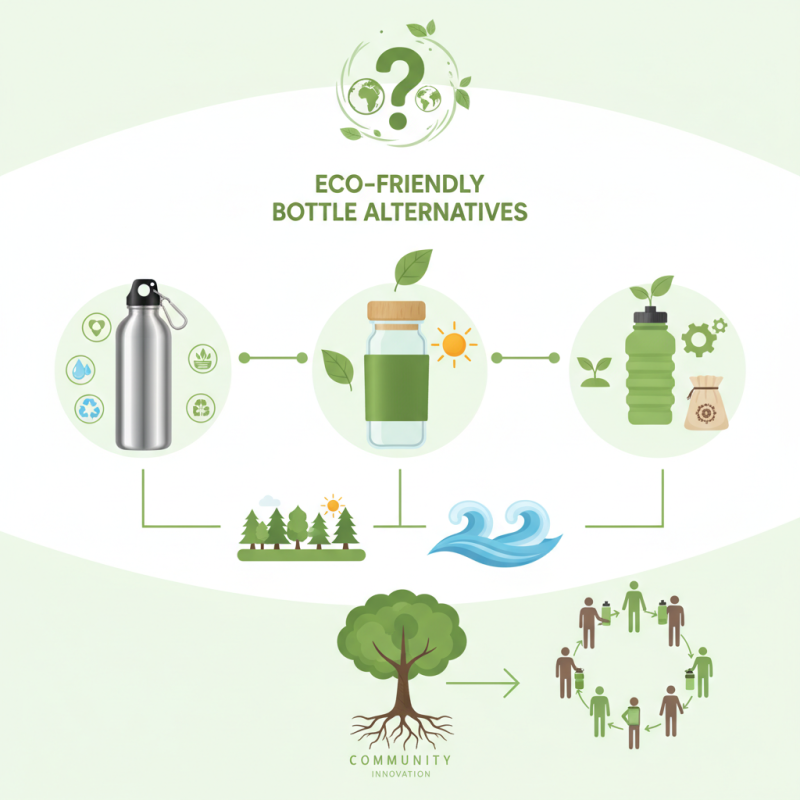
Plastic bottles are notorious for contributing to environmental pollution. Many are seeking eco-friendly alternatives. These options help reduce plastic waste and promote sustainability.
One popular choice is stainless steel. It’s durable and can keep beverages hot or cold for hours. With proper care, stainless steel lasts a long time. This reduces the need for frequent replacements. Glass is another viable option. Unlike plastic, glass does not leach harmful chemicals. It’s also recyclable and can be made from local materials, minimizing transportation emissions.
Despite their benefits, both stainless steel and glass have drawbacks. Stainless steel can be heavier than plastic, which may not appeal to everyone. Glass, while attractive, is fragile. Many people struggle with switching habits. The convenience of plastic is hard to give up. Acknowledging this challenge is crucial in the transition to greener choices.
Glass bottles offer several benefits over plastic. They are made from natural materials, making them a better choice for the environment. Glass is fully recyclable and can be reused many times without degrading its quality. This makes glass bottles a sustainable option for those seeking to reduce waste.
Using glass bottles can also enhance the drinking experience. They do not leach chemicals into beverages, which is a common concern with plastics. Many people appreciate the pure taste of water stored in glass. Additionally, glass is more durable than many think, although it requires careful handling. When compared to plastic, glass’s aesthetic appeal adds a touch of elegance to daily hydration.
However, glass bottles are heavier and can break easily. This might deter some from making the switch. Not everyone is ready to embrace this change, and it requires a shift in habits. It’s important to weigh these factors when considering eco-friendly alternatives. By using glass bottles, we take a step toward a more sustainable lifestyle, even if it presents some challenges.
The rise of environmental concerns has spotlighted the need for sustainable alternatives to plastic bottles. Reusable stainless steel bottles stand out due to their durability and safety features. According to a report by the National Institute of Health, stainless steel is non-toxic and does not leach harmful chemicals. This is crucial for health-conscious consumers who want safe hydration solutions.
Stainless steel bottles are designed to last for years, reducing waste. Studies show that using a stainless steel bottle can prevent hundreds of single-use plastics from ending up in landfills each year. Many models are insulated, keeping drinks hot or cold for extended periods. However, some users express concerns about the initial cost and weight of stainless steel compared to plastic.
Interestingly, the environmental impact of stainless steel production is significant. It requires energy and resources for manufacturing. This raises questions about the long-term sustainability of these materials. Despite that, stainless steel remains a preferable choice. Its recyclability is a major advantage. Unlike plastic, metal can be recycled repeatedly without degrading. Investing in a quality stainless steel bottle may present a shift in mindset towards a more sustainable lifestyle.
The rise of concern about plastic pollution has led many to seek eco-friendly alternatives. Biodegradable and compostable bottles present a promising solution. According to the Environmental Protection Agency, approximately 22 million tons of plastic waste end up in landfills each year. This statistic highlights the urgent need for sustainable options.
Biodegradable bottles break down naturally, reducing landfill waste. They can decompose in a matter of months under the right conditions. Research indicates that these materials might reduce greenhouse gas emissions by up to 68% compared to traditional plastics. However, not all biodegradable options deliver the same results. Some may only break down in industrial composting facilities, limiting their effectiveness in everyday use.
Compostable bottles, made from plant-based materials, offer an additional edge. They contribute to soil health when composted. Yet, the infrastructure for composting varies widely. In many areas, suitable facilities are scarce. This raises questions about accessibility and effectiveness, as not all consumers have options for proper disposal. Being eco-conscious requires discerning choices and understanding the limitations of available products.
The shift towards eco-friendly water packaging is imperative. Plastic bottles contribute significantly to environmental pollution. A recent report indicates that more than 300 million tons of plastic is produced annually, with a staggering 8 million tons ending up in oceans. It highlights the need for alternative solutions.
Innovations emerging in this space include biodegradable materials and reusable containers. Plant-based plastics, derived from cornstarch or sugarcane, can decompose within months under the right conditions. Research shows they can reduce carbon footprints by up to 80% compared to traditional plastics. However, not all biodegradable options are composted correctly, leading to unforeseen environmental impacts.
Glass bottles are another alternative gaining traction. They provide a sustainable solution but come with their own challenges, such as weight and breakability. According to industry studies, the lifecycle of glass contributes to lower carbon emissions when recycled properly. Nonetheless, the energy consumption during production remains a concern. These complexities highlight the ongoing need for innovation while weighing both environmental benefits and practical limitations.
: They are durable and do not leach harmful chemicals. They help reduce plastic waste significantly.
These bottles are designed to last for years with proper care. This longevity reduces overall waste.
Yes, they are non-toxic and safe for hydration. They do not release harmful substances into drinks.
Not all biodegradable bottles break down in regular conditions, affecting their waste reduction benefits.
They enrich soil when composted, which supports plant growth and reduces waste.
Composting infrastructure varies widely, limiting disposal options in many areas.
It requires energy and resources, raising questions about sustainability despite its recyclability.
Initial costs and weight compared to plastic can be significant concerns for users.
They can reduce emissions by up to 68% compared to traditional plastics when decomposed effectively.
It’s essential to understand the environmental impact and disposal methods of each option.
In recent years, the quest for sustainable living has led to the exploration of various eco-friendly options, prompting the question: "What are alternatives to plastic bottles?" This article reviews several innovative solutions, including glass bottles, which offer durability and a sustainable choice for consumers seeking to reduce their carbon footprint. Glass not only preserves the quality of beverages but also minimizes environmental impact.
Another viable alternative is reusable stainless steel bottles, recognized for their long-lasting design and safety features, making them ideal for everyday use. Additionally, biodegradable and compostable bottles provide a green solution, ensuring that waste breaks down naturally. The article also highlights emerging innovations in water packaging that extend beyond traditional bottles, further promoting eco-friendly practices and encouraging a shift towards sustainable alternatives.
