Bluesky Bottle Bluesky Bottle

2026 Top Safe Plastic Types for Everyday Use What to Choose?

Time:2026-06-01 Author:Mason
0%

Choosing the right plastic for everyday use is essential for health and safety. In our daily lives, we encounter different plastic types. However, not all plastics are created equal. Understanding what plastic types are safest for daily use can help us make informed decisions.

Many items we handle frequently, like water bottles and food containers, are made from various plastics. Some plastics can leach harmful chemicals, while others are safer alternatives. Research shows that certain plastics are better suited for food contact. Knowing the most reliable plastic types can equip consumers.

This guide will explore the top safe plastic types for 2026. We aim to highlight materials that pose less risk to our health. However, it is crucial to continually reassess our choices. The plastic industry is evolving, and so are our understanding and guidelines regarding safety. By staying informed, we can better protect ourselves and the environment.
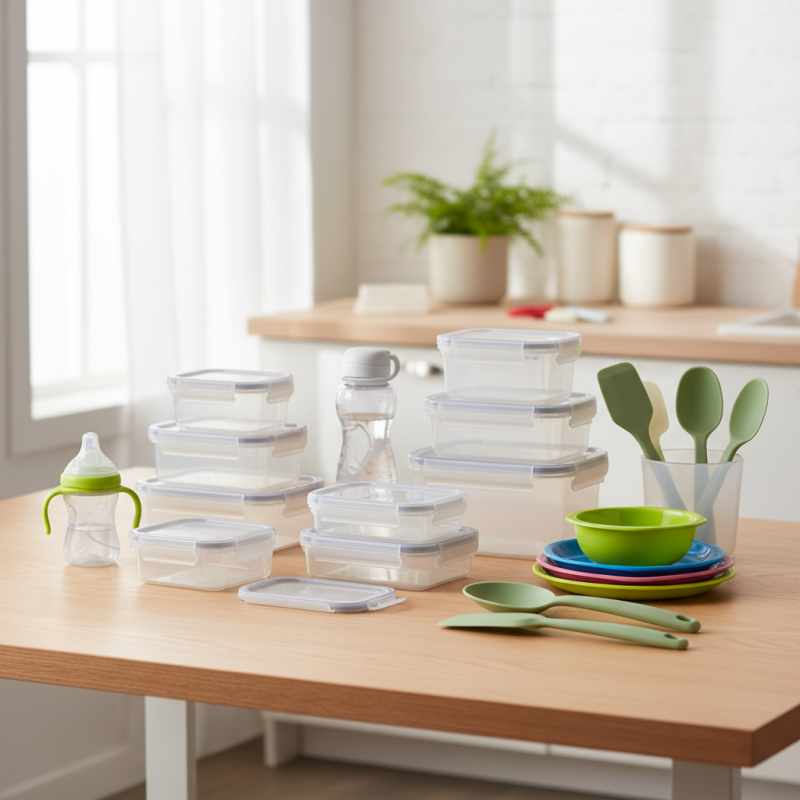
2026 Top Safe Plastic Types for Everyday Use What to Choose?

Understanding Plastic Safety: The Need for Safe Materials in Daily Life

In our daily lives, we often encounter various types of plastics. Understanding plastic safety is crucial for our health and the environment. Some plastics release harmful chemicals when heated or worn down. It’s vital to choose safer options daily, especially for food containers and children’s toys.

Common safe plastics include polyethylene (PE) and polypropylene (PP), known for their durability and non-toxicity. These materials do not leach harmful substances, even under stress. Yet, not all plastics labeled as "safe" are truly so. Always check recycling codes. Notably, the number inside the triangle on the bottom helps identify the type.

Even with safe choices, issues can arise. For instance, repeated use of single-use plastics can lead to degradation. Over time, this might release toxins. Awareness is key. Reducing reliance on plastics entirely is a long-term goal. Each step matters in creating a safer environment for everyone. Choose wisely!

2026 Top Safe Plastic Types for Everyday Use

Plastic Type Common Uses Safety Rating Recyclability
Polyethylene Terephthalate (PET) Bottles, Containers Safe 1
High-Density Polyethylene (HDPE) Milk Jugs, Juice Bottles Safe 2
Low-Density Polyethylene (LDPE) Grocery Bags, Squeeze Bottles Safe 4
Polypropylene (PP) Food Containers, Straws Safe 5
Polystyrene (PS) Disposable Cutlery, Plates Caution 6
Polycarbonate (PC) Reusable Water Bottles, Glasses Caution 7
Biodegradable Plastics Compostable Bags, Food Packaging Safe Varies

Common Types of Plastics: Identifying Safe Options for Everyday Use

When choosing safe plastics for everyday use, it's vital to recognize common types and their safety levels. Polyethylene terephthalate (PET) ranks high for food and beverage containers. This plastic is often seen in water bottles and yogurt containers. It's generally safe but can leach chemicals if exposed to heat or sunlight for too long. So, consider storage conditions.

Polypropylene (PP) is another popular option. Often used in containers, straws, and lids, this plastic is known for its durability. It withstands higher temperatures without releasing harmful substances. However, some processing methods can still raise concerns regarding its safety. Always check for the recycling symbol, as it indicates how the plastic was made.

Polylactic acid (PLA) is a biodegradable alternative. It's derived from plant materials, making it an eco-friendlier choice for disposable items. However, PLA might not be suitable for hot foods or liquids, as it can deform under heat. Informed choices about plastic types and their uses can significantly impact health and the environment. Always remain cautious and consider alternatives when necessary.

Features of Safe Plastics: What to Look for When Choosing Products

When choosing safe plastics, consider their features carefully. One key aspect is the type of plastic used. Look for materials recognized for safety, such as polypropylene (PP) and high-density polyethylene (HDPE). These types are more resistant to leaching harmful substances. Check the recycling codes on the bottom of the containers. Codes 1 (PET) and 2 (HDPE) are common and regarded as safer for food use.

Another essential feature is the presence of BPA or phthalates. Bisphenol A (BPA) can mimic hormones and disrupt bodily functions. While many manufacturers now produce BPA-free options, it's important to verify this claim. Be cautious with older plastic products, as they might still contain harmful additives. The age and wear of plastic can also affect safety; cracks or discoloration may indicate a potential hazard.

Lastly, consider how plastics are used in everyday items. For instance, reusable water bottles made from safe plastics are a great choice. However, be aware that heat can cause chemicals to leach out. Always follow care instructions to maintain their integrity. Reflect on how often you replace your plastic items. Regular reassessment is crucial to ensure that your choices align with health safety standards.

2026 Top Safe Plastic Types for Everyday Use

This chart illustrates the safety ratings of various plastic types commonly used in everyday products. A higher rating indicates a safer choice for consumers.

Environmental Impact: The Role of Safe Plastics in Sustainability

The role of safe plastics in sustainability is becoming increasingly significant. In 2021, the global plastic production reached about 367 million metric tons, reflecting a growing reliance on these materials. However, not all plastics are created equal. Certain types, like polyethylene terephthalate (PET) and polypropylene (PP), have been identified as safer options for everyday use. They are widely recycled, which can help reduce landfill waste.

The environmental impact of safe plastics is multifaceted. According to the Ellen MacArthur Foundation, only 9% of plastic waste is ever recycled efficiently. This highlights the need for better recycling technologies and public education. Using safe plastics can help improve this statistic. Yet, the challenge remains in ensuring that consumers understand which plastics are indeed safe.

There is also the concern of microplastics entering the ecosystem. Research indicates that they can be found in water sources and even in human bodies, raising health concerns.

Experts argue for a shift toward biodegradable alternatives, but the market is not yet fully developed. Currently, safe plastics provide a bridge while more sustainable materials gain traction. However, it’s crucial to remain aware of ongoing research and product innovation. Consumers must evaluate their choices and stay informed about the environmental impact of plastic use. The conversation around plastics is evolving, and awareness is vital for a sustainable future.

Best Practices: How to Properly Use and Dispose of Safe Plastics

When using safe plastics, proper practices are essential. Research reveals that nearly 90% of the plastic produced is never recycled. This alarming statistic highlights the need for better disposal methods. Consumers should prioritize recycling codes 1 (PETE) and 2 (HDPE) for everyday items. These plastics have well-established recycling processes and are considered safe for food contact.

For effective disposal, rinsing containers before recycling is vital. Leftover food can contaminate recyclables. According to the Environmental Protection Agency, contamination reduces recycling rates significantly. It’s recommended that consumers check local guidelines for specific recycling rules. A surprising 29% of Americans are unaware of what items are recyclable in their area. This knowledge gap can lead to improper disposal and environmental damage.

Using safe plastics means understanding their lifespan and disposal. Reusable containers can last years, but they also require care. Regularly inspect items for wear. Cracks and scratches can harbor bacteria. Although many plastics are labeled 'safe', user habits matter. Misuse can lead to health risks that outweigh the benefits of the material. A conscious commitment to proper use and disposal is essential for a sustainable future.

FAQS

: What types of plastics are considered safe for everyday use?

: Safe plastics include polyethylene (PE) and polypropylene (PP). These are durable and non-toxic.

How can I identify safe plastics?

Check the recycling codes on the bottom of containers. Codes 1 (PET) and 2 (HDPE) are generally safer.

Can all plastics labeled as “safe” be trusted?

Not all plastics labeled as safe are indeed safe. Always verify by checking for the recycling code.

What happens to single-use plastics when reused?

Repeated use of single-use plastics can cause degradation, potentially releasing harmful toxins over time.

Are BPA-free products always safe?

While many are BPA-free, older plastic products may still contain harmful additives. Always verify BPA-free claims.

What signs indicate that plastic items may be unsafe?

Cracks, discoloration, or wear on plastics can suggest potential hazards. Regular inspections are important.

How does heat affect the safety of plastics?

Heat can cause safe plastics to leach chemicals. Always follow care instructions to maintain their integrity.

Why is it important to reduce reliance on plastics?

Reducing plastic use contributes to health and environmental safety. Each small step can lead to significant change.

What should I consider when choosing reusable water bottles?

Ensure they are made from safe plastics and check for proper care instructions to prevent chemical leaching.

How often should I reassess my plastic items?

Regularly reassess your plastic containers and toys. Make sure they align with current health safety standards.

Conclusion

The article "2026 Top Safe Plastic Types for Everyday Use: What to Choose?" emphasizes the importance of selecting safe materials in our daily lives. It highlights that understanding plastic safety is crucial, given the prevalence of various plastic types. Readers are guided through common types of plastics, helping to identify what plastic types are safest for daily use. Key features to look for when choosing products include markings for recyclability and lower chemical leaching properties.

Furthermore, the article discusses the environmental impact of safe plastics in promoting sustainability and reducing waste. Best practices for the proper use and disposal of these plastics ensure that consumers can make informed choices, contributing to personal health and environmental well-being. By understanding these factors, individuals can better navigate their options for safe plastic usage in everyday scenarios.

Mason

Mason

Mason is a seasoned marketing professional with a deep expertise in the company's offerings and a passion for driving brand awareness. With a strong background in digital marketing strategies, he has an innate ability to connect with diverse audiences and effectively communicate product benefits.......